



























The Quiet East Corridor: Why Most Visitors Drive Straight Past
Nine out of ten travelers heading east out of Chiang Mai stop at Bo Sang's umbrella shops or push straight onward to San Kamphaeng Hot Springs and Mae Kampong mountain cabins. Very few turn off into the shaded lanes of Baan On Tai, roughly 35 to 45 minutes from town along the San Kamphaeng–Mae On heritage corridor.
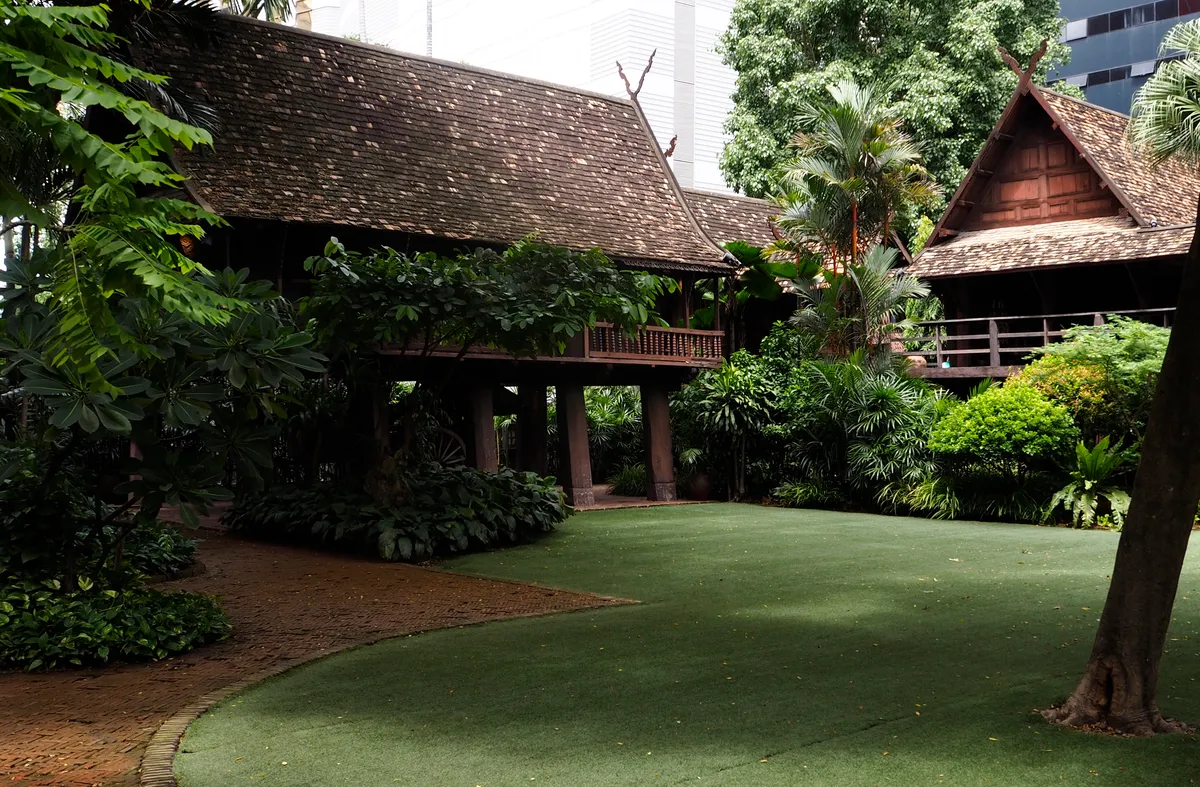
Out here, tourist billboards disappear behind longan orchards, mango groves, and weathered temple courtyards like Wat Chiang Saen and Wat On Tai. Walk slowly down those tree-lined lanes in cool morning air and you quickly notice how unhurried village life feels here. Beneath those peaceful orchard soils sleeps one of northern Thailand's greatest archaeological chapters: the 700-year-old San Kamphaeng ancient kiln complex.
700-Year-Old Celadon Kilns & How to Spot Authentic Ash Glaze
Between the 14th and 16th centuries, On Tai and neighboring valleys formed a major Lanna ceramic production belt. Archaeologists have documented dozens of cross-draft earthen kilns dug straight into gentle hillsides where potters fired stoneware jars, storage urns, and celadon bowls using local clay and natural wood-ash glazes.
When viewing the excavated kiln mounds and community learning displays, Uncle Kham always points out the small clay stacking rings and unglazed spur marks inside ancient bowls—clear evidence of how potters stacked dozens of dishes inside a single firing chamber. If you browse modern celadon teaware at workshops along the corridor afterward, turn a cup toward natural daylight: genuine wood-ash celadon carries a deep, translucent jade crackle beneath the surface rather than flat opaque factory paint.
Planning Your Chiang Mai Trip? Book Early for Lower Rates
Check real-time rates and secret deals on Agoda, our official travel partner. Enjoy 100% free cancellation, pay at check-in, and earn Agoda Cash rewards.
Natural Indigo Dyeing & Slow Orchards: Book Weekend Workshops Ahead
Beyond ceramic history, Baan On Tai is known for community-led natural indigo (hom/khram) tie-dye workshops, orchard walks during peak July–August longan harvest or cool winter mornings, tram rides linking heritage temples, and home-style Khantoke lunches. Here is the honest local caveat that saves a wasted drive: Baan On Tai is a living farming community, not a commercial theme park running workshops nonstop every weekday.
- Confirm Weekend Schedules & Book Ahead: Natural fermented indigo vats require daily tending and advance prep. Many community studios concentrate drop-in workshops on weekends or open specifically for groups who message ahead two or three days early.
- Spotting Real Fermented Indigo: Genuine botanical indigo carries a faint earthy, sweet-fermented aroma and builds layered navy depth through repeated dips, fading softly rather than bleeding neon dye onto your hands.
- Great Slow-Travel Pairings: Combine an unhurried morning here with an organic farm tour in Lamphun and Chiang Mai, or inspect contemporary natural-dyed textiles on Saturday and Sunday mornings at Jing Jai Market (JJ Market).
Transport Logistics & Planning Your East Loop
Because Baan On Tai's orchard lanes see virtually no passing public songthaews and evening ride-hailing pickups can be sparse, renting a car, scooter, or private driver for the day makes everything stress-free—you can easily add a coffee stop or San Kamphaeng Hot Springs down the road. Check vehicle options in our Chiang Mai transportation guide before booking.
If you want to contrast this rural cultural belt with an artsy urban enclave on another day, compare it with Baan Kang Wat Artist Village. Return toward town via Warorot Market for evening snacks and unwind near the water at one of our best riverside hotels along the Ping River.
Plan Your Chiang Mai Journey · Verified Booking Partners
Compare real-time rates for stays, curated day tours, flight tickets, and transport with best price guarantee and flexible cancellation: