



























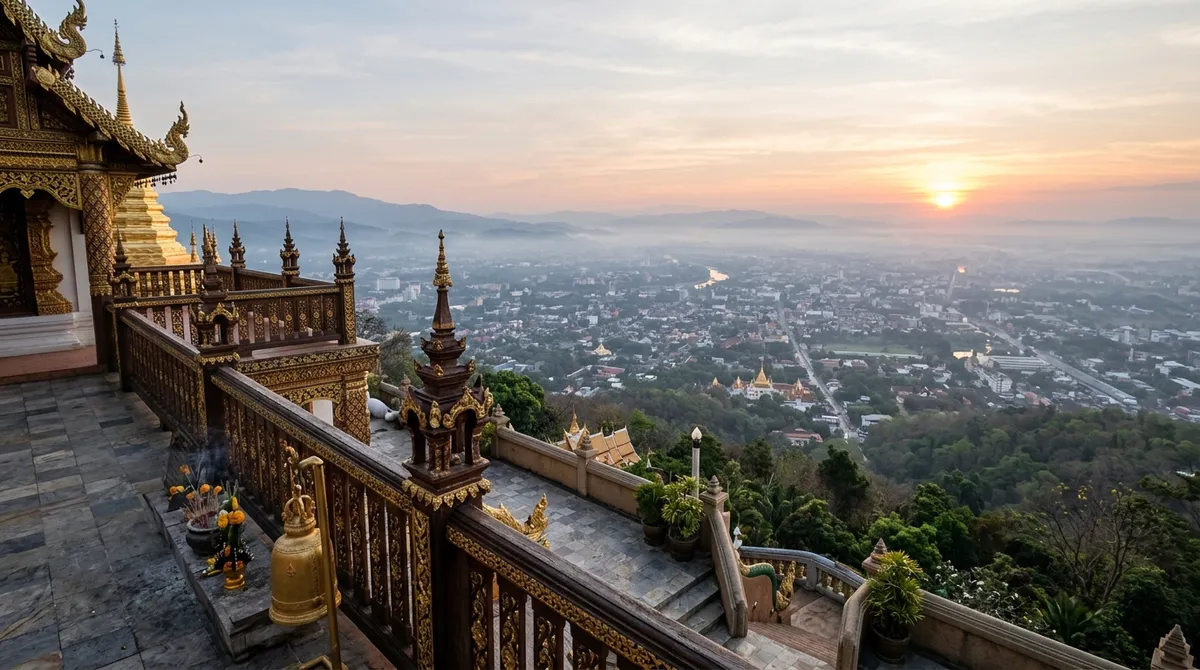
A warm welcome and deep reflections to all art aficionados, cultural seekers, and philosophical travelers. Today, Uncle Kham invites you north of downtown Chiang Rai into the peaceful sub-district of Nang Lae to explore an artistic monument of monumental gravitas: Baandam Museum (The Black House). Conceived and constructed across nearly four decades by the late National Artist Thawan Duchanee, this extraordinary complex is widely recognized as one of the most intellectually provocative architectural installations in Asia. While a meditative mountain walk along the Wat Pha Lat Monk Trail Sanctuary calms the emotions through gentle forest murmurs, Baandam challenges the intellect and awakens the spirit through visceral artistic power.
Artistic Vision & The Metaphysics of Black
Popular folklore often contrasts Wat Rong Khun (The White Temple) as "Heaven" and Baandam as "Hell". However, Master Thawan consistently dismissed such simplistic dualisms. Baandam was never conceived as an infernal underworld; rather, it was engineered as an uncompromising mirror reflecting the raw truths of human existence, mortality, and Buddhist philosophy.
Across more than 36 years, Thawan acquired land and personally designed over 40 distinct architectural pavilions spanning roughly 100 rai (40 acres). He chose black as his foundational aesthetic philosophy. For Thawan, black was neither sorrowful nor sinister; it represented the primordial cosmic void, supreme concentration, impenetrable silence, and the eternal crucible from which all visible colors and forms emerge.
Monumental Black Teak Architecture & The Grand Cathedral
Wandering through the estate’s shady groves, visitors discover dozens of wooden pavilions inspired by diverse regional forms: classical northern Thai Kalae gables, royal Shan reception halls, Tai Lue meeting huts, Khmer stone temples, and tribal stilt dwellings. Nearly every structure is built from massive reclaimed golden teak, ironwood, and tropical hardwoods, stained an enduring, resonant obsidian black.
The centerpiece of the museum is "The Grand Hall" (Maha Viharn). Rising beneath soaring, multi-tiered roof gables crowned with intricate carved finials, its vaulted cathedral-like interior commands stunned silence. Gigantic dark timber columns support massive beams. Stretching down the length of the hall are colossal banquet tables overlaid with enormous python skins, water buffalo skulls, and polished horns, accented by Thawan’s vigorous, sweeping ink-brush canvases celebrating animal vigor and instinct.
The architectural boldness here offers an earthy, primal contrast to the modern brick and wood geometry seen in urban boutique hubs like One Nimman Boutique Complex, reminding travelers that northern craftsmanship possesses deep, monumental roots.
Planning Your Chiang Mai Trip? Book Early for Lower Rates
Check real-time rates and secret deals on Agoda, our official travel partner. Enjoy 100% free cancellation, pay at check-in, and earn Agoda Cash rewards.
Collections of Horns, Bones & Meditations on Impermanence (Anicca)
What frequently captivates and challenges first-time visitors is Thawan’s immense collection of biological relics: bleached water buffalo horns, polished seashells, tortoise carapaces, crocodile hides, elephant tusks, and whale bones gathered from across the globe.
Uncle Kham encourages every traveler to contemplate these exhibits through the lens of Buddhist Marana-sati (mindfulness of mortality). These remains serve as potent reminders of Anicca (impermanence): no matter how fierce, majestic, or powerful a living creature may be in life, existence inevitably surrenders to decay and dust. Beholding these ancient skeletons urges us to abandon egotism, greed, and vanity, inspiring a humble reverence for the fragile cycle of breath.
Practical Visitor Information, Tickets & Advice from Uncle Kham
Baandam Museum is situated in Soi 1, Ban Mae Pla Krum, Nang Lae Sub-district, just 10 kilometers north of Chiang Rai city center along Highway 1 (the main thoroughfare toward Mae Sai). From Mae Fah Luang Chiang Rai International Airport, the drive takes barely 10 minutes. If you are starting your broader journey from Chiang Mai, review our detailed guide on Chiang Mai Airport Transit and Transfers to plan private vehicles or regional bus links efficiently.
To maximize your enjoyment, Uncle Kham offers these practical recommendations:
- Admission & Hours: Open daily from 09:00 AM to 05:00 PM without weekly holidays. General admission is 80 THB per person (free for children under 120 cm). Revenues are reinvested directly into ongoing conservation of the wooden halls and botanical gardens.
- Exploration Comfort: The museum is an open-air park setting. Bring a lightweight sun umbrella, wear comfortable walking shoes suitable for gravel pathways, and allocate at least 90 minutes to explore both major halls and tranquil woodland pavilions.
- Preservation Etiquette: Touching, stroking, or sitting on displayed skins, wooden thrones, and horns is strictly prohibited. These historical artifacts represent decades of irreplaceable artistic curation.
Outside the museum gates, roadside stalls sell refreshing organic Nang Lae and Phu Lae pineapples, famous across Thailand for their honeyed crunch. As you journey onward south through Lampang, stop by the historic market stalls of Kad Thung Kwian Highway Market, and pick up crispy pork cracklings and chili relish using our insider advice in the Nam Prik Num and Crackling Buying Guide.
Baandam Museum is a masterclass in philosophical art that continues to spark wonder across international visitors. Uncle Kham wishes you deep insights, peaceful contemplations, and safe travels along your northern exploration!
Plan Your Chiang Mai Journey · Verified Booking Partners
Compare real-time rates for stays, curated day tours, flight tickets, and transport with best price guarantee and flexible cancellation: