



























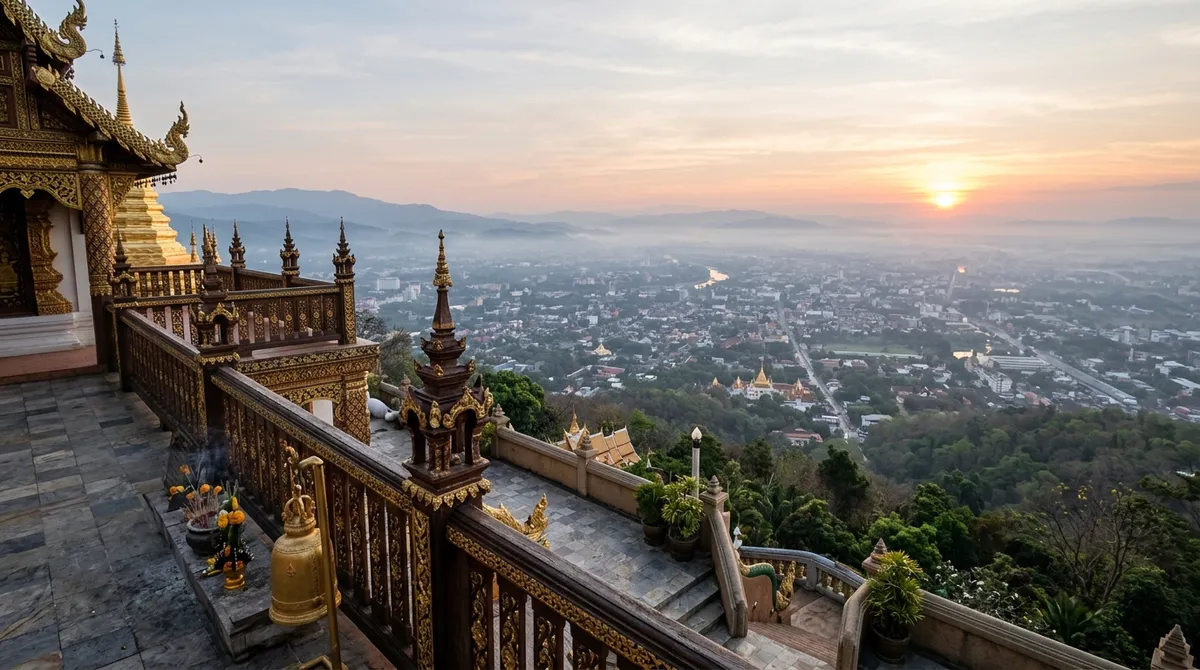
Dawn of Hmong Agro-Ecology: Origins of Mae Sa Mai Royal Project
Warmest greetings to all curious cultural travelers, eco-pioneers, and kindred spirits! I am Uncle Kham, your local elder and northern storytelling guide from Chiang Mai. Today, our journey takes us high into the mist-crowned ridgelines of Mae Rim District to visit one of the largest and most historic Hmong ethnic communities in Northern Thailand: the Mae Sa Mai Royal Project Development Center. This highland sanctuary stands as an extraordinary historical monument of social and ecological transformation—evolving from steep, eroded opium hillsides into an internationally recognized model of organic horticulture and watershed preservation.
Prior to 1982, Ban Mae Sa Mai was densely populated by Hmong families living along fragile mountain ridge tops. Extensive shifting slash-and-burn farming for opium poppy and upland corn had denuded the Mae Sa watershed forest canopy. During intense tropical monsoon rains, topsoil on 40-degree slopes washed down in devastating muddy torrents. His Majesty King Bhumibol Adulyadej The Great (King Rama IX) visited this remote mountain village, personally initiating the Mae Sa Mai Royal Project. His royal directive emphasized integrated soil and water conservation paired with high-value, cool-climate cash crops, enabling villagers to prosper sustainably without clearing additional virgin forests.
Through decades of dedicated collaboration between Hmong community elders and Royal Project agronomists, Mae Sa Mai has become a model highland agricultural cooperative. Eroded slopes have been anchored by deep-rooted vetiver contour hedgerows and stepped organic terraces, creating self-reliant hilltribe livelihoods. Exploring this community inspires deep appreciation for simplicity, harmony, and spiritual devotion, similar to visiting peaceful sacred temples within Chiang Mai’s historic moat such as Wat Umong Maha Therachan ancient temple in the Old City of Chiang Mai, where mindful reflection brings enduring inner peace.
Steep-Slope Organic Terraces & Vetiver Bio-Engineering
The defining scientific and agricultural achievement of Mae Sa Mai Royal Project is its mastery of steep-slope soil and water conservation bio-engineering. Because the terrain here features natural gradients between 30 and 45 degrees, farming without structural conservation would quickly wash away topsoil into the valley rivers.
Following King Rama IX's visionary royal initiative, farmers planted dense contour lines of Vetiver Grass (Ya Faek) along the mountain's natural elevation lines. The deep, massive fibrous root systems of vetiver penetrate three to four meters straight down into the earth like a living curtain, anchoring the subsoil, halting slope slippage, filtering runoff sediment, and driving rainwater deep into subterranean aquifers. Between these protective vetiver hedgerows flourish nutrient-rich terraced gardens.
Mae Sa Mai focuses on certified organic vegetables and Good Agricultural Practices (GAP), cultivating prized cold-climate crops including Brussels sprouts, heart cabbages, baby carrots, ruby beetroots, winter melon, sweet bell peppers, and hydroponic salad greens. Gazing down across these terraced rows contoured along mountain contours inspires profound respect for human dedication and agricultural prosperity. This spirit of seeking prosperity and abundance mirrors visiting sacred prosperity shrines in town such as Wat Duang Dee temple of good fortune and auspicious beginnings in central Chiang Mai, asking for auspicious success in all life endeavors.
Planning Your Chiang Mai Trip? Book Early for Lower Rates
Check real-time rates and secret deals on Agoda, our official travel partner. Enjoy 100% free cancellation, pay at check-in, and earn Agoda Cash rewards.
Hmong Heritage Museum & Ancient Beeswax Batik Textiles
Beyond agricultural innovations, Mae Sa Mai serves as a vital cultural bastion for the Hmong people, who have preserved ancient artisanal traditions through generations. Strolling through the mountain village brings you to the Ban Mae Sa Mai Hmong Cultural Museum, which showcases historical agricultural implements, hunting crossbows, bamboo Qeej (lusheng) reed pipes, and traditional silver-embroidered festival garments.
A must-visit cultural highlight is observing local master artisans practicing traditional beeswax batik (Batik Wax-Resist Dyeing) on handwoven natural hemp fabric. Skilled Hmong women use delicate copper-tipped pens (Tjanting) dipped into molten beeswax to draw intricate geometric ancestral patterns directly onto the cloth entirely freehand without pre-drawn guides. The fabric is then repeatedly dipped into natural indigo vats until saturated in deep midnight blue, before being boiled in hot water to melt away the wax, unveiling crisp ivory geometric motifs against the rich indigo ground.
Alongside batik, the village is renowned for intricate cross-stitch embroidery in vibrant fluorescent silks and hand-hammered silver jewelry, including torc necklaces, engraved arm cuffs, and tinkling silver earrings. Travelers can purchase these wearable heirlooms directly from the makers. Experiencing this living cultural prosperity evokes the spiritual quest for fortune celebrated at Wat Muen Ngoen Kong temple of wealth and financial abundance in Chiang Mai, where devotees pray for steady fortune and sustainable blessings.
Uncle Kham's Field Advice: Steep Driving Techniques & Village Etiquette
Visiting Mae Sa Mai Royal Project involves navigating steep mountain terrain that demands full driver attention and cultural respect. Here are Uncle Kham’s vital guidelines for an enjoyable journey:
- Mastering the Mountain Ascent: From Highway 1096 (Mae Rim-Samoeng), turn onto the access road at Ban Mae Sa Kao to climb 6 kilometers uphill to Ban Mae Sa Mai. The road is fully paved in concrete but is narrow, very steep, and features sharp blind hairpins. Choose a high-torque vehicle (pickup truck, high-clearance SUV, or modern crossover with 1.5L+ engine). Maintain low gear (1 or L) during both ascent and descent to utilize engine compression, and tap your horn gently before blind switchbacks.
- Respectful Cultural Etiquette: The Hmong maintain deep animist reverence for ancestral spirits. Walk quietly through residential lanes, dress respectfully covering shoulders and knees, and always ask politely with a warm smile before taking close-up portraits of villagers, particularly tribal elders and small children.
- Sequencing Your Day Trip: After descending from Mae Sa Mai in the afternoon, complete your day with a peaceful golden-hour stroll along the shores of Ang Kaew Reservoir at Chiang Mai University for sunset breezes and student Yi Peng vibes. And if you wish to explore northern heritage further on subsequent days, enjoy a relaxing excursion along the Lamphun ancient city wall and sacred temple bicycle heritage tour just south of Chiang Mai.
- Empowering Highland Artisans: Stop by the community handicraft cooperative to purchase authentic indigo hemp batiks, embroidered shoulder bags, and GAP-certified highland vegetables. Buying directly from village artisans ensures that tourism revenue directly funds children's schooling and community health in Mae Sa Mai.
May your journey to Mae Sa Mai Royal Project in Mae Rim reward you with green terrace vistas, fascinating batik artistry, and deep reverence for the resilient spirit of our highland mountain communities. Drive safely, travel with mindfulness, and keep northern warmth in your heart. Until our paths cross again, Sawasdee krub!
Plan Your Chiang Mai Journey · Verified Booking Partners
Compare real-time rates for stays, curated day tours, flight tickets, and transport with best price guarantee and flexible cancellation: