



























Wat Umong Forest Monastery: 700 Years of Subterranean Meditation & Woodland Truths
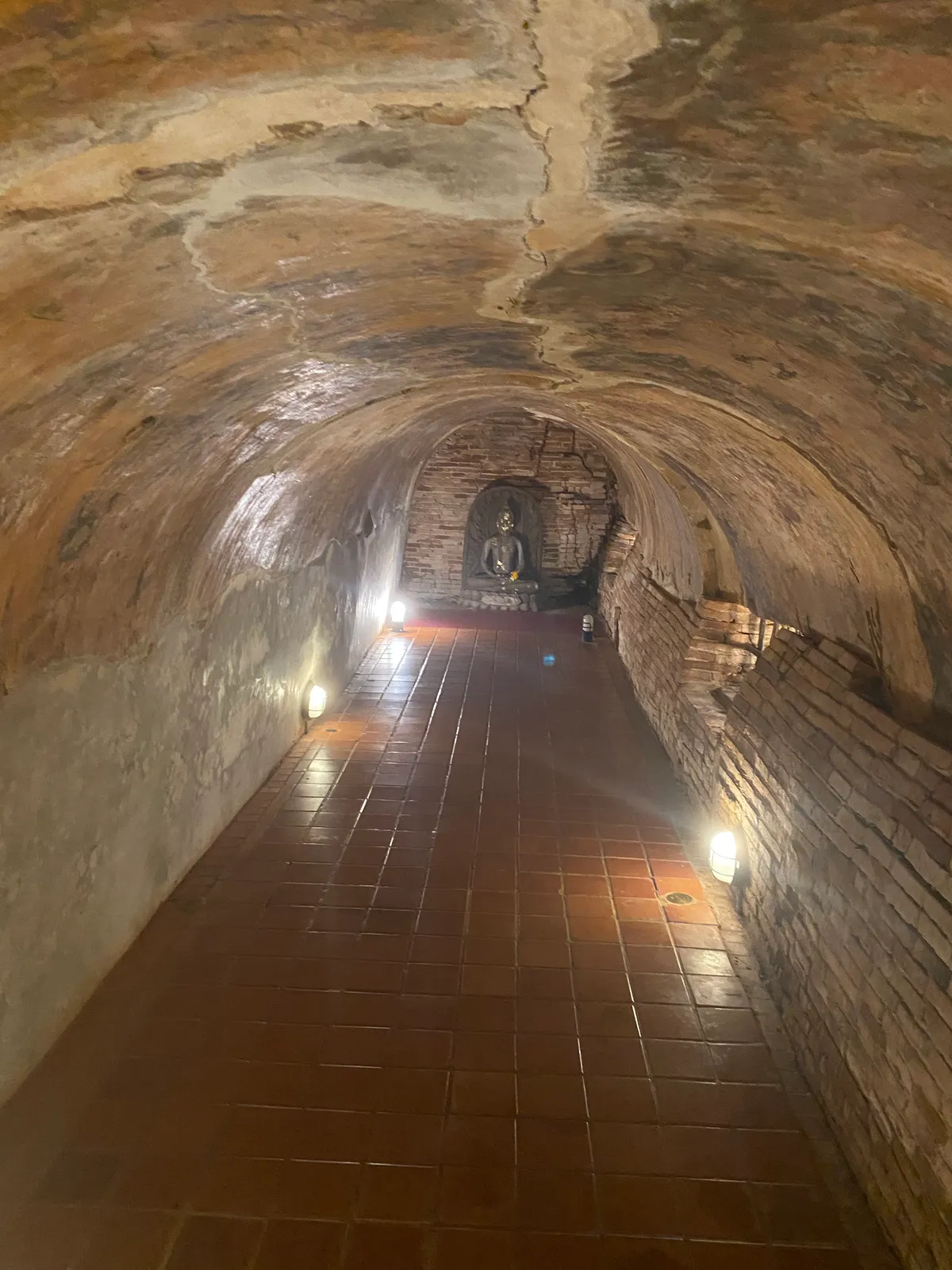
Sawatdee krub! I am Uncle Kham, your local elder and neighbor from Chiang Mai. Today, let us step into the shaded forest enclave of Wat Umong Suan Phutthatham (วัดอุโมงค์ สวนพุทธธรรม), an ancient woodland monastery nestled peacefully at the southern foot of Doi Suthep, just behind Chiang Mai University. Unlike the glimmering gilded halls and mirrored mosaics of inner-city temples, Wat Umong charms visitors with its organic antiquity: ancient brick tunnels blanketed in velvety moss, giant indigenous banyan trees, and subterranean arched meditation chambers commissioned over seven centuries ago to offer meditating ascetics utter tranquility from worldly distraction.
Lanna royal chronicles record that Wat Umong was established around 1297 AD by King Mangrai the Great, the revered founder of Chiang Mai. The king erected this forest sanctuary for Phra Maha Thera Chan, an exceptionally learned Buddhist monk who preferred solitary meditation in nature over royal court pageantry. To accommodate the monk’s quiet practice, King Mangrai had builders burrow deep tunnels through a forested hillside, lining the chambers with baked clay bricks to create a serene sanctuary. Later in the 14th century, King Kue Na restored the tunnels and commissioned exquisite murals celebrating Buddhist cosmology upon their vaulted brick ceilings.
For modern travelers seeking mental balance after browsing bustling Nimman’s specialty coffee cafes or experiencing our city’s rich Chiang Mai coffee and slow-life culture, an unhurried morning spent wandering the shaded forest trails of Wat Umong offers deep restorative solace.
Underground Brick Architecture, Ancient Murals & Sacred Altars
Descending into the subterranean chambers, you are immediately struck by a refreshing drop in ambient temperature. The heavy surrounding earth and thick antique masonry naturally air-condition the interiors year-round. The underground complex features a network of interconnected corridors:
- Buddha Meditation Niches: At the terminus of each tunnel aisle, arched brick recesses enshrine ancient bronze and sandstone Buddha statues seated in meditation (dhyana mudra). Devotees gather here to light incense, chant softly, and practice silent mindfulness.
- Historic Lanna Wall Frescoes: Though centuries of humidity have weathered the pigments, keen observers can still trace faded remnants of 14th-century tempera frescoes depicting sacred lotus blossoms, dancing peacocks, and mythical woodland animals across the vaulted ceilings.
- Ancient Ventilation Shafts: Brick ventilation shafts pierce straight up from the ceiling vaults into the earthen hill above, ensuring continuous airflow and gentle shafts of natural ambient daylight.
Planning Your Chiang Mai Trip? Book Early for Lower Rates
Check real-time rates and secret deals on Agoda, our official travel partner. Enjoy 100% free cancellation, pay at check-in, and earn Agoda Cash rewards.
The 700-Year-Old Stupa & The Relic Graveyard of Broken Buddhas
Ascending the mossy earthen stairway flanking the tunnels brings you to the hill summit, where rises a magnificent 700-year-old bell-shaped stupa. Exhibiting distinctive Lanna architecture infused with Burmese Bagan and Sukhothai elements, the weathered brick pagoda towers serenely above the tree canopy, its crevices carpeted in soft ferns and wild orchids.
Nearby across the forest floor lies the profoundly moving Relic Garden of Ancient Buddhas. Over several decades, damaged sandstone Buddha heads, torsos, and pedestals salvaged from abandoned temples across northern provinces were reverently placed beneath sprawling ficus roots. Walking past these weathered, moss-draped relic fragments serves as an eloquent meditation on Anicca—the universal Buddhist truth of impermanence and the passage of time.
The Fish Sanctuary Lake, Deer Park & Forest Proverbs
Beyond its monastic monuments, Wat Umong functions as a living Suan Phutthatham (Garden of Dhamma) and animal sanctuary. Deep in the forest grove lies a broad freshwater lake where wild ducks, giant Mekong catfish, carp, and turtles thrive in protected waters. Visitors can purchase modest bags of feed pellets from charity stalls to feed the aquatic creatures from wooden viewing platforms.
Along the winding stone pathways, you will encounter the monastery’s semi-wild deer enclosure, as well as mature teak trees bearing wooden boards inscribed with Buddhist proverbs in both Thai and English. Maxims like "Real happiness is found in contentment, not accumulation" inspire thoughtful reflection during walking meditation.
Monastery Etiquette, Dress Codes & Mindful Conduct
To ensure your visit is spiritually rewarding and respectful, Uncle Kham asks all visitors to uphold these customary standards:
- Modest Temple Attire: As with visiting the upper mountain temples featured in Doi Suthep temple hopping, wear clothing that fully covers shoulders and knees. Avoid low-cut shirts, tank tops, and short skirts.
- Remove Shoes at Tunnel Entrances: Place your footwear neatly on the designated wooden shoe racks outside the tunnel portals before entering barefoot onto the sacred brick floors.
- No Camera Flashes or Loud Voices: While photography is permitted, keep camera flashes disabled out of respect for monks and practitioners meditating inside the niches. Keep voices hushed.
- Protect the Forest Sanctum: Dispose of all trash in designated bins and treat the resident animals with gentleness.
“True inner stillness does not require complete outer silence; it is the quiet capacity of the heart to listen to the whispers of nature and Dharma.” — Uncle Kham's Gentle Wisdom
After your contemplative pilgrimage through Wat Umong, take a brief 10-minute drive over to the scenic promenade of Ang Kaew Reservoir at CMU to watch the sunset paint the western mountain slopes in hues of amber and rose.
Plan Your Chiang Mai Journey · Verified Booking Partners
Compare real-time rates for stays, curated day tours, flight tickets, and transport with best price guarantee and flexible cancellation: