



























Ban Pok: The Quiet Headwater Sanctuary of Mae On Valley
When travelers plan trips through Mae On district, the picturesque hamlet of Mae Kampong often steals the spotlight. Yet, if you continue ascending winding mountain roads just a few kilometers further into the dense primary cloud forest, you will uncover Ban Pok. Tucked peacefully at an elevation of 1,000 to 1,200 meters above sea level in Huay Kaew sub-district, this serene mountain community preserves authentic, unhurried Lanna highland village rhythms.
Local elder Uncle Kham holds deep affection for Ban Pok. Encircled by ancient wild tea groves (Miang), giant native oaks, and aromatic wild cinnamon trees, the village enjoys crisp alpine temperatures averaging 12°C to 18°C during winter months. The rich forest floor, formed by centuries of decomposing leaf litter and nourished by pure mountain streams, provides the ideal terroir for producing some of Thailand’s most prized Specialty Arabica Coffee.
Before ascending into Mae On's upper valleys, Uncle Kham advises travelers to explore world-class regional art at the MAIIAM Contemporary Art Museum, witness master umbrella craftsmen at Bo Sang Umbrella Handicraft Village, and tour cold-climate research nurseries at the Teen Tok Royal Project Center.
The Red Cherry Arabica Harvest (November – February): Selective Hand-Picking
The most exhilarating season to experience Ban Pok is between November and late February, when Arabica shrubs cultivated beneath the jungle canopy ripen. Glossy clusters of green coffee berries transform into vibrant crimson red cherries, glowing like jewels amidst dark forest foliage.
What elevates Ban Pok coffee into elite specialty grading is the community's refusal to strip-pick branches mechanically. Instead, farmers practice selective hand-picking, inspecting every branch to harvest only fully ripe cherries boasting peak natural sugar levels (Brix). Under-ripe green or yellow berries are left on the bush to mature for subsequent harvesting passes.
Visitors exploring during this magical window can strap on woven bamboo harvest baskets alongside local growers, step beneath jungle shade trees, and experience picking coffee cherries firsthand, sampling the sweet, gelatinous pulp surrounding the seeds.
Planning Your Chiang Mai Trip? Book Early for Lower Rates
Check real-time rates and secret deals on Agoda, our official travel partner. Enjoy 100% free cancellation, pay at check-in, and earn Agoda Cash rewards.
Artisanal Processing: Washed, Honey, and Natural Drying in Cold Highland Air
Once harvested, Uncle Kham guides guests to the Ban Pok Community Wet Mill & Drying Station, which channels icy mountain spring water into artisanal post-harvest processing. The harvest is crafted using three distinct methods:
- Washed Process: Cherries are pulped, soaked in cold spring water to dissolve fruit pectin, and washed sparkling clean. This yields bright, clean coffees with delicate jasmine florals and lively citrus acidity.
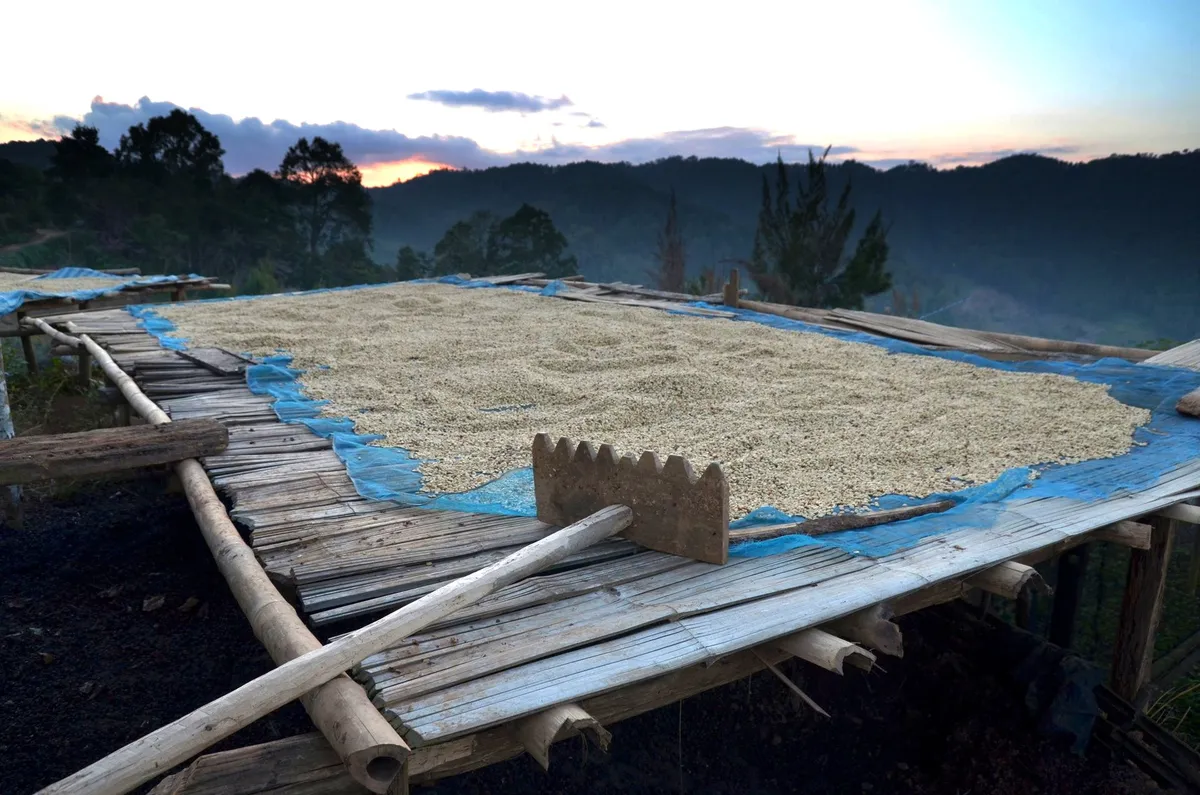
- Honey Process: Cherries are depulped while retaining sticky golden fruit mucilage, then spread thinly over raised bamboo mesh drying beds. The seeds slowly absorb natural sugars as they dry in the mountain breeze, developing round body and deep notes of honey and roasted hazelnuts.
- Natural (Dry) Process: Whole cherries dry intact in the highland sunshine for 15 to 20 days. Controlled micro-fermentation imparts intoxicating aromas of ripe stone fruits, dark berries, and subtle wine-like sweetness.
Once dried to optimal moisture levels, the parchment rests in humidity-controlled mountain storehouses before heading to premier artisan cafes across Nimman Chiang Mai Cafes, where Ban Pok single origins are celebrated for pour-over precision brewing.
Riverside Pour-Over Brewing and 2026 Travel Logistics
Few travel experiences compare to sitting beside the crystal boulder streams of Ban Pok, slowly pouring hot spring water over freshly hand-ground beans while forest birds sing in the canopy. Several community homestays and rustic micro-roasteries offer hands-on workshops where you can roast parchment over charcoal in clay pots, grind the roasted beans manually, and brew pour-overs dialed to precise water temperatures.
To reach Ban Pok from central Chiang Mai, take Highway 1317 east toward Mae On, passing Teen Tok Royal Project and Mae Kampong before ascending the final 4 kilometers uphill. The paved concrete roadway is narrow with several steep switchbacks; maintain low gears (L or D2) and sound your horn lightly before blind curves.
After immersing yourself in high-altitude coffee culture, journey back down into the city to explore ancient teak viharns and monastic history highlighted in our Chiang Mai Old City Guide, enjoying a deeply fulfilling fusion of nature, agriculture, and culture.
Ban Pok Coffee Village Quick Reference 2026–2027
| Topic | Key Information | Uncle Kham's Local Tip |
|---|---|---|
| Harvest Season | November – February (Winter Peak) | December and January offer the densest red cherry clusters on the trees. |
| Elevation | 1,000 – 1,200 meters above sea level | Crisp temperatures year-round; pack warm sweaters and rain-resistant windbreakers. |
| Signature Activities | Coffee cherry harvesting, clay-pot roasting, pour-over tastings, eco-homestays | Contact village homestay cooperatives ahead of time to arrange guided farm walks. |
| Driving Advice | Paved mountain road with steep grades; manual/low-gear vehicles recommended | Confident mountain driving skills required; alternatively, charter a local songthaew. |
Plan Your Chiang Mai Journey · Verified Booking Partners
Compare real-time rates for stays, curated day tours, flight tickets, and transport with best price guarantee and flexible cancellation: