



























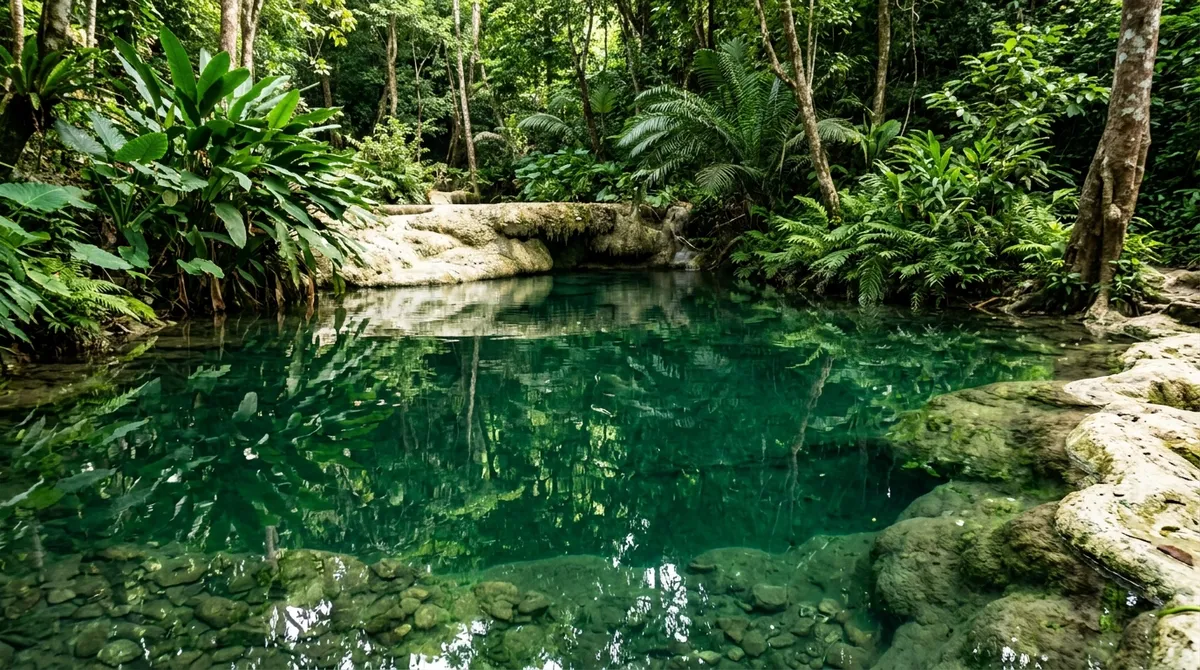
Welcome to Ban Yang Pu To Hot Springs: Chiang Dao's Authentic Geothermal Oasis
Sawatdee krub! I am Uncle Kham, your seasoned local elder from Chiang Mai. Today, I am taking you on a scenic journey north toward the towering limestone peaks of Chiang Dao. After hours of winding mountain roads or strenuous treks along misty highland ridges, there is no greater gift for aching muscles than immersing yourself in natural mineral-rich hot springs. Tucked away under lush tropical canopy beside a babbling brook lies Ban Yang Pu To Hot Springs (บ่อน้ำพุร้อนบ้านยางปู่โต๊ะ). This is not an overpriced luxury resort spa with polished marble and attendants; it is a genuine, heart-warming community bathing sanctuary built and cherished by local villagers, open to all respectful visitors free of charge.
Located in the peaceful rural pocket of Chiang Dao district, Ban Yang Pu To harnesses geothermal thermal water gushing naturally from deep underground at temperatures ranging between 40°C and 50°C. For decades, the village community has ingeniously diverted this clean, restorative mineral stream through large circular concrete tubs arranged along the grassy banks of the Mae Na stream. The cold mountain brook flows right beside the hot pools, creating an enchanting setting where hot mineral vapor gently mingles with cool jungle breezes.
If your northern journey includes outdoor highlights such as climbing the mineral ledges of Bua Tong Sticky Waterfalls or embarking on diverse adventure and nature activities across Chiang Mai, making a peaceful stopover at Ban Yang Pu To offers the ideal restorative counterbalance. Let Uncle Kham guide you through the local customs, tub temperatures, and etiquette so that you enjoy every relaxing minute while honoring village traditions.
Concrete Tub Design, Temperature Gradients & The Cold River Setting
What makes Ban Yang Pu To genuinely charming is its ingenious rustic setup. Rather than artificial tiled pools, the village elders arranged large cylindrical concrete culverts—measuring roughly 1 to 2 meters across—securely along the earthen stream banks. The natural thermal water enters the uppermost pools first and then cascades down into subsequent tubs, creating a natural gradient of bathing temperatures suited for different preferences:
- Headwater Tubs (~45 - 50°C): The hottest pools near the inflow pipe. These are ideal for scooping water over shoulders or soaking feet to invigorate circulation. Do not jump straight in for a full-body dip, as the heat can be intense.
- Optimal Soaking Tubs (~38 - 42°C): The traveler's sweet spot. Here, the mineral water has aerated slightly, offering soothing warmth that penetrates deep tissue, eases lumbar tension, and melts joint stiffness.
- Downstream Tubs (~35 - 37°C): Mild and comforting, matching natural body temperature. Perfect for children, seniors, or those easing into hot spring therapy for the first time.
- Mae Na Natural Cold Stream: Merely two steps away from the tubs, this crystal-clear river carries crisp runoff straight from high mountain ridges. You can dip your toes into the cold current immediately after stepping out of the thermal water.
Surrounded by giant bamboo clusters, wild ferns, and birdsong echoing from the jungle canopy, resting in these rustic tubs provides an earthy grounding experience that no modern indoor whirlpool can duplicate.
Planning Your Chiang Mai Trip? Book Early for Lower Rates
Check real-time rates and secret deals on Agoda, our official travel partner. Enjoy 100% free cancellation, pay at check-in, and earn Agoda Cash rewards.
Essential Village Etiquette & Modest Bathing Rules
Because Ban Yang Pu To is an active community space shared with local elders and families, mutual respect and mindfulness are paramount. As Uncle Kham always reminds my visiting friends, Lanna culture values gentleness and modesty above all. Please take note of these golden guidelines before stepping toward the tubs:
“The true beauty of village life endures when we treat local customs with deep reverence. Dress modestly, speak gently, and you will be embraced like cherished family.” — Uncle Kham's Gentle Wisdom
To ensure a pleasant and hygienic experience for everyone, kindly adhere to these practical rules:
- Rinse Before Submerging: Cleanliness is sacred. Handheld plastic scoops and freshwater taps are provided beside the bathing area. Always rinse your feet, legs, and body thoroughly before entering any communal tub.
- Dress Conservatively: Skimpy bikinis, string swimsuits, and speedos are strictly unacceptable in this conservative rural setting. Please wear dark cotton T-shirts and knee-length shorts, or a traditional sarong wrap (pha thung).
- Zero Soap or Shampoos in the Springs: The runoff from these pools drains directly into the river habitat. Never bring chemical cleansers, body washes, or facial scrubs into the tubs.
- Maintain a Peaceful Atmosphere: People visit these springs for quiet meditation and holistic healing. Please speak softly and keep Bluetooth speakers turned off.
- Pack Out All Personal Rubbish: Carry away every plastic wrapper, bottle, or scrap you bring in. Keep the forest spotless.
Uncle Kham's Contrast Bath Therapy Technique (Hot & Cold Flow)
Have you ever experienced natural contrast hydrotherapy? At Ban Yang Pu To, mother nature has arranged the ultimate circuit: hot mineral water on one side and an icy mountain stream on the other. Alternating between warm geothermal minerals and cold river currents promotes vasodilation, stimulates the lymphatic system, flushes lactic acid, and leaves your skin feeling invigorated.
Here is Uncle Kham's time-tested sequence for maximum rejuvenation:
- Step 1 Acclimatization: Sit comfortably on the tub rim. Use a scoop to splash warm mineral water across your calves, thighs, and arms for 2 minutes to let your circulation adapt gently.
- Step 2 Warm Immersion: Lower yourself into the medium-temperature tub (around 40°C) up to chest level. Breathe deeply and soak for 8 to 10 minutes until you feel a gentle bead of perspiration on your brow.
- Step 3 Cold Stream Dip: Step out carefully and walk down into the cool Mae Na stream. Submerge your legs or wade up to your waist for 60 to 90 seconds. The crisp chill will instantly close your pores and stimulate blood flow.
- Step 4 Rest and Repeat: Complete 2 to 3 gentle cycles. Afterwards, sit quietly under the shade of the trees and drink generous amounts of fresh drinking water to rehydrate.
If you are exploring the north on a curated journey such as our Chiang Mai 3-day local itinerary, stopping here during your journey between Chiang Dao caves and Doi Ang Khang provides the ultimate physical recharge.
Directions, On-Site Amenities & Best Visiting Windows
Reaching Ban Yang Pu To from Chiang Mai city center is straightforward. Drive north along Highway 107 through Mae Rim and Mae Taeng into Chiang Dao district (approximately 75 kilometers, or a 90-minute drive). Once entering Chiang Dao town, follow local rural signage toward Ban Yang Pu To village. The final approach traverses a paved country road passing tranquil cornfields and orchards, suitable for motorbikes, sedans, and rental vans alike.
On-site facilities are intentionally rustic. You will find basic changing cubicles, simple restrooms, and covered bamboo pavilions where you can place daypacks. While entry is completely free with no ticket counter, Uncle Kham warmly urges everyone to drop 20 to 50 THB into the community donation box. These small contributions directly fund maintenance supplies and reward the village elders who sweep the leaves and scrub the tubs clean each week.
Before hitting the road, consult our guide on the best time to visit Chiang Mai. Winter months from November through February bring crisp morning temperatures of 14°C to 18°C, making the morning steam rising off the jungle tubs an unforgettable spectacle. Pack a towel, slip on modest clothes, and come soak in the generous warmth of Chiang Dao's community spirit.
Plan Your Chiang Mai Journey · Verified Booking Partners
Compare real-time rates for stays, curated day tours, flight tickets, and transport with best price guarantee and flexible cancellation: