







Chapter 11: The Epilogue of Chotikaram: Seven Supreme Patriarchs of Lanna, the Forest Tradition Pantheon, and the 2003 Vihara Consecration
Chapter 11: Epilogue of Chotikaram: Seven Supreme Patriarchs of Lanna, the Forest Arahants crucible, and the 2003 Vihara Buraphachan dedication.
The Imperial Seat of Seven Lanna Supreme Patriarchs
The concluding treatise, "Chotikaram Revealed," synthesizes the monumental six-century legacy of Wat Chedi Luang Worawihan. During the golden zenith of the Mangrai Dynasty (1391–1558 CE), this sanctuary served not merely as the civic navel of Chiang Mai, but as an imperial vault of metaphysical and canonical sciences, boasting two expansive scriptural libraries (Ho Trai). Most profoundly, it functioned as the official patriarchal residence for seven successive Supreme Patriarchs (Somdet Phra Mahaswami) of the medieval Kingdom of Lanna:
- Phra Mahaswami Narayariyaka
- Phra Maha Nanda Devoswami
- Phra Maha Nyanavilasa Swami
- Phra Maha Nyanapandita Swami
- Phra Maha Ussavangsa Mahaswami
- Phra Maha Nanda Devoswami (the Second)
- Phra Maha Saddhammakitti Mahaswami
Housing the supreme pontiffs across seven royal generations confirms that classical Wat Chotikaram was the uncontested ecumenical capital of Theravada monasticism in Northern Thailand.
The Crucible of Forest Arahants in the Modern Era
With the dawn of the 20th century, following the arrival of Phra Upali Gunupamacariya (Jan Siricando) and Phra Acharn Mun Phuritatto in 1928, Wat Chedi Luang transformed into the supreme incubator of the modern Thai Forest Tradition (Kammatthana) in Northern Thailand. The most luminous meditation masters venerated across modern Southeast Asia resided, meditated, or underwent formal re-ordination within the boundary markers (Sima) of this monastery:
- Luang Pu Waen Sujinno and Luang Pu Tue Acaladhammo: The two iconic northern hermits were formally re-ordained into the reformed Dhammayut fraternity within Wat Chedi Luang’s Uposatha, under the personal preceptorship of Chao Khun Upali.
- Luang Pu Thet Thesragsi, Luang Pu Lee Dhammadharo, and Luang Pu Sim Buddhacaro: Each dwelt in ascetic contemplation within the rustic Kuti Thanthakhet and adjacent quarters before fanning out to found renowned mountain hermitages across the northern highlands.
- Luang Ta Maha Bua Nanasampanno: Mastered the advanced Pali curricula and passed his ecclesiastical examinations within this exact monastic academy in 1941.
7 November 2003: The Consecration of Vihara Buraphachan
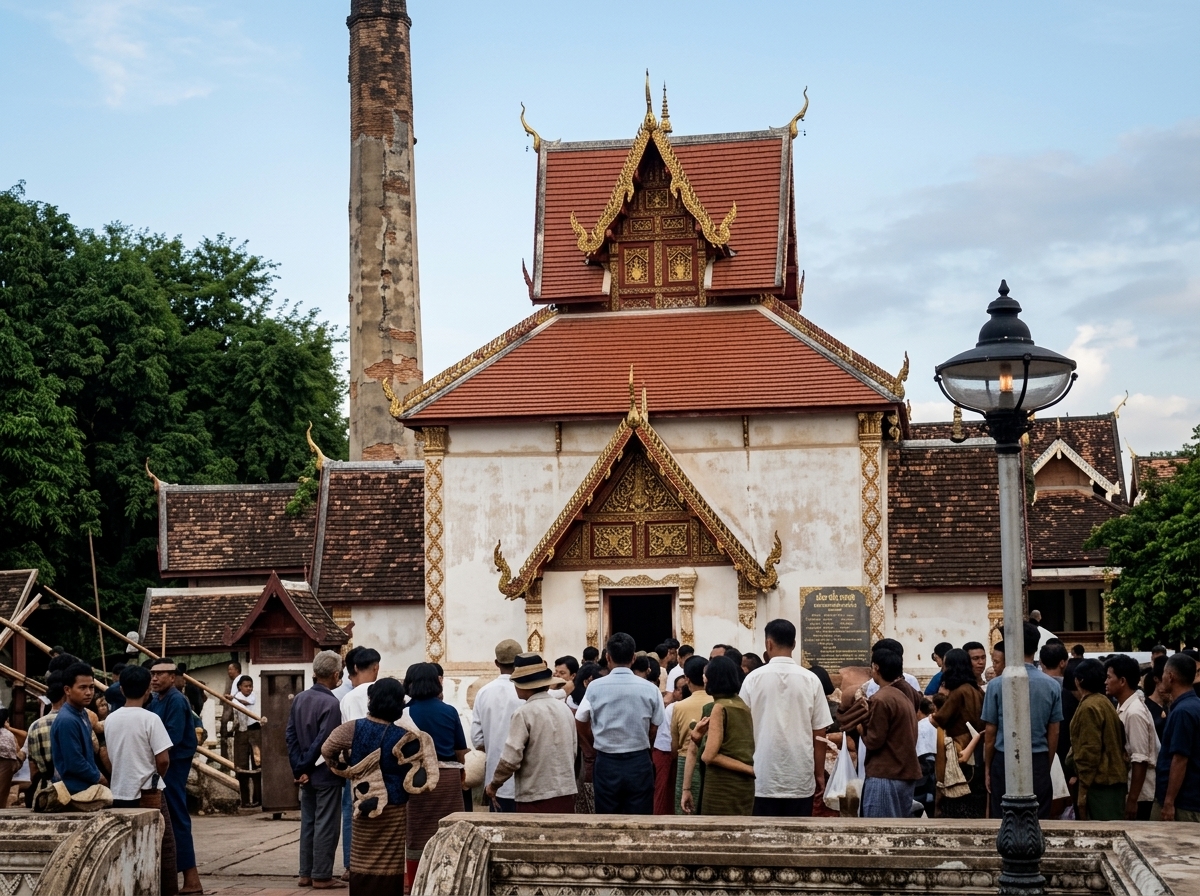
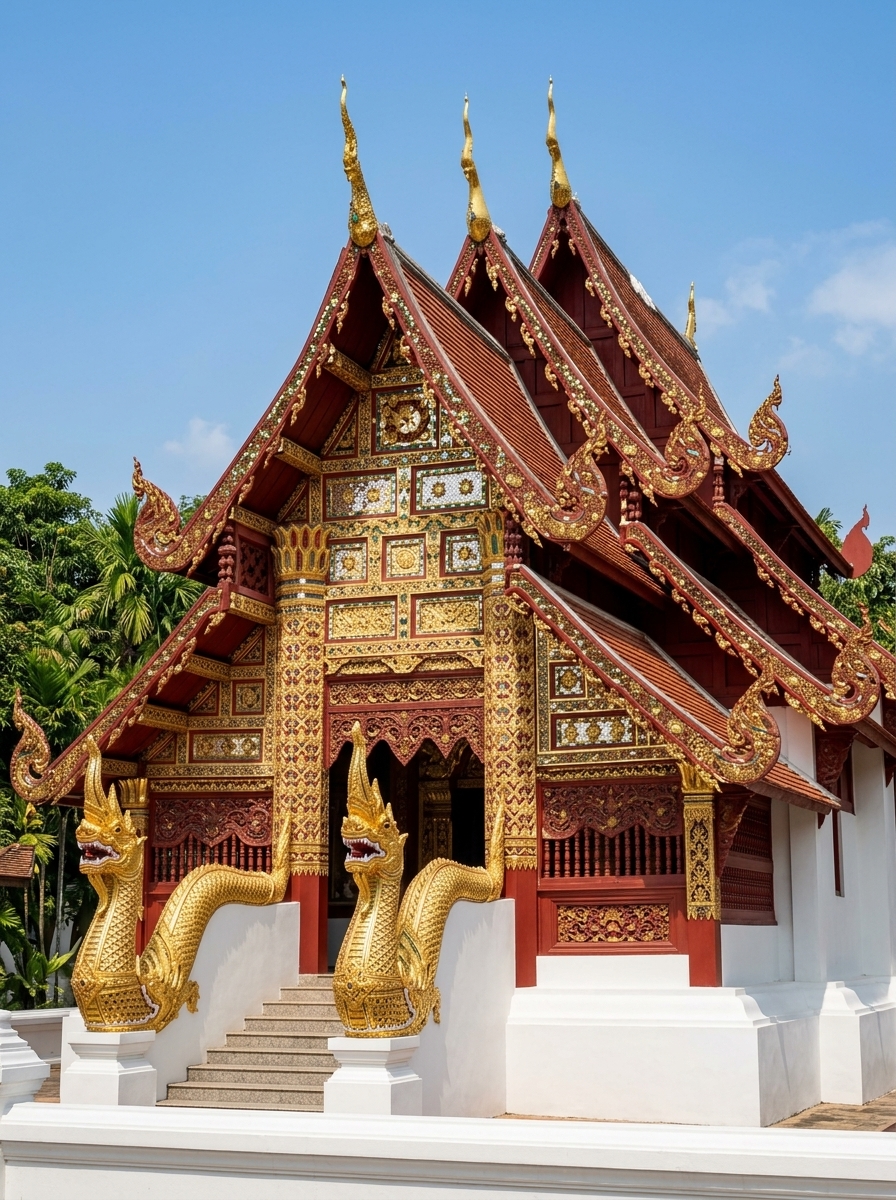
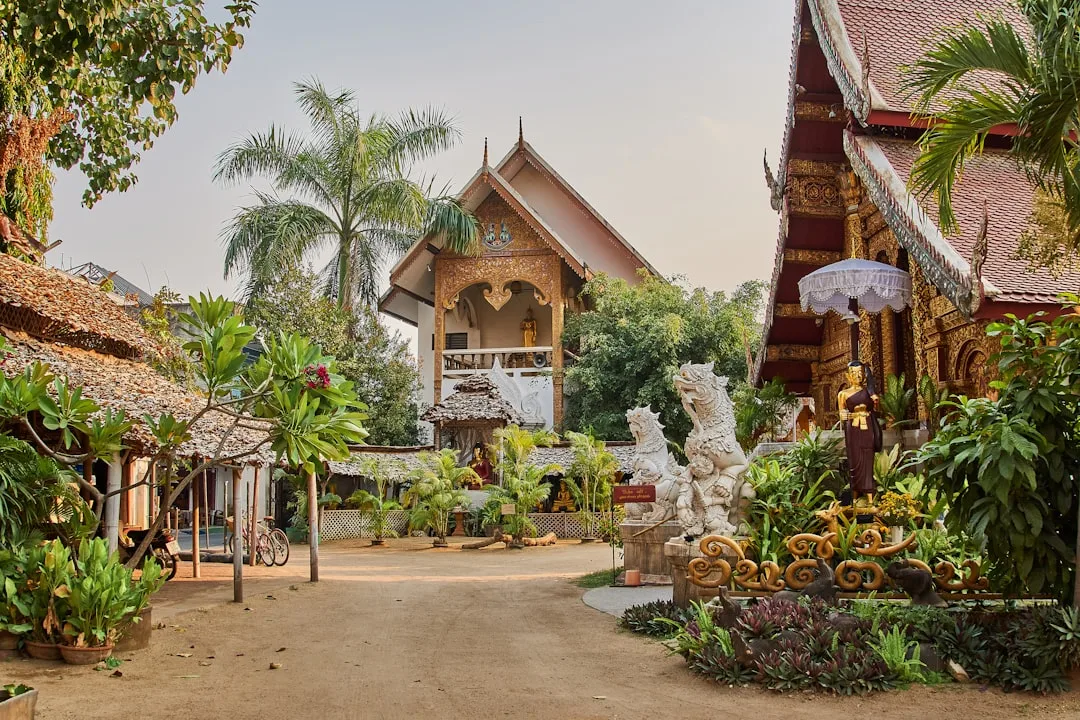
The final chapter of this sacred history was inscribed on Friday, 7 November 2003 (B.E. 2546), upon the complete architectural and artistic realization of Vihara Buraphachan (The Memorial Sanctuary of Luang Pu Mun Phuritatto). Built at a cost of 6,000,000 Baht, the open-sided teakwood structure faithfully replicated the pristine 19th-century vernacular architecture of Wat Ton Kwen.
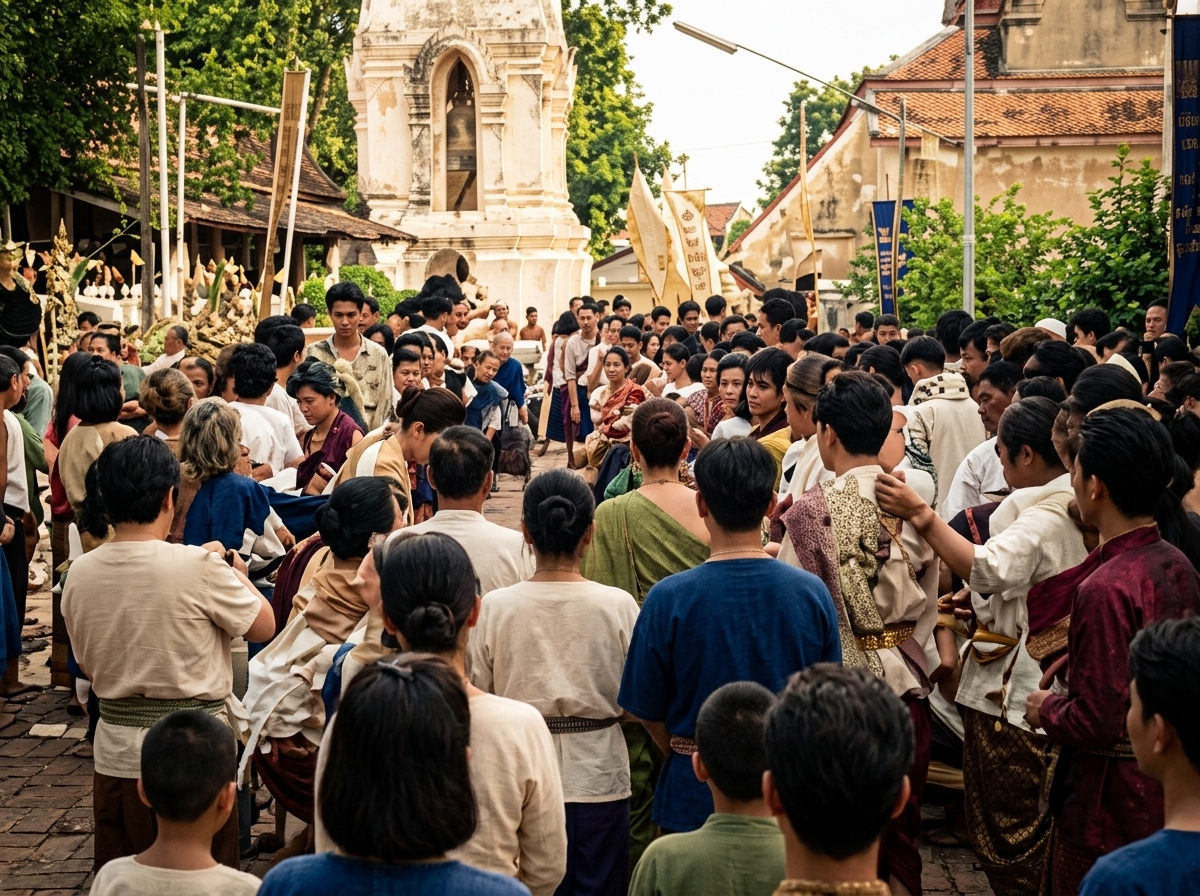
In a grand consecration assembly, 350 senior forest masters and scholar-monks from across Thailand convened at the temple. Philanthropist Khun Thawara Wanglee presented 350 commemorative monk satchels, 350 five-inch cast-bronze standing effigies of Luang Pu Mun, and monastic stipends to every attending monk.
The golden teakwood Busabok enshrining the authentic bone relics and molar tooth of Luang Pu Mun was ceremonially elevated to its permanent sanctuary at the heart of Vihara Buraphachan. Positioned directly over the historical footprint of Kuti Thanthakhet beneath the sheltering branches of the ancient Dipterocarpus resin tree, the shrine marks the exact physical coordinates where Luang Pu Mun, Luang Pu Waen, and Luang Pu Sim once sat in silent night-long meditation. Thus, the sacred chronicle of Chotikaram... Buraphachan concludes, eternally uniting medieval Lanna kingship, classical teak architecture, and the supreme spiritual realization of the Forest Ascetic Tradition.