



























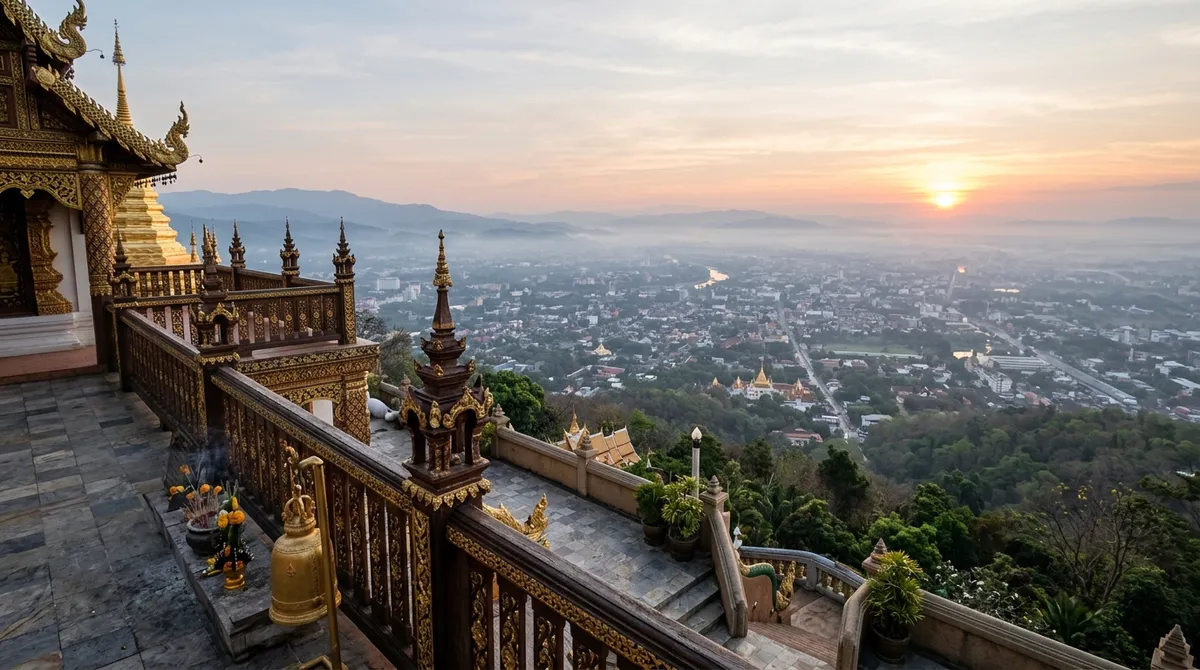
The Soul of Lanna: Viewing Chiang Mai Through Generations of Memory
Chiang Mai—formally christened Nopphaburi Sri Nakhon Ping Chiang Mai—has endured for over seven centuries in a fertile river valley cradled by the sacred granite massif of Doi Suthep to the west and the gentle Mae Ping River to the east. Having spent my entire life within earshot of temple bells along these ancient lanes, I have witnessed our sleepy agrarian town transform into an acclaimed global refuge for artisans, mountain seekers, and slow-travel connoisseurs.
What gives Chiang Mai its timeless magnetic pull is the graceful coexistence of antiquity and living innovation. You can sip a delicate light-roast washed Ethiopian geisha poured by an award-winning barista inside a minimalist glass cube, then step three paces into an adjacent alleyway to prostrate before a gilded 600-year-old teak Buddha image. To help you navigate our northern home with confidence, Uncle Kham presents this comprehensive 2026-2027 master handbook.
Navigating Chiang Mai's Seasons: When to Visit for Optimal Solitude & Beauty
Understanding regional micro-climates is the first crucial pillar of successful planning. I break down our annual calendar into three distinct phases (for an exhaustive climate analysis, consult our guide to the best time of year to visit Chiang Mai):
- The Cool Season (November to February): The undisputed peak of northern travel. Crisp highland air sweeps down from the Shan hills, bathing the valley in daytime temperatures of 24-28°C and chilly morning breezes of 12-16°C. Clear cerulean skies create magnificent conditions for mountain treks and photography. Book flights and heritage stays months in advance to navigate heightened demand.
- The Hot & Smoky Season (March to mid-April): Temperatures soar past 38°C, and seasonal agricultural burn-offs in surrounding valleys trap smoke within the mountain basin. While Songkran (Thai New Year) in mid-April offers joyful water-splashing camaraderie around the moat, sensitive travelers with respiratory vulnerabilities should schedule outdoor excursions outside this window.
- The Emerald Monsoon Season (May to October): My personal favorite time of year. Rainstorms are rarely relentless; they typically arrive as dramatic one-hour late-afternoon downpours that wash the mountain air sparkling clean. Terraced rice fields flush into vivid neon green, waterfalls surge at peak volume, hotel tariffs drop substantially, and temples regain their contemplative silence.
Planning Your Chiang Mai Trip? Book Early for Lower Rates
Check real-time rates and secret deals on Agoda, our official travel partner. Enjoy 100% free cancellation, pay at check-in, and earn Agoda Cash rewards.
Selecting Your Base: 4 Distinct Neighborhood Personalities
Chiang Mai’s urban footprint is divided into four distinct districts, each tailored to different traveler temperaments:
- The Old City Moat Perimeter: The historic square framed by ancient brick bastions. Perfect for first-time visitors who prioritize walking between centuries-old temples, quiet monastery courtyards, independent cafes, and evening street markets. Traffic is calm, and evening noise dissipates early.
- Nimman & Siri Mangkalajarn: The cosmopolitan design and lifestyle nerve center. Flanked by high-end shopping at One Nimman and MAYA lifestyle mall, this quarter teems with specialty coffee houses, artisan bakeries, co-working lounges, and vibrant craft cocktail bars. Ideal for creative professionals and night owls.
- Riverside & Wat Ket: The historic merchant riverbank east of the Ping River. Shaded by colossal century-old rain trees, this tranquil zone is home to luxury colonial estates, open-air riverfront dining, and five-star wellness sanctuaries.
- Santitham & University Quarter: An unpretentious, bustling local student district north of the moat. Bursting with authentic street food vendors, late-night hot pot stalls, and highly affordable boutique apartments for budget-conscious explorers.
The Classic 3-Day Foundation Itinerary
If you have limited days, Uncle Kham suggests following the structured rhythm of our 3-day Chiang Mai itinerary for first-timers:
- Day 1: Sacred Temples & Lantern Markets: Anchor yourself in the Old City. Pay respects at Wat Phra Singh and the ruined stupa of Wat Chedi Luang. Enjoy an afternoon bowl of heritage khao soi, and browse the colorful handicrafts of the night bazaar.
- Day 2: Mountain Sanctums & Waterfall Trails: Rise at dawn to ascend Doi Suthep before tour buses arrive. Wander through the forest-cloaked ruins of Wat Pha Lat along the Monk's Trail, followed by a scenic mountain lunch in Mae Rim.
- Day 3: Craft Villages & Culinary Souvenirs: Explore morning artisan textile markets, savor slow-drip coffee in Nimman, and procure vacuum-sealed gourmet treats at Warorot Market before heading to the airport.
If you have extra days, consider expanding your journey with picks from our curated top 10 things to do in Chiang Mai, including ethical elephant visits and bamboo rafting.
Gastronomic Wonders of the Lanna Table
A journey through northern Thailand is incomplete without immersing your senses in regional culinary heritage. Read our in-depth companion piece on must-try northern Thai dishes to identify these fundamental staples:
- Khao Soi: A rich, aromatic turmeric coconut curry broth cradling tender braised chicken or beef with springy egg noodles, crowned with a nest of crispy fried noodles, pickled mustard greens, and fresh lime juice.
- Khanom Jeen Nam Ngiaw: Fermented fresh rice noodles drenched in a tangy, spicy broth brewed with pork ribs, charred tomatoes, dried red cotton tree blossoms (dok ngio), and fermented soybean cakes.
- Gaeng Hang Lay: A slow-braised pork belly curry of Burmese lineage, infused with toasted spice powders, matchstick ginger, and pickled garlic cloves, yielding a comforting sweet-and-sour profile.
- Larb Kua: Unlike northeastern Issan larb, northern larb is tossed with prik larb, an intricate dry masala featuring wild prickly ash (ma-khwaen) and long pepper that impart an intoxicating, numbing forest fragrance.
Essential Cultural Etiquette & Local Respect
Our valley remains deeply anchored in Buddhist reverence. Keeping these fundamental social norms in mind ensures heartfelt welcomes everywhere you roam:
- Temple Modesty: Cover shoulders and knees when entering sacred grounds. Remove footwear before stepping onto raised wooden or tiled temple sanctums, taking care never to step directly upon the raised wooden threshold beam.
- Gender Restrictions in Ancient Viharas: A handful of esoteric historic chapels—such as the silver ordination hall at Wat Si Suphan—observe ancient Lanna monastic rules forbidding female entry due to consecrated talismans buried beneath the altar stones. Women are welcome to admire the exquisite external craftsmanship.
- Gentle Voice & Gracious Smiles: Northern Thai culture prizes jai yen (a cool, peaceful heart). Raising one's voice or displaying overt irritation rarely solves disputes; a calm, polite smile will open every door.
May your time in Chiang Mai bestow upon you deep physical rest, culinary delight, and memories as luminous as golden temple spires.
Plan Your Chiang Mai Journey · Verified Booking Partners
Compare real-time rates for stays, curated day tours, flight tickets, and transport with best price guarantee and flexible cancellation: