















Chapter 5: An Enduring Fellowship of Dhamma: The Six-Decade Bond between Luang Ta Maha Bua and Luang Por Jan Kusalo
Chapter 5: An Enduring Fellowship of Dhamma: The 60-year bond between Luang Ta Maha Bua and Jan Kusalo, the mosquito net legend, and the 2002 gold campaign.
The Monastic Dawn and the Legend of the Mosquito Net (1940 CE / B.E. 2483)
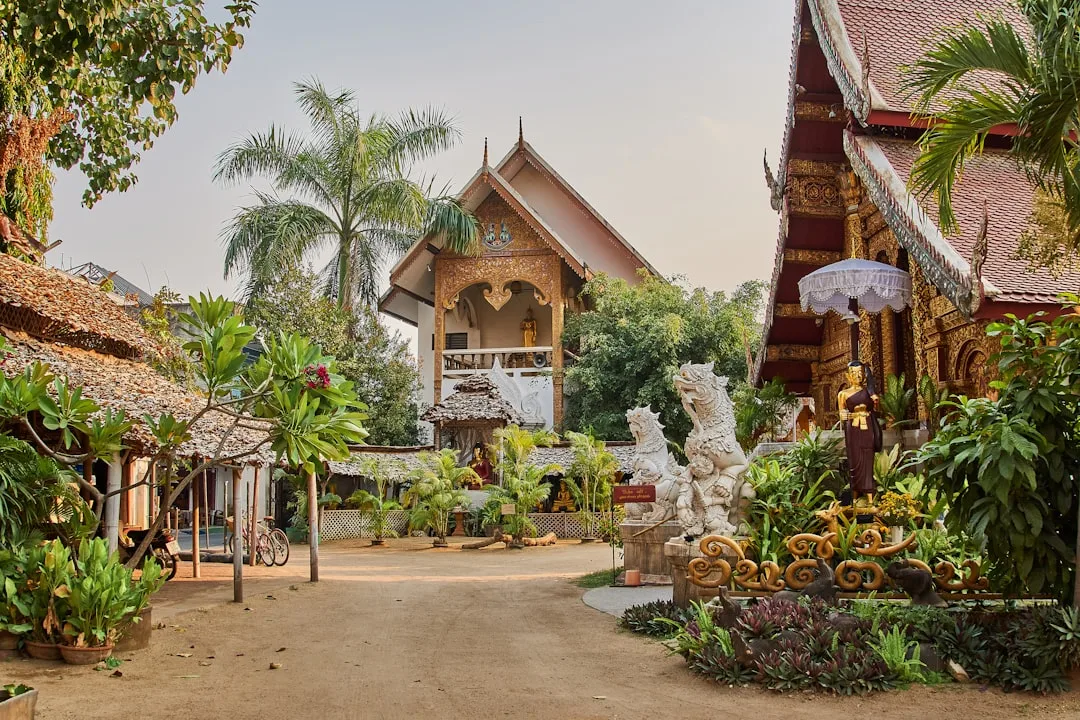
The profound spiritual bond linking Phra Dhammawisutthimongkol (Luang Ta Maha Bua Nanasampanno) of Wat Pa Ban Tat with Phra Phuttha Photchanawaraphon (Jan Kusalo), Abbot of Wat Chedi Luang, did not emerge in their twilight years; it was forged during their youth when both lived as ascetic student monks within the cloistered walls of Wat Chedi Luang between 1940 and 1941 (B.E. 2483–2484).
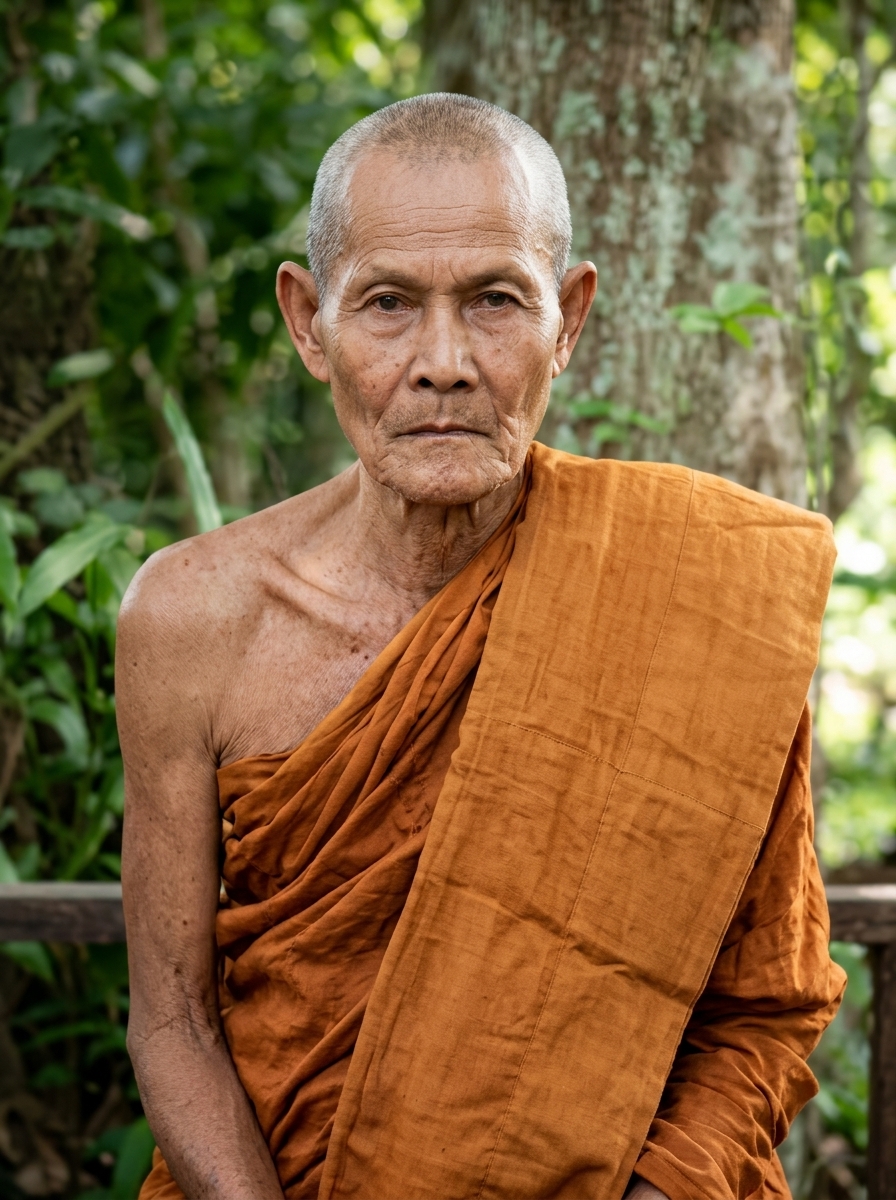
Luang Ta Maha Bua (born 12 August 1913 in Udon Thani) had accompanied his primary monastic mentor, Phra Yanadilok (Phim Dhammatharo / later Somdet Phra Maha Wirawong), from Wat Boromniwas in Bangkok to pursue formal Pali studies in Chiang Mai. Residing in austere quarters near his teacher, the young Maha Bua possessed no mosquito netting, enduring sleepless nights tormented by relentless swarms of northern mosquitoes.
Observing the ascetic endurance of his elder monastic peer, the young Phra Maha Jan Kusalo (who had recently passed his fourth-tier Pali examinations) procured a new mosquito net and reverently offered it to Maha Bua. This humble gesture of selfless fraternity forged an unbreakable spiritual covenant. As recorded in monastic annals: "From that defining moment onward, the two revered each other as brothers born of the same maternal womb."
Three Pillars of Spiritual Kinship
Their lifelong alliance was anchored upon three structural foundations:
- Fellow Seminarians: Sharing daily almsrounds, communal monastic meals, and the intensive recitation of Pali grammatical treatises at Wat Chedi Luang.
- Disciples of the Same Master: Both were direct spiritual sons of Chao Khun Phra Yanadilok (Phim Dhammatharo), who acted as the primary Dhamma instructor to Maha Bua and served as the official Kammavacacariya (Announcing Teacher) during Maha Jan's ordination in 1937.
- Companions in the Dhamma (Sahadhammika): Maha Bua stood four monastic rains senior to Maha Jan (Jan was born 26 November 1917; Bua was born 12 August 1913). Maha Bua fondly recounted: "We were equal brothers, but later in life, Tan Jan insisted on venerating me as his spiritual master." During those early years, Maha Jan once formally escorted Maha Bua to receive alms directly at his mother's home in Pa Sang District, Lamphun.
Divergent Vocations, Convergent Legacy
Upon completing their canonical studies (Maha Bua passing Parian Tham 3 in 1941, Maha Jan attaining Parian Tham 5), their monastic trajectories split into the classical dual vocations of Theravada monasticism:
- Luang Ta Maha Bua: The Forest Ascetic (Vipassana-dhura): Rejecting bureaucratic promotions and teaching appointments, he abandoned urban monasticism for the wilderness, apprenticing himself to Phra Acharn Mun Phuritatto until achieving supreme liberation, emerging as the undisputed spiritual commander of the Thai Forest Tradition.
- Phra Phuttha Photchanawaraphon: The Scholar-Administrator (Gantha-dhura): Shoulder-to-shoulder with monastic governance, he accepted the burdens of ecclesiastical administration, serving as Abbot of Wat Chedi Luang and Superintendent of Ecclesiastical Regions 4-5-6-7, pioneering mass education through the Metta Sueksa Charity School and Mahamakut Buddhist University.
Though their methods diverged — one conquering the defilements of the jungle heart, the other redeeming society through structural charity — their labors converged upon the singular goal of uplifting the human condition.
The Historic Reunion and the "Pha Pa Chuay Chat" Campaign (2002 CE)
This six-decade fellowship culminated in a historic national mobilization when Phra Thammadilok (Jan Kusalo) dispatched an official monastic invitation in August 2001, entreating Luang Ta Maha Bua to return to Chiang Mai.
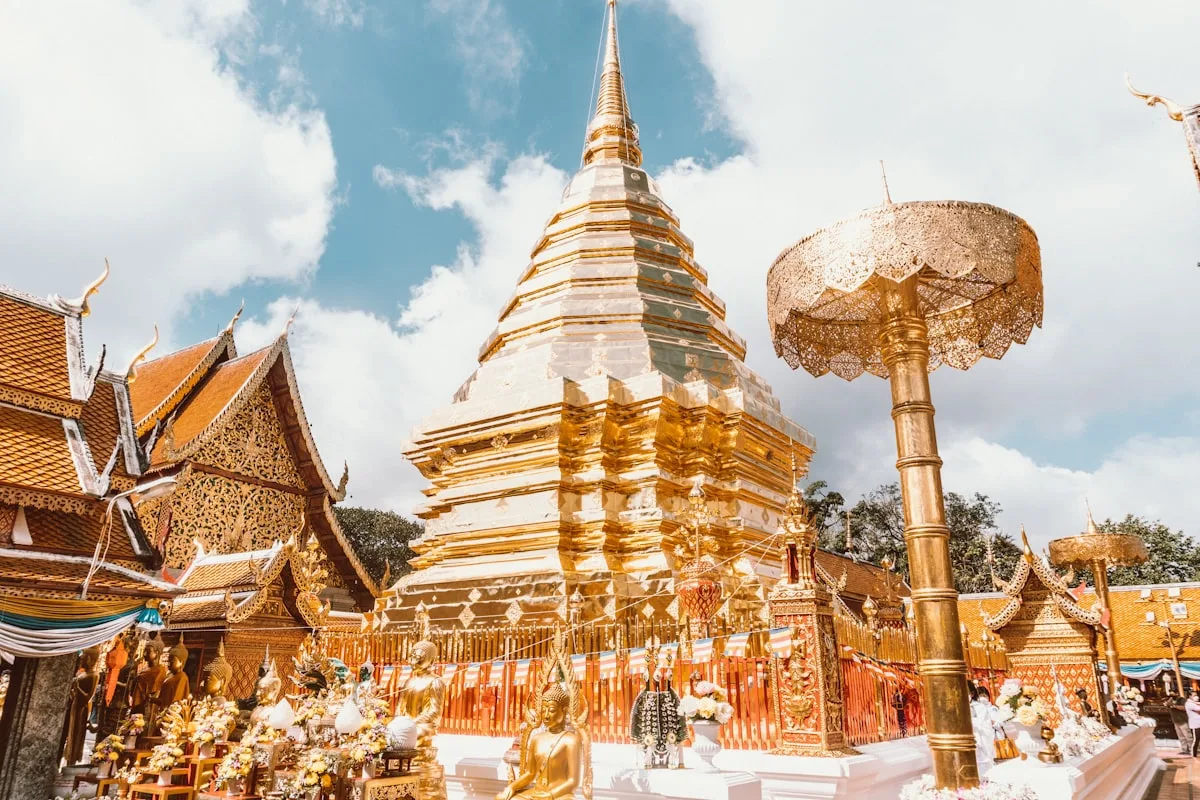
On 2–3 February 2002 (B.E. 2545), at the foot of the Great Stupa of Wat Chedi Luang, the two masters reunited in triumph. Luang Ta Maha Bua laid the foundation stone for the Vihara Buraphachan, enshrining the bone relics and molar tooth of their shared lineage father, Luang Pu Mun. Concurrently, with Prime Minister Thaksin Shinawatra presiding as secular chairman, the assembly launched the monumental northern Pha Pa Chuay Chat campaign, mobilizing vast kilograms of gold bullion and foreign reserves to rescue Thailand's national treasury from economic collapse — a profound testimony to the enduring power of a fellowship born sixty years earlier over a simple mosquito net.