















Chapter 5: The Unhassavichai Treatise: Escaping Calamity, Extending Lifespan, and the Celestial Miracle
Discover the esoteric Unhassavichai scripture: the Buddha's miracle saving a doomed deva from hell, and Lanna's body-weight rice donation rite.
Celestial Crisis and the Five Omens of Death in Tāvatiṃsa
The Unhassavichai scripture (in the Lanna tongue, Tham Unhassavijaya) is one of the most sacred palm-leaf texts preserved by Northern Thai Buddhism, universally chanted during Sueb Chata longevity rites and monastic jubilees. The canonical frame traces back to the lifetime of Gotama Buddha, when the Blessed One resided on the Paṇḍukambala stone seat beneath the celestial Pārichattaka tree in Tāvatiṃsa Heaven.
There, a radiant young deva named Suppatiṭṭhita revelled in divine pleasures alongside heavenly nymphs. However, another deity endowed with transcendental clairvoyance, Akāsacāriṇī, perceived that Suppatiṭṭhita had a mere two days of life remaining in the celestial realm. Worse still, upon death, his severe negative karma would drag him down into the harrowing depths of the Avīci Hell for a hundred thousand years. Following this hellish torment, he was destined to be reincarnated across 500 miserable animal lifetimes (as a vulture, crow, turtle, pig, and dog), and subsequently endure another hundred thousand lives as a deaf, mute, and blind human being.
Overwhelmed with sheer terror, Suppatiṭṭhita observed the sudden manifestation of the Five Somatic Omens of Deva Death (Pañca-Pubbanimitta):
- The immortal celestial blossoms adorning his person withered and crumbled.
- His radiant celestial skin lost its luminous brilliance, turning dull and dark.
- His heavenly silks became stained, wrinkled, and soiled.
- Heavy sweat poured forth from his armpits.
- His divine throne, usually soft and buoyant, became blazing hot and stone-hard.
Karmic Revelations and the Supreme Protective Gāthā
Suppatiṭṭhita fled to King Sakka (Indra) pleading for salvation. Yet Indra confessed that even the sovereign of the gods is powerless against the ripening of past kamma; only the Supreme Buddha could provide a sanctuary. Bearing celestial blossoms and puffed rice, Indra ushered the terrified deva into the presence of the Teacher.
The Buddha revealed the specific karmic roots of Suppatiṭṭhita's impending doom:
- In past mortal lives, he lived as a ruthless hunter, slaughtering countless sentient beings without performing merit, maintaining moral precepts, or studying the Dhamma.
- He mixed rice chaff and dirt with grain to defraud buyers—an act maturing as rebirth as a swine.
- He slandered monks, novices, parents, and teachers—maturing as rebirth as a mangy dog.
- He deliberately shouted and disrupted sacred Dhamma assemblies—maturing as rebirth into deafness.
- He pulled grotesque mocking faces at mendicant monks seeking alms—maturing as lifetimes of congenital blindness.
Moved by boundless compassion, the Buddha delivered the supreme protective exposition known as the Uṇhassavijaya Gāthā. This esoteric text extols the peerless power of the Triple Gem as the ultimate panacea capable of shattering the grasp of death, extinguishing burning kamma, and dispelling perils from fire, flood, storm, demons, and incurable diseases.
Salvation and Its Living Legacy in Lanna
Upon hearing the sermon and embracing its refuge, Suppatiṭṭhita was miraculously liberated from impending demise and the subterranean fires of Avīci. His heavenly youth was restored, and his celestial lifespan was extended across vast aeons, enduring from the dispensation of Gotama Buddha until the advent of Metteyya.
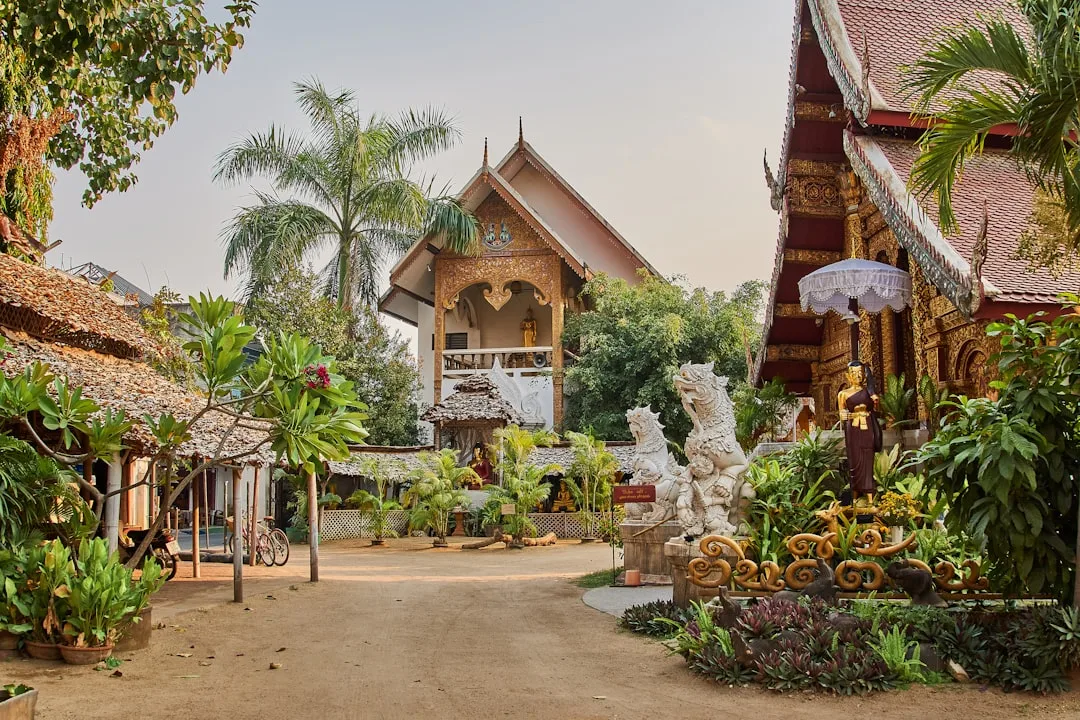
Lanna masters immortalized this text on palm leaves. In regional ritual practice, it is accompanied by the "Ku Chiwit" (Life Redemption) rite, wherein devotees donate polished rice equivalent to their own body weight, release captive animals, and sponsor medicines. Through this symbolic surrender of accumulated transgressions, ancient Lanna society translated abstract metaphysics into tangible spiritual regeneration.