
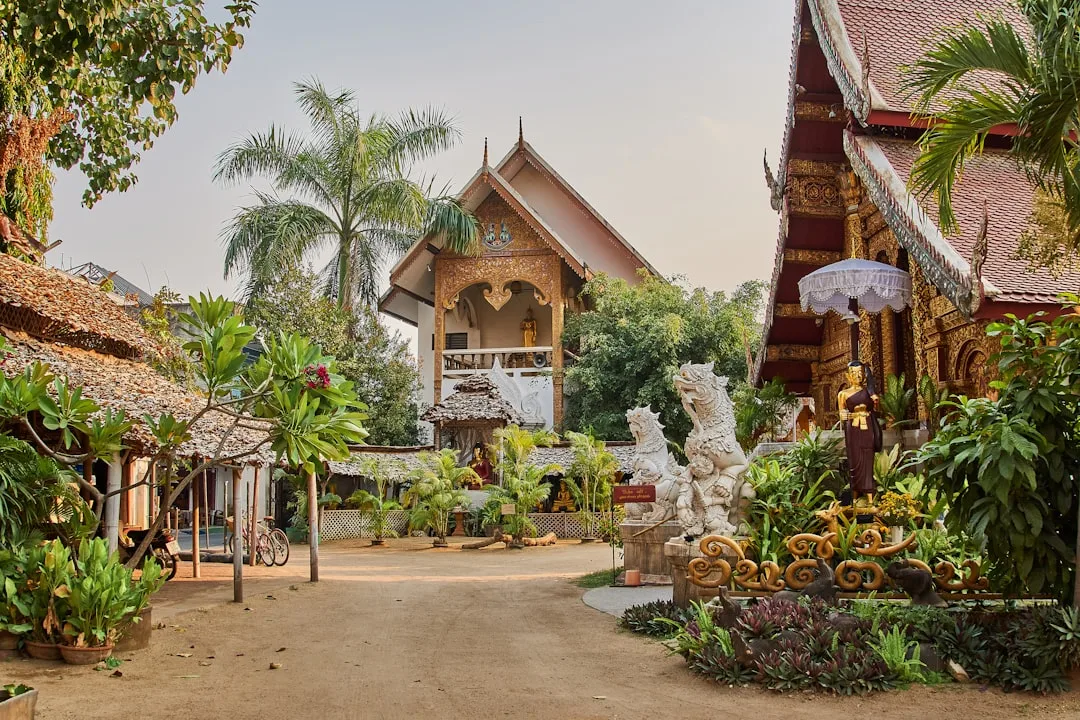







Part 3: Sacred Rites and Living Traditions of Wat Chedi Luang: The Inthakhin Pillar Worship, Vassa Floral Almsgiving, and the Salakphat Lottery Feast
Part 3: Living Traditions of Wat Chedi Luang: The Inthakhin City Pillar floral worship, Vassa floral almsgiving, and the Salakphat feast.
The Inthakhin Pillar Worship: Civic Auspices and the Floral Offering Ritual
The most deeply revered civic-religious festival defining the spiritual equilibrium of Chiang Mai is the Inthakhin City Pillar Worship Festival (Prapheni Bucha Sao Inthakhin). It is ritually timed to coincide with the critical transition of the northern lunar calendar, known idiomatically as "Duan Paed Khao, Duan Kao Ok" ("Entering the 8th month, Exiting the 9th month", falling between late May and early June).
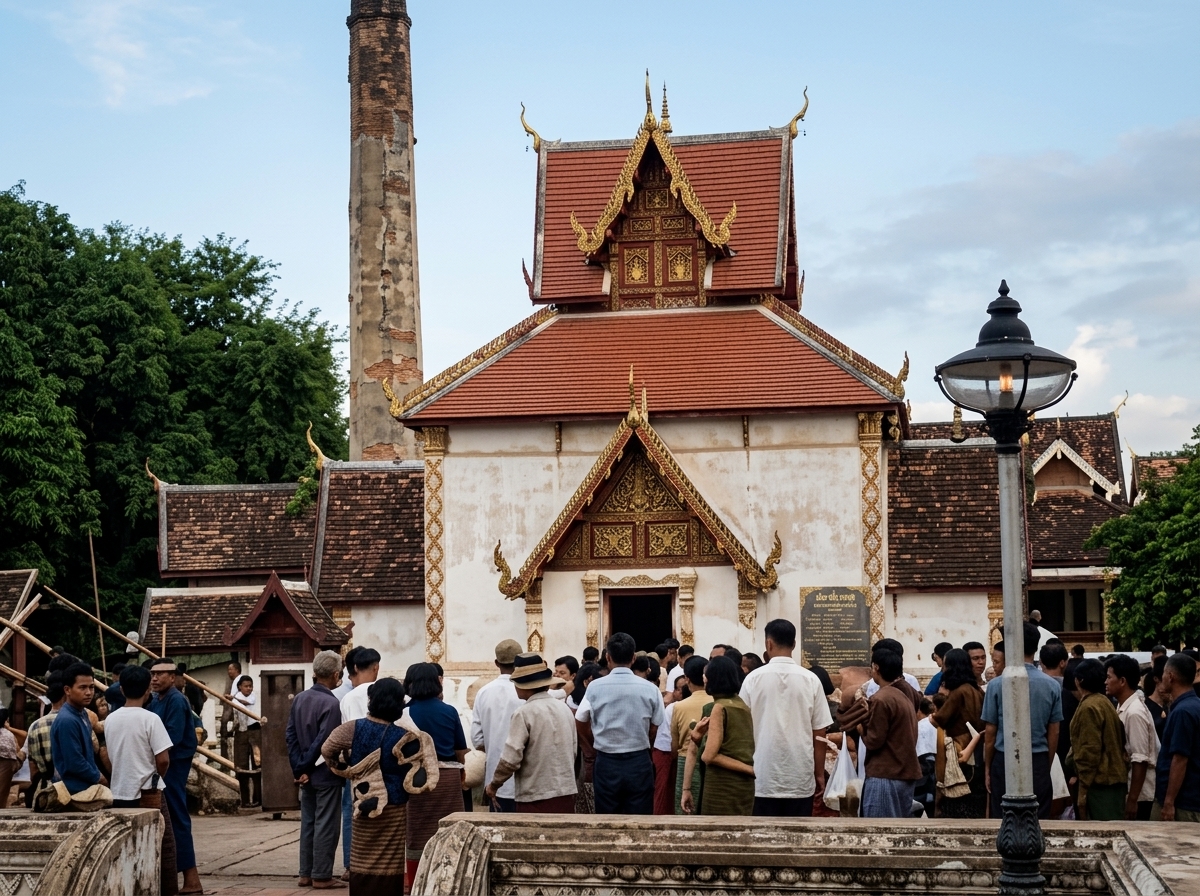
Historically, following the liberation of Chiang Mai from two centuries of Burmese vassalage, King Kawila enacted the policy of "Gathering vegetables into baskets, gathering people into the city" to repopulate the desolated capital. In 1800 (B.E. 2343), Kawila ceremonially relocated the ancient Inthakhin (Indra's Pillar) — the palladium of municipal sovereignty originally situated at Wat Sadue Mueang (the City Navel) — to the monumental grounds of Wat Chedi Luang, placing it beneath the protection of two club-wielding Yaksha (Kumphand) colossi.
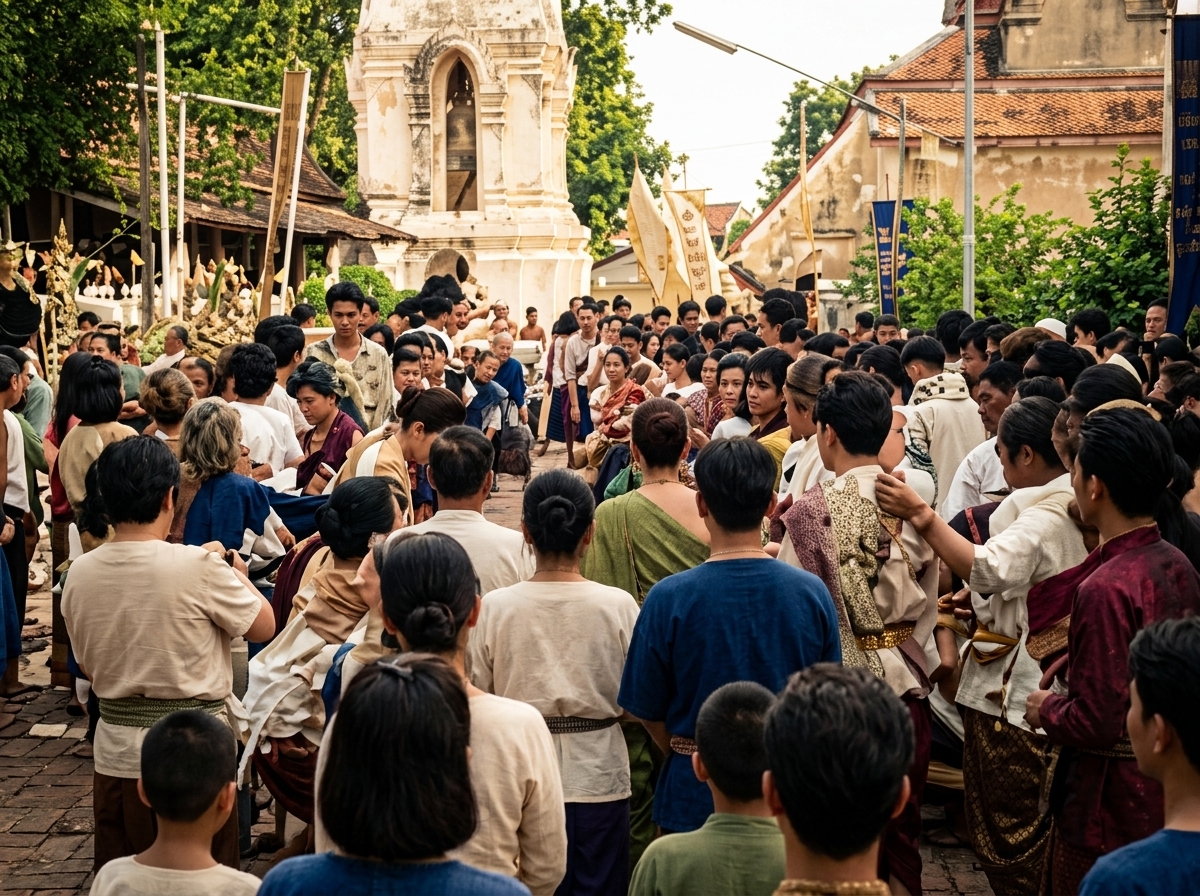
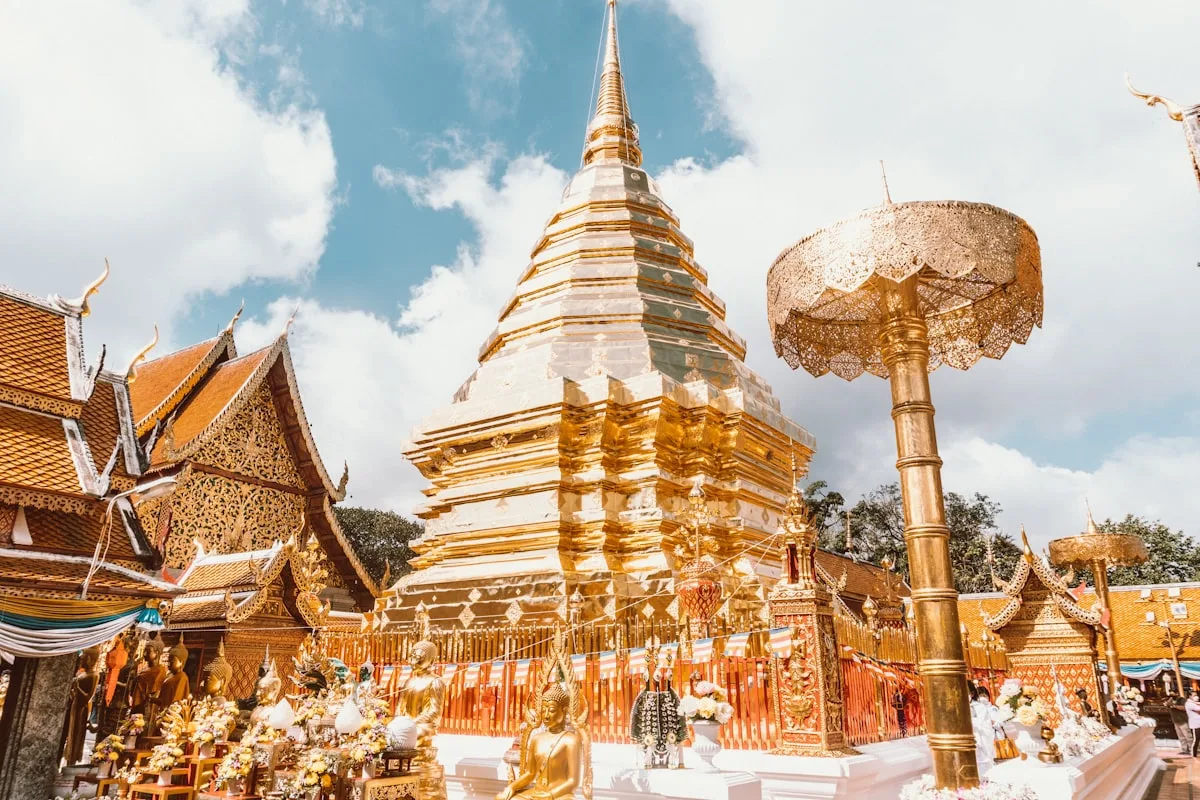
According to Lanna mythology, the Inthakhin pillar was a chthonic monolith bestowed directly by the king of the gods, Sakka (Indra), to the indigenous Lawa people, serving as a divine contract: so long as citizens upheld the Five Precepts and honored the pillar, the realm would be safeguarded from drought, famine, and war. During this seven-day festival, tens of thousands of citizens perform "Sai Khan Dok" — placing fresh floral bouquets, candles, and incense into hundreds of pedestaled trays (Khan) arranged around the shrine and the Great Stupa, an overwhelming collective invocation for timely monsoon rains and municipal prosperity.
Floral Almsgiving (Tak Bat Dok Mai): Vassa Reconciliation and Monastic Unity
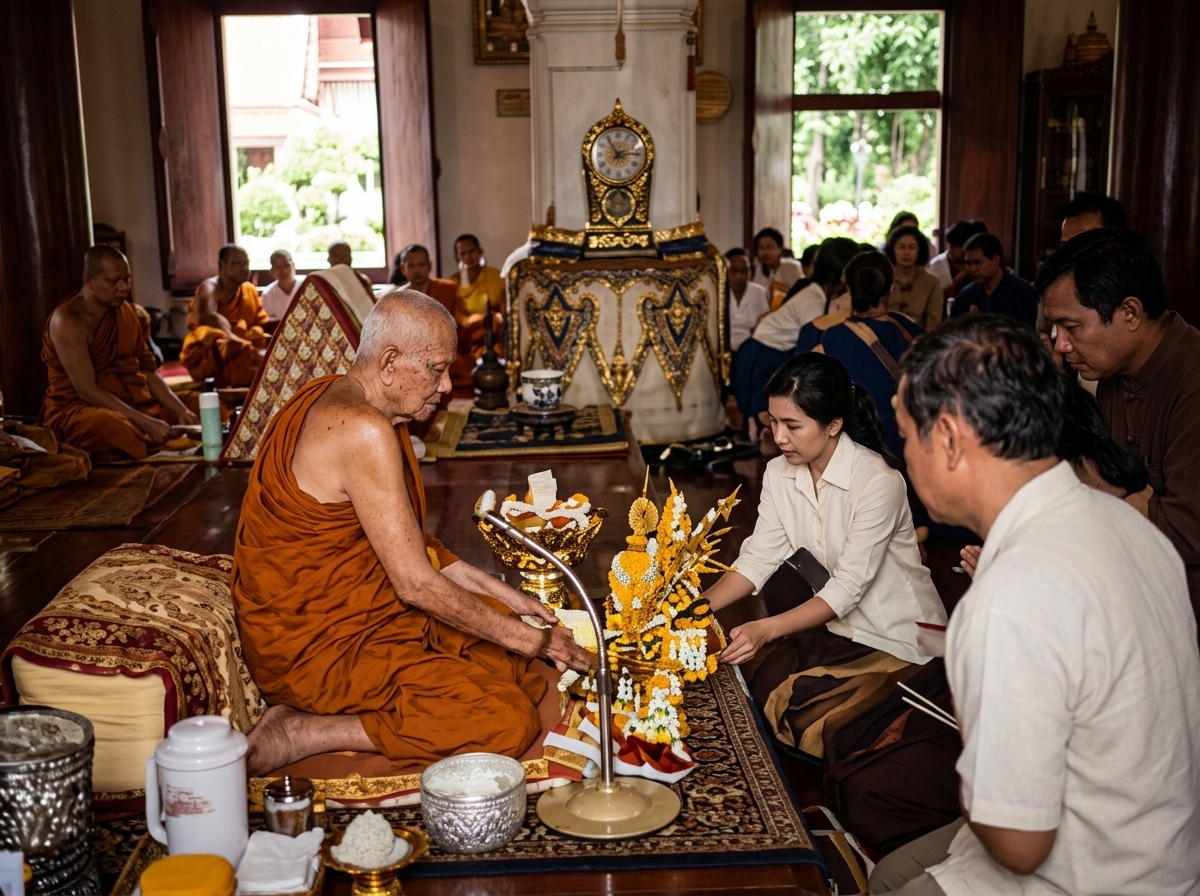
Observed at dusk on the First Day of the Rains Retreat (Wan Khao Phansa), Wat Chedi Luang hosts the unique Floral Almsgiving Rite (Tak Bat Dok Mai), instituted in 1928 by Phra Upali Gunupamacariya.
Departing from conventional morning almsgiving, monks and novices do not carry black iron bowls; instead, they drape cotton traveling shoulder bags (Yam) across their robes, walking in solemn procession to receive fresh cut flowers, candles, and incense offered by hundreds of devotees kneeling in the Great Vihara. Once collected, these floral offerings form the instrument for a profound Three-Fold Forgiveness Ceremony (Khaoma):
- Lay devotees offer flowers to the Sangha: Generating karmic merit through pure devotion to the Triple Gem.
- The monastic assembly seeks mutual pardon before the Buddha image: Consecrating their three-month monastic retreat by spiritually purging psychological transgressions.
- Internal Sangha Reconciliation: Every monk and novice — from the Supreme Abbot down to the newly ordained novice — prostrates before his peers in order of seniority, formally requesting forgiveness for any intentional or accidental offense committed in deed, speech, or thought. This eliminates internal discord, ensuring flawless spiritual unity throughout the three-month rains residence.
The Salakphat Lottery Feast: Canonical Equality and Ancestral Merit
The annual Salakphat (Lottery Almsgiving / Tan Kuay Salak) festival of Wat Chedi Luang is observed on the 5th waxing day of the 11th lunar month (Duan Kiang, the 1st northern lunar month), celebrated continuously since its founding by Chao Khun Upali in 1928 (the 1996 festival marking its 68th iteration).
The canonical origin derives from the Dhammapada commentary: a karmic vendetta between a mortal mother and a female demon (Yakkhini) spanning multiple lifetimes was extinguished when the Buddha taught that "Hatred never ceases through hatred; by love alone does it cease." Transformed, the Yakkhini observed moral precepts and advised villagers on seasonal agricultural meteorology. Grateful villagers presented massive food offerings, which were equitably allocated to the monastic assembly via lottery tickets (Salak), with the Venerable Subhuti Thera miraculously drawing ticket number one due to past vows.
In northern tradition, Salakphat represents the highest form of Sanghadana (impersonal almsgiving to the collective monastic community without individual favoritism). Lay households weave conical bamboo baskets (Kuay) packed with rice, dry rations, fruits, and robes, attaching randomized lottery tickets. Monks draw lots and receive the corresponding baskets. This universal feast simultaneously transfers karmic sustenance to deceased ancestors while honoring the transcendent spirits of Wat Chedi Luang's historic abbots.