











Part 2: The Venerable Masters: Forest Ascetic Lineages, Historic Abbots, and the Spiritual Luminaries of Wat Chedi Luang
Part 2: Masters of Wat Chedi Luang: Chao Khun Upali, Luang Pu Mun's 11-year northern ascetic odyssey, and the historian Phra Maha Muen.
Phra Upali Gunupamacariya: Patriarch of the Lanna Dhammayut Renaissance
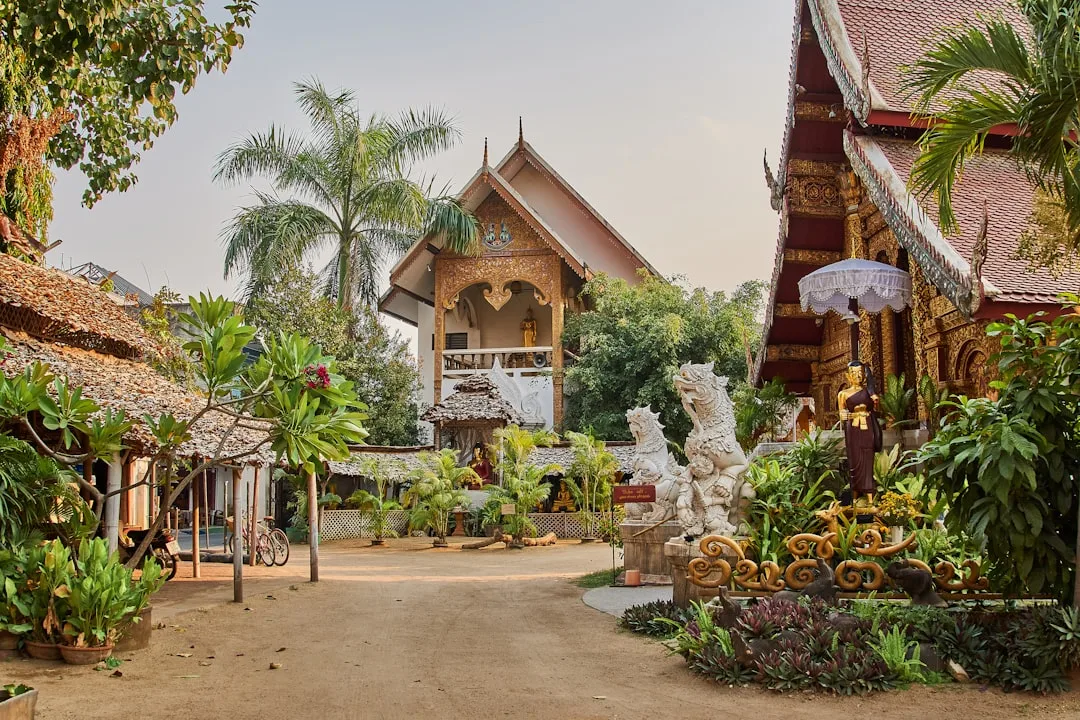
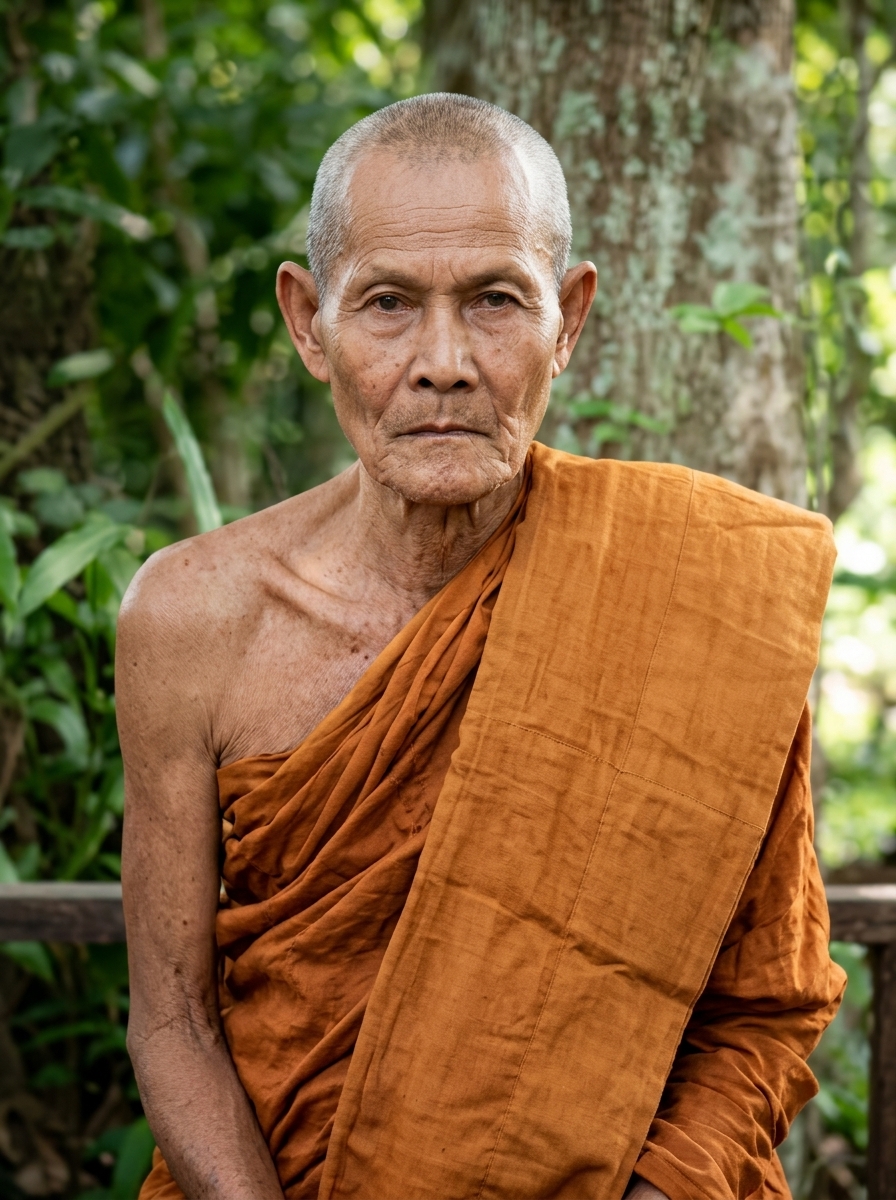
The modern epoch of Wat Chedi Luang was inaugurated on 28 May 1928 (B.E. 2471), when the venerated Phra Upali Gunupamacariya (Jan Siricando), Abbot of Wat Boromniwas in Bangkok, arrived by northern express rail in Chiang Mai. Accompanied by 35 monks and over 50 devout lay disciples, he assumed the inaugural abbacy of Wat Chedi Luang to plant the reformed Dhammayut Nikaya monastic order in Northern Thailand.
Born on 20 March 1856 (B.E. 2399) in Ubon Ratchathani, Chao Khun Upali was a direct spiritual heir to Chao Athikan Mao (himself a personal disciple of King Mongkut, Rama IV). He had served as Ecclesiastical Superintendent of the Isan Region and founded the Dhammayut Sangha in Champasak, Laos. Finding Wat Chedi Luang in a near-derelict state, he enacted an ambitious urban monastic reorganization: annexing four adjacent historical temples (Wat Ho Tham, Wat Suk Min, Wat Sop Fang, and Wat Chedi Luang) into a single master complex, constructing the Pariyattitham scriptural school, rebuilding the Great Vihara Luang (1929), and formalizing the annual Salakphat almsgiving festival. He guided the monastery for four rainy retreats before passing away at Wat Boromniwas on 19 July 1932, aged 77 (55 rains).
Phra Acharn Mun Phuritatto: The "Muttothai" Epiphany and 11 Years of Forest Wandering
Following Chao Khun Upali's demise, Phra Acharn Mun Phuritatto, the revered founding father of the modern Thai Forest Tradition (Kammatthana), was formally appointed Second Abbot of Wat Chedi Luang (1932–1933 / B.E. 2475–2476).
Born on 20 January 1870 at Ban Kham Bong, Khong Chiam, Ubon Ratchathani, Mun ascended to Chiang Mai with Chao Khun Upali in 1928. While residing at Wat Chedi Luang, he delivered transcendent meditation discourses to elite disciples, forming the core of the spiritual masterpiece "Muttothai" (A Heart Released). Chao Khun Upali praised him unreservedly: "Acharn Mun's exposition of Dhamma is exquisitely melodious, possessing an eloquence matched by none."
Furthermore, on 14 July 1932 within the Uposatha of Wat Chedi Luang, an extraordinary historical milestone was recorded: the ordination of Phra Palat Ket Wannako, the sole monk in history for whom Phra Acharn Mun Phuritatto officially served as Preceptor (Upajjhaya).
Driven by an irrepressible thirst for forest solitude, Mun resigned the administrative abbacy after just one year to resume his ascetic pilgrimages (Dhutanga). For eleven continuous years (1928–1939 / B.E. 2471–2482), he wandered the limestone crags and deep jungles of Mae Rim, Mae Taeng, Phrao, San Sai, Chiang Dao, and Chiang Rai. In May 1939, Mun returned to Wat Chedi Luang to deliver his poignant final northern sermon on Visakha Bucha Day — famously titled "Reiterating the Lessons of Old Age" — before departing permanently for Isan. He achieved final Parinibbana at Sakon Nakhon on 11 November 1949, aged 80 (58 rains).
Dynastic Succession and Master Chroniclers
- Phra Phutthisophon (Waew Dhammathinno) (Abbot 1934–1959): A native of Phetchaburi who arrived with Upali in 1928; known for absolute ascetic frugality and taciturn speech, he steered the monastery through the dislocations of World War II.
- Phra Thammadilok (Khanti Khantiko) (Abbot 1959–1991): Arriving from Prachinburi as a 16-year-old novice in 1928, he resided at Wat Chedi Luang for 63 uninterrupted years, dedicating his life to monastic education until his passing from heart failure on 30 May 1991, aged 81 (60 rains).
- Phra Thammadilok (Jan Kusalo) (Abbot 1992–1996+): A native of Pa Sang, Lamphun; he expanded social welfare through the Metta Sueksa Foundation for impoverished children and established the Mahamakut Buddhist University (Lanna Campus).
- Phra Maha Muen Vuddhinyano (P.T. 3): The preeminent northern monastic historian residing at Wat Ho Tham, who critically transcribed and preserved over 20 classical Lanna palm-leaf chronicles (including the chronicles of Chiang Mai, Doi Tung, Phayao, and the Red Sandalwood Buddha), preserving northern heritage for modern scholarship.