




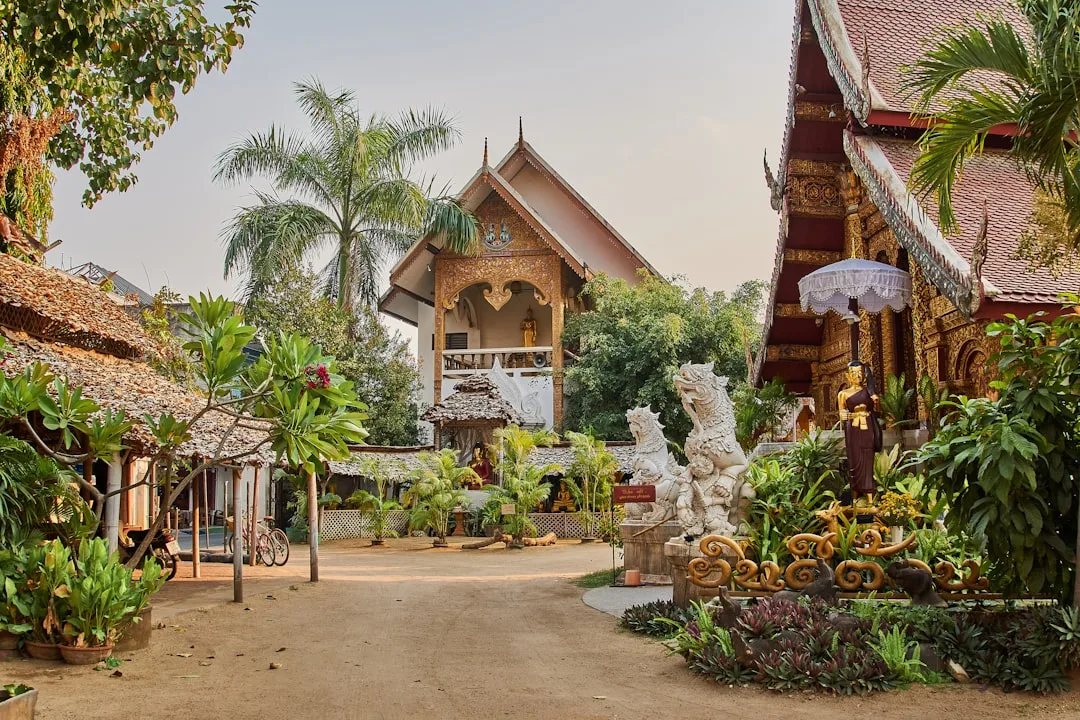
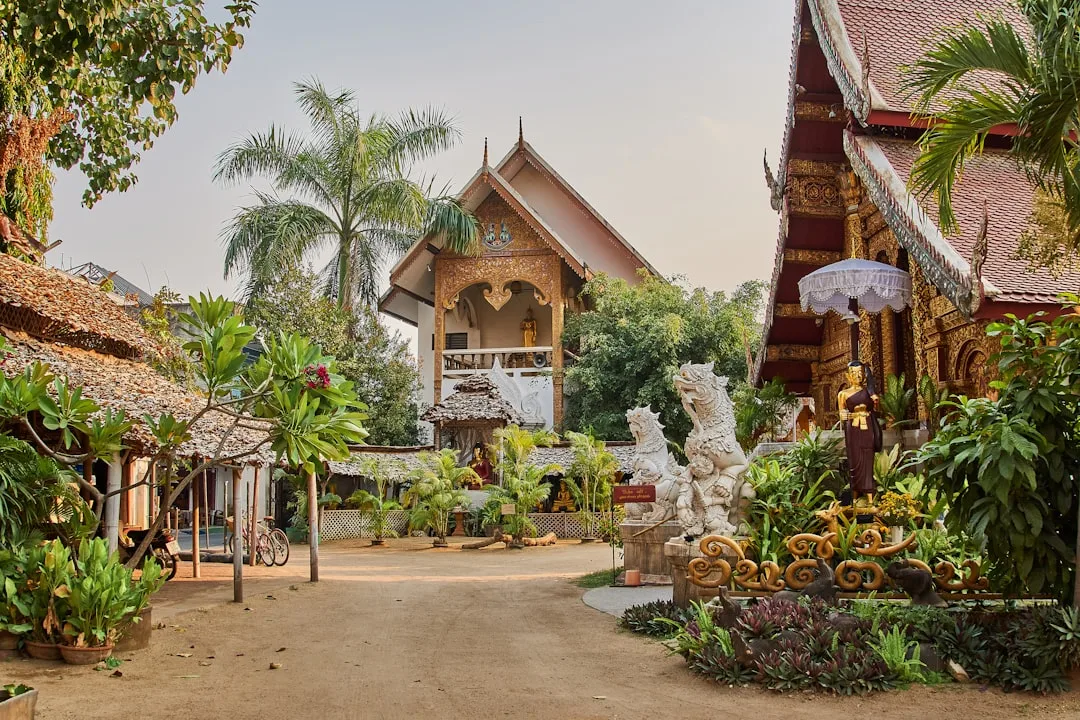












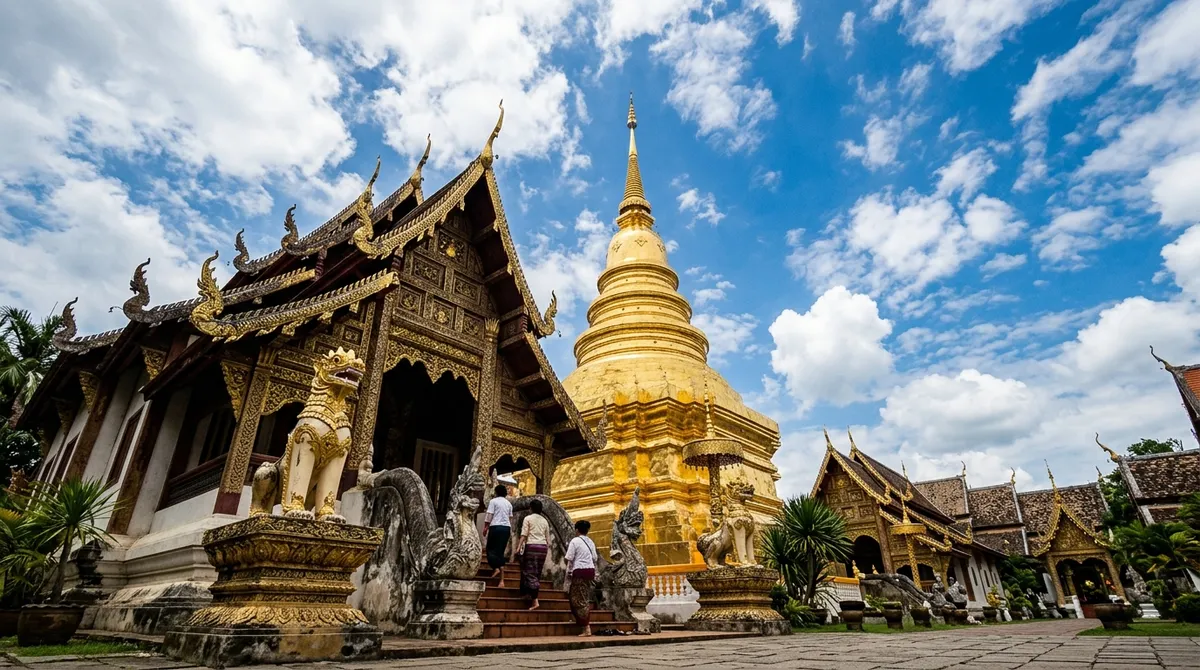
Wat Phra Singh Woramahawihan in Chiang Mai, located at the western terminus of Ratchadamnoen Road within the walled Old City, is a first-class royal monastery representing the pinnacle of classical Lanna religious architecture. Founded in 1345 CE by King Pha Yu, it enshrines the revered Phra Buddha Sihing (The Lion Buddha), the sacred golden stupa of the Year of the Dragon, and the 14th-century Viharn Lai Kham featuring peerless gold-patterned murals. The complex opens daily from 06:00 to 18:00. Admission: free for Thai citizens / 50 THB for foreign visitors to access Viharn Lai Kham and the inner heritage precinct.
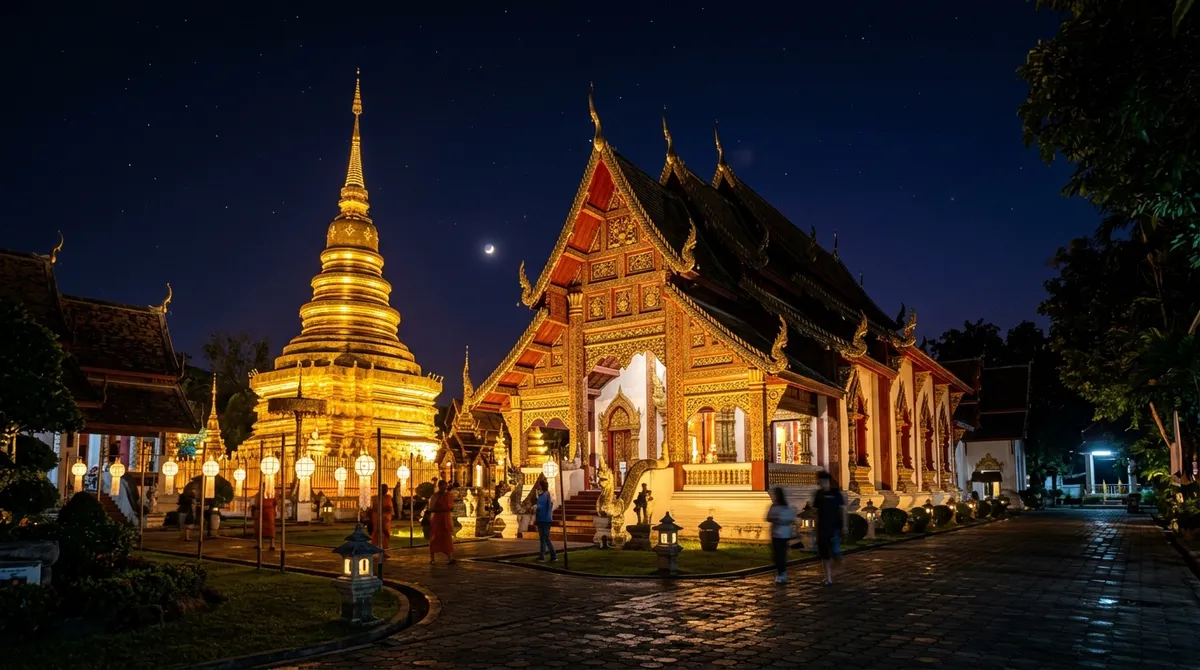
680 Years of History: From Royal Ash Stupa to Premier Monastery
In 1345 CE, King Pha Yu, the 5th monarch of the Mangrai Dynasty, commissioned a 46-meter stupa to enshrine the cremated remains of his father, King Kham Fu. Two years later, a monastic compound was founded under the name Wat Li Chiang Phra (Market Monastery of Chiang Phra).
The turning point came around 1400 CE during King Saen Mueang Ma's reign. A sacred bronze Buddha image displaying Sri Lankan stylistic lineage—originally discovered in Kamphaeng Phet and brought from Chiang Rai—was carried into the capital by royal elephant carriage. When the elephant reached the gates of Wat Li Chiang Phra, it halted and refused to advance. Interpreting this as a divine portent, the king permanently enshrined the statue in the temple, prompting the populace to rechristen the sanctuary Wat Phra Singh.
4 Iconic Architectural & Artistic Highlights
1. Viharn Lai Kham & The Phra Buddha Sihing
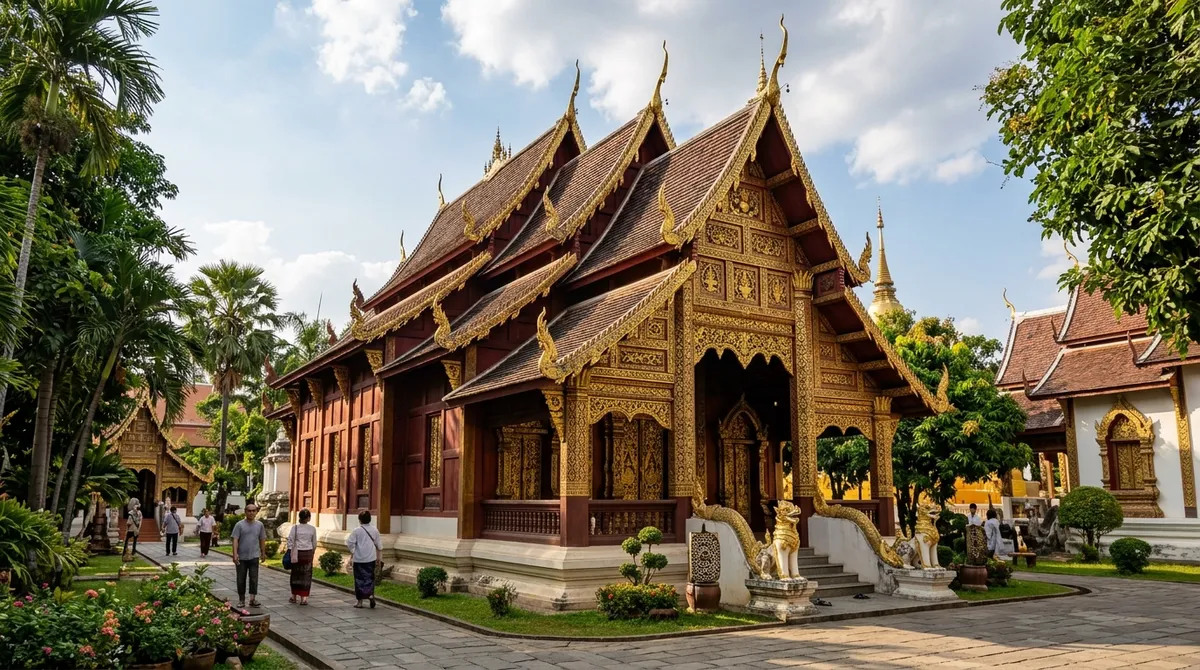
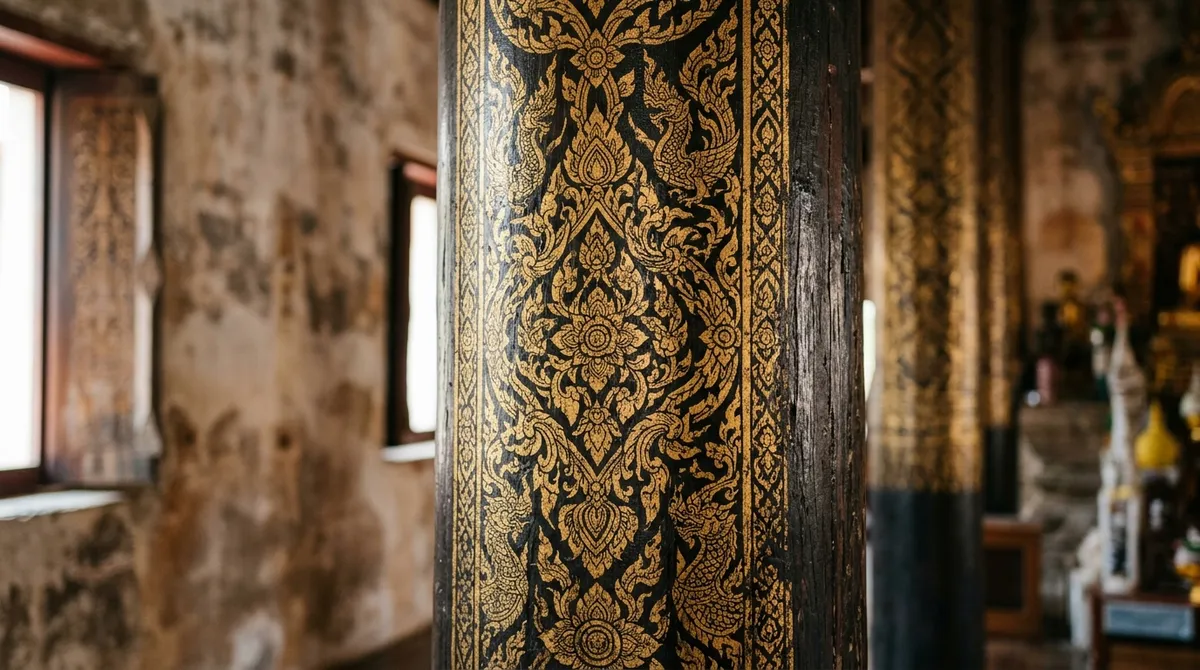
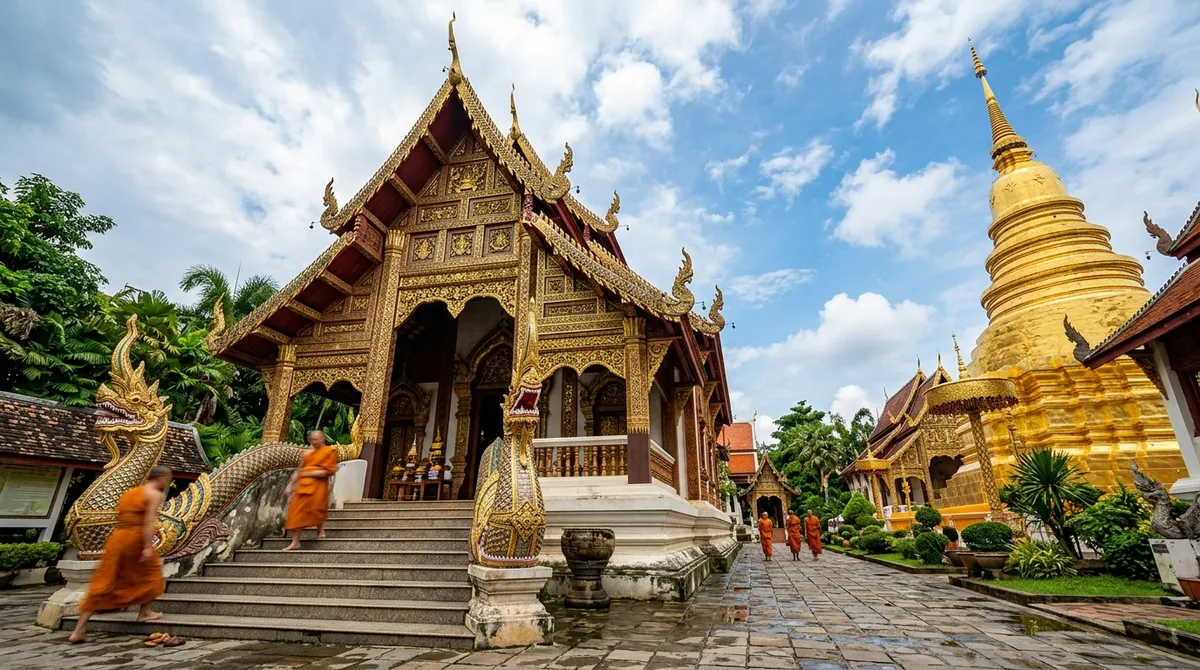
Constructed during the late 14th century, this teak assembly hall represents the epitome of pure Lanna design: low-slung, tiered roofs designed to withstand mountain breezes. Inside sits the Phra Buddha Sihing, an exquisite bronze image cast in the meditation posture. The interior columns and back wall are decorated using the traditional Lai Kham technique—intricate gold leaf stenciling applied over glossy red and black lacquer.
2. The 19th-Century Lai Kham Murals
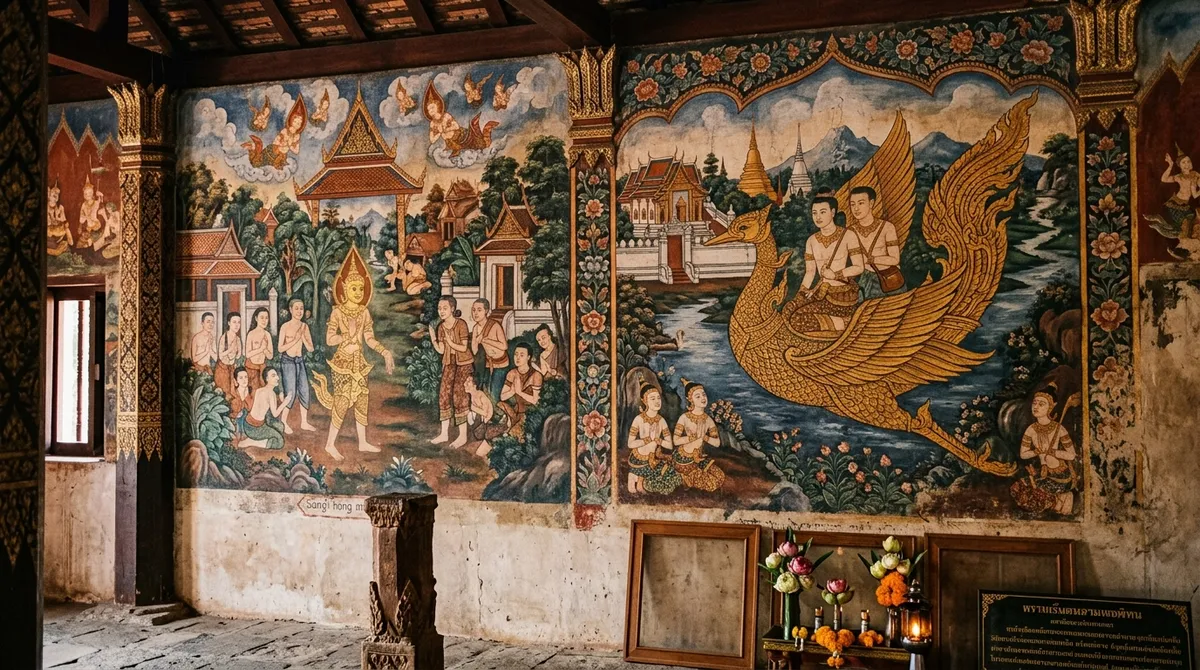
Decorating the northern and southern walls of Viharn Lai Kham are northern Thailand’s finest mural masterpieces. The northern wall illustrates the Sang Thong (Golden Conch Prince) folklore, while the southern wall depicts Suwannahong. Italian-Thai art historian Silpa Bhirasri famously observed that these murals depict genuine 19th-century Lanna daily life with unmatched authenticity—showcasing hairstyles, tattoos, traditional fabrics, and British colonial influences.
3. Ho Trai (The Scripture Library)
Erected in the late 15th century under King Mueang Kaeo, this raised two-story library protected sacred palm-leaf Buddhist scriptures from pests. The elevated plaster base features sculpted standing devas (celestial beings) in high relief, while the upper wooden pavilion showcases gilded teak carving. The Association of Siamese Architects recognized it as one of Thailand’s finest surviving wooden monastic libraries.
4. The Golden Phra Maha Chedi (Year of the Dragon)
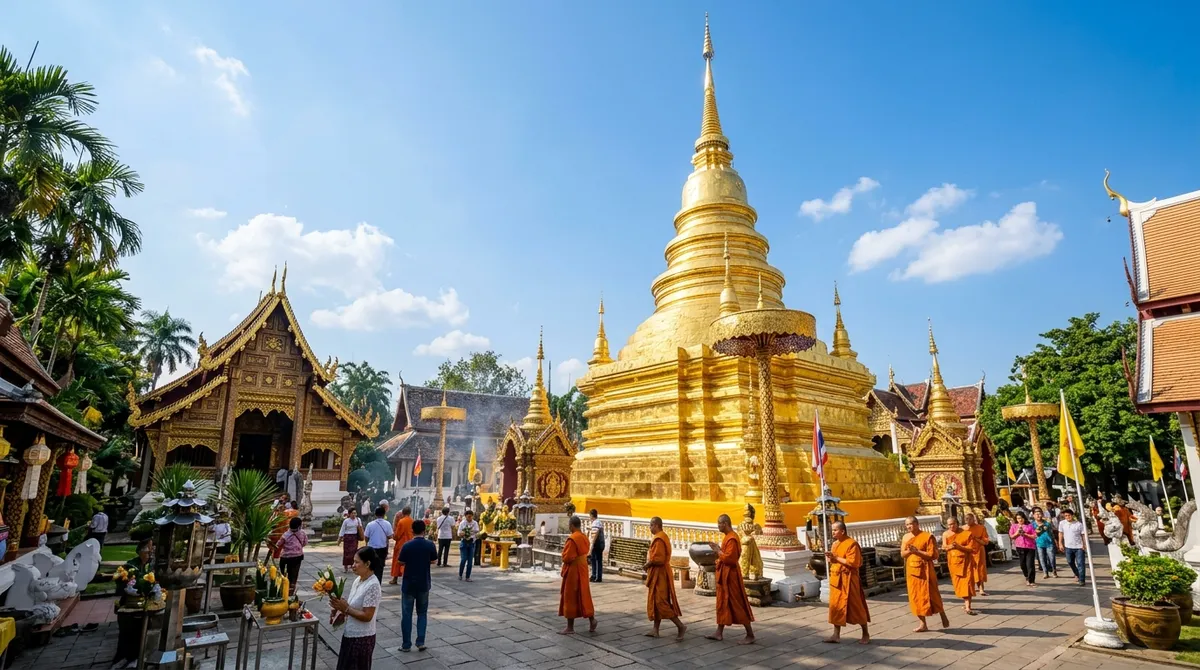
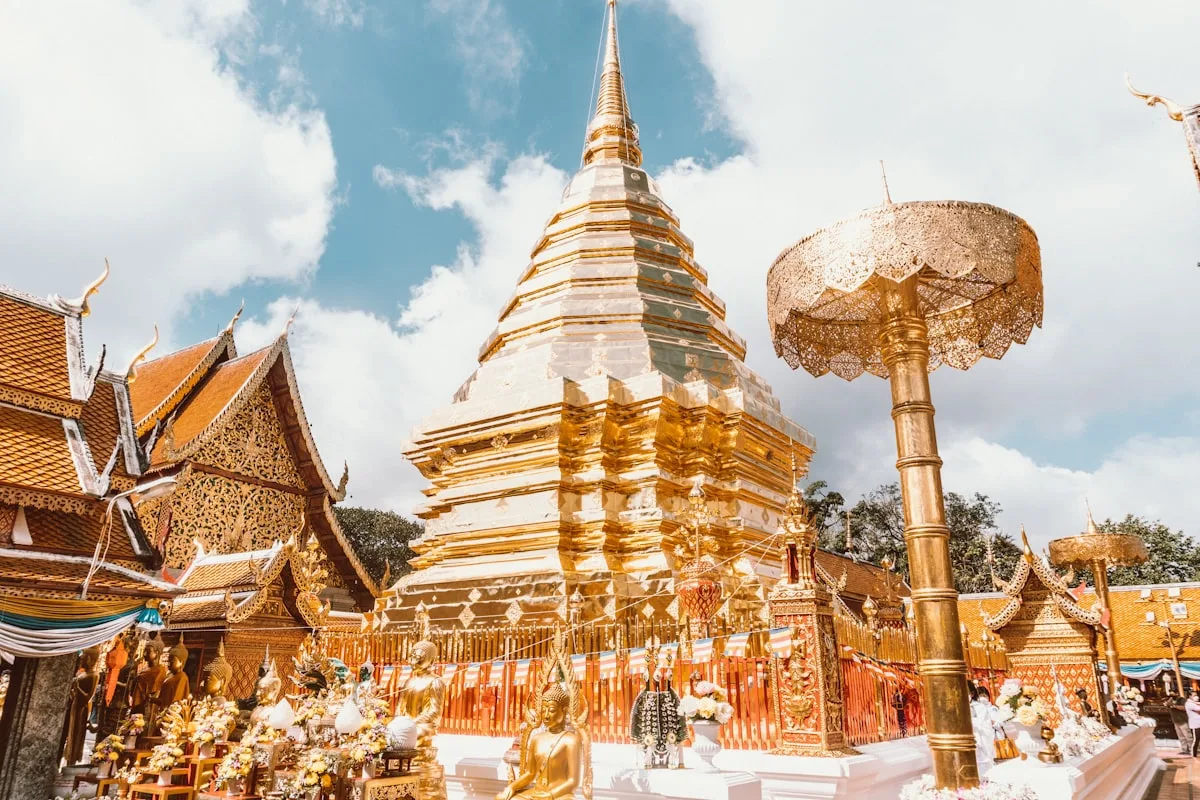
The central gilded bell-shaped chedi, flanked by four satellite spires, stands elevated on a square plinth with half-elephant buttresses protruding from the base. Re-gilded with thick brass-copper plates (Thong Jangko), it enshrines King Kham Fu’s relics and serves as the primary pilgrimage stupa for those born in the Year of the Dragon.
Last-Mile Logistics: On-The-Ground Practicalities
- Accessibility (Wheelchairs & Strollers): Ground surfaces across the courtyards are paved with wide, flat stone pathways accessible to wheelchairs and prams. However, Viharn Lai Kham and the main assembly hall have 3 to 5 steps at the entrance with no permanent ramps. Dedicated accessible restrooms are available at the rear of the compound.
- Payment Methods: Foreign entrance tickets at the Viharn Lai Kham kiosk are cash only (50 THB). Donation boxes and temple amulets accept Thai QR / PromptPay mobile transfers.
- Restrooms: Clean public restrooms are located behind the monastic school. A 5 THB maintenance fee is requested at the turnstile.
Seasonal Advisory
- Peak Cool Season (Nov – Feb): Perfect crisp weather. The famous Sunday Walking Street starts directly at the temple’s front gate. Arrive by 16:30 for photos, then step directly into the night market at 17:30.
- Songkran Festival (April 13–15): The Phra Buddha Sihing is paraded through Chiang Mai’s streets on an ornate golden float for civic water-blessing rites (Hae Phra Sihing). Expect dense festive crowds.
- PM2.5 Smog Season (Mid-Feb – April): Fine dust concentrations spike in the valley; wear an N95 respirator when walking the open-air courtyards.
Core Heritage Buildings Comparison
- Viharn Lai Kham — Late 14th Century, Classical Lanna Teak Hall, Phra Buddha Sihing / Folk Murals, 50 THB
- Viharn Luang — Rebuilt 1925, Grand Neo-Lanna Brick Hall, Phra Si Sanphet (Luang Por To), Free
- Ho Trai Library — Late 15th Century, Stucco-and-teak Scripture Tower, Stucco Deva Reliefs, Exterior only
- Phra Maha Chedi — 1345 CE, Golden Bell Stupa (Jangko), King Kham Fu Ashes / Dragon Zodiac, Free
Local Insider Tips
- Explore neighboring monumental ruins: read our guide to Wat Chedi Luang's 14th-Century Colossus
- Sunday night planning: coordinate your visit with the Sunday Walking Street Market
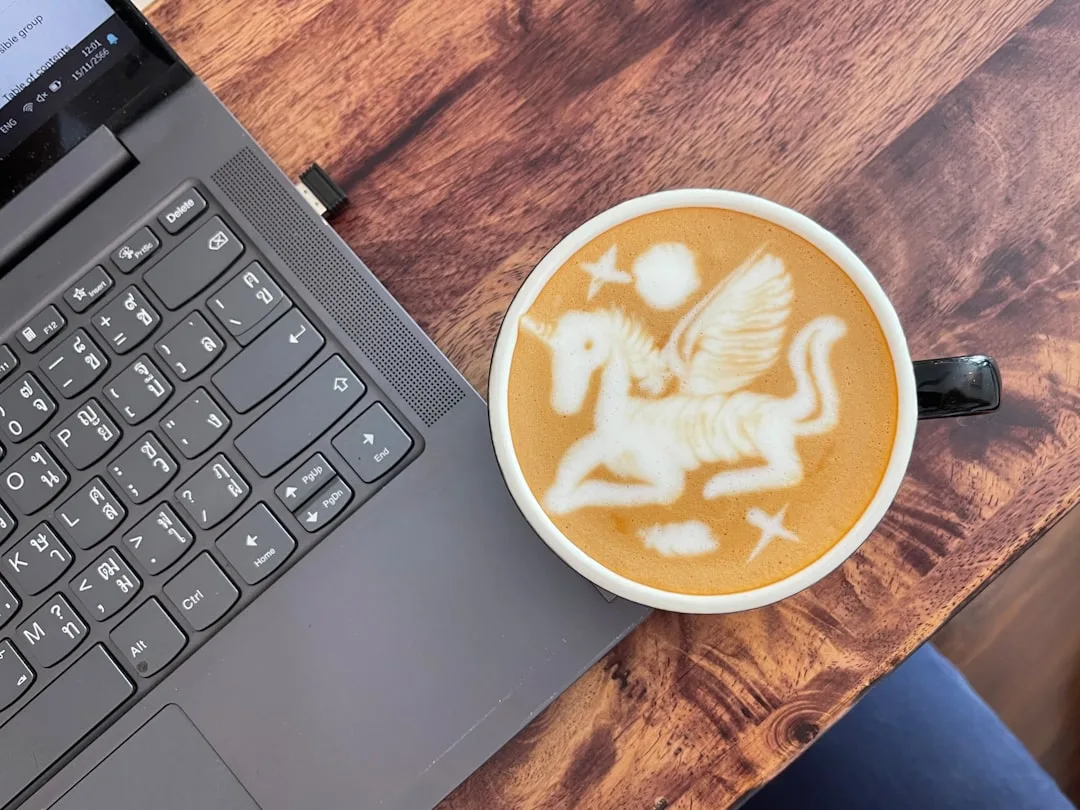
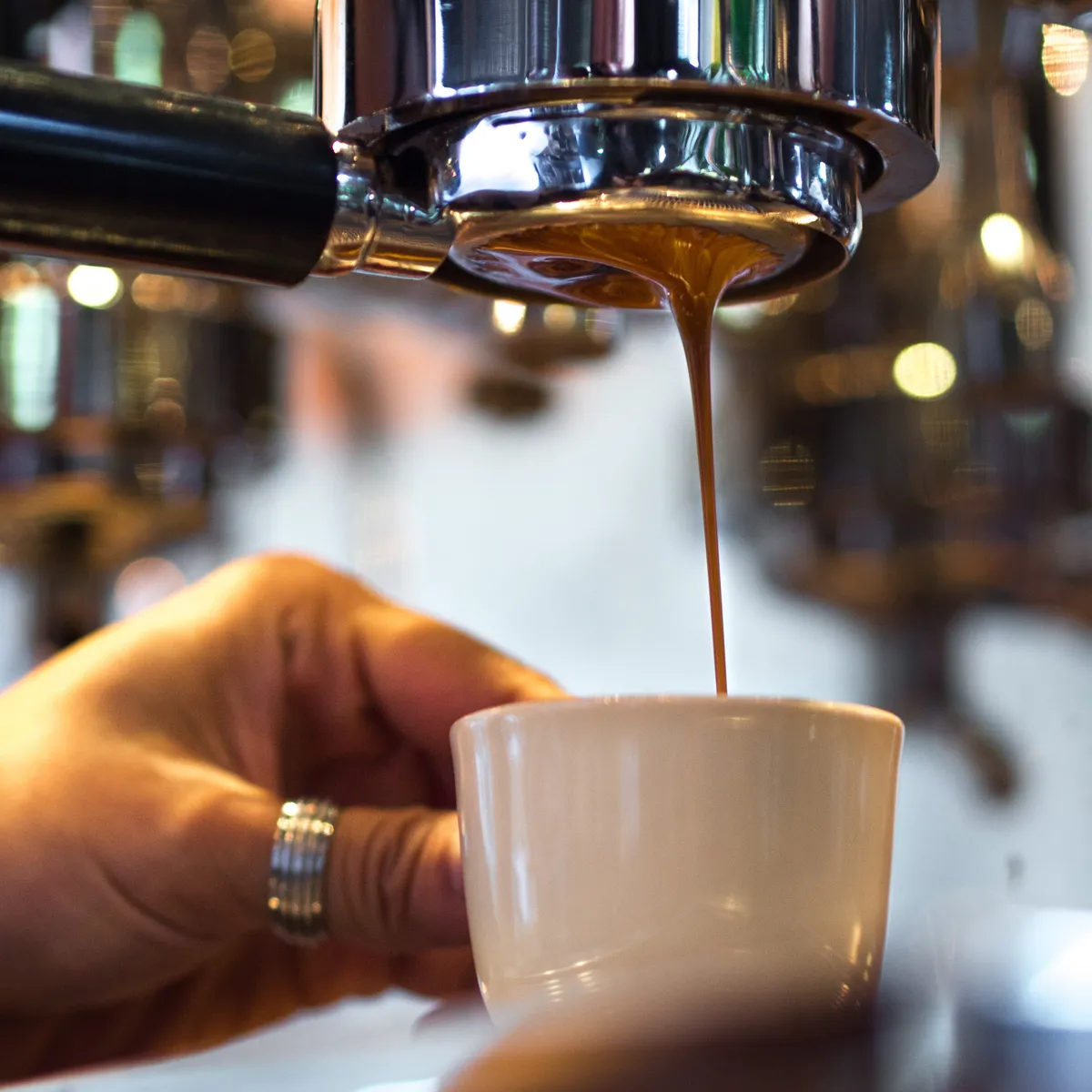
- Nearby specialty coffee: walk 3 minutes to taste Akha Ama Phrasingh single-origin pour-overs
Wat Phra Singh sits right in the heart of the Old City — combine your visit with the rest of the top things to do in the Old City, and for the full multi-temple route including the mountain relic shrine, read more in our temple-hopping circuit guide.
Experience Lanna Royal Heritage with Terra Lanna
Immerse yourself in northern Thailand's regal history with refined comfort. Book your stay at our handpicked luxury heritage boutique hotels in the Old City or reserve a curated private cultural temple tour with certified local historians through Terra Lanna.
Learn more: Chapter 3 (VI): Religion & Local Beliefs