






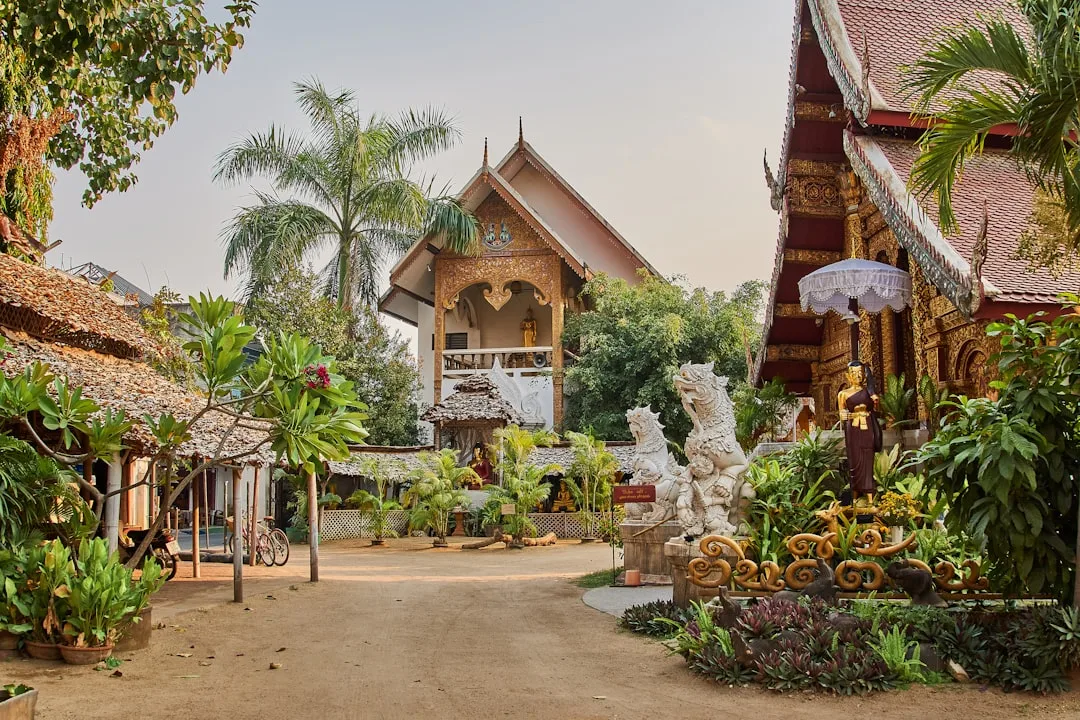







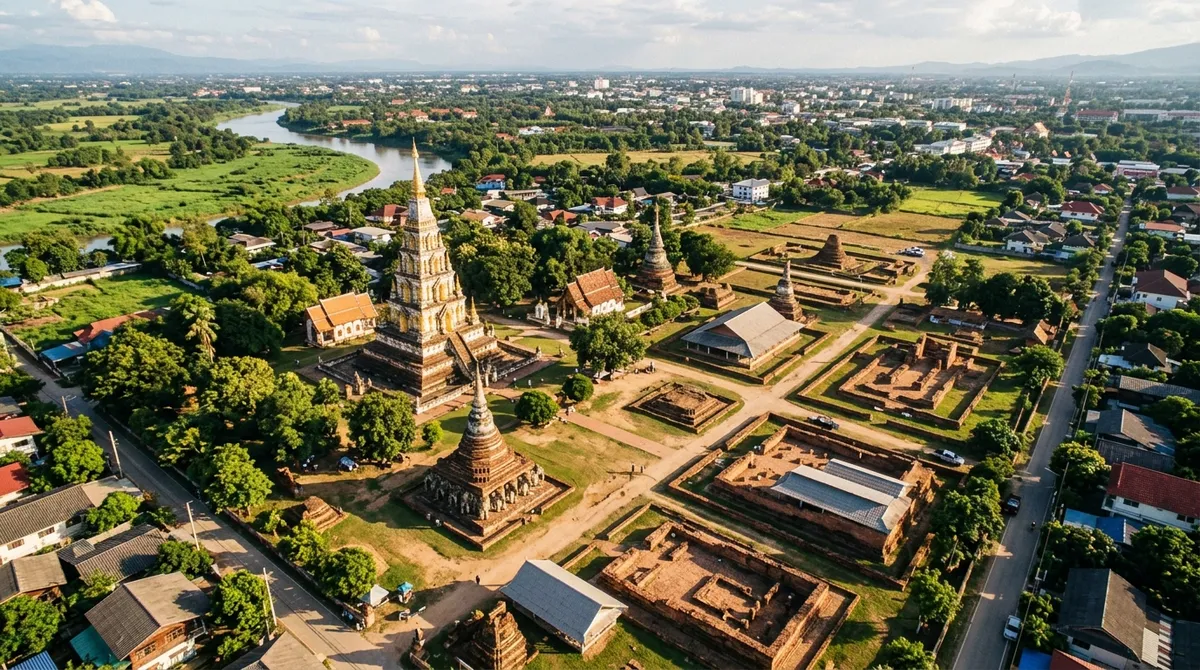
Wiang Kum Kam in Chiang Mai, located in the Saraphi district just 5 kilometers southeast of the Old City, is the forgotten first capital of the ancient Lanna Kingdom. Founded in 1286 CE by King Mangrai before establishing Chiang Mai, this rectangular fortified city was buried beneath 1.5 to 2 meters of river mud and silt by catastrophic flooding of the Ping River in the 16th to 18th centuries. Lost for over 300 years, the sunken ruins were unearthed by archaeologists in 1984. Today, this open-air archaeological park opens daily from 08:00 to 17:00 with free admission.
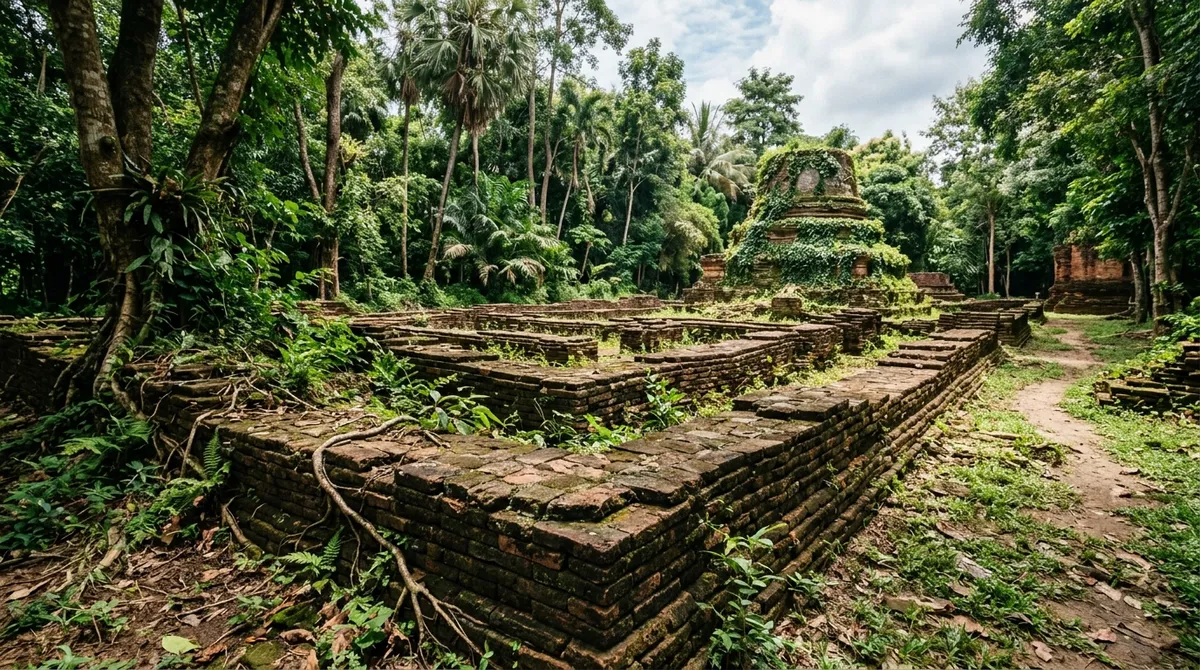
700 Years of History: The Rise, Flood, and Rediscovery of Lanna's First City
After conquering the Mon kingdom of Hariphunchai (Lamphun) in 1281 CE, King Mangrai sought an administrative stronghold commanding the fertile Ping River basin. In 1286 CE, he excavated moats on all four sides, diverted river water into the defenses, and inaugurated Wiang Kum Kam.
However, the low-lying basin proved prone to chronic flooding. Acknowledging the terrain’s vulnerability, Mangrai founded modern Chiang Mai on elevated ground to the north in 1296 CE, maintaining Wiang Kum Kam as a strategic river satellite. Between 1558 and 1774, under Burmese occupation, a catastrophic mega-flood caused the Ping River to divert its course permanently, submerging palaces, brick viharns, and stupas beneath deep layers of river silt. The forgotten city slept underground until 1984, when local villagers and the Fine Arts Department uncovered ancient inscribed terracotta votive tablets at Wat Chang Kham. Read more about King Mangrai’s founding of Chiang Mai in our complete Wat Chedi Luang guide.
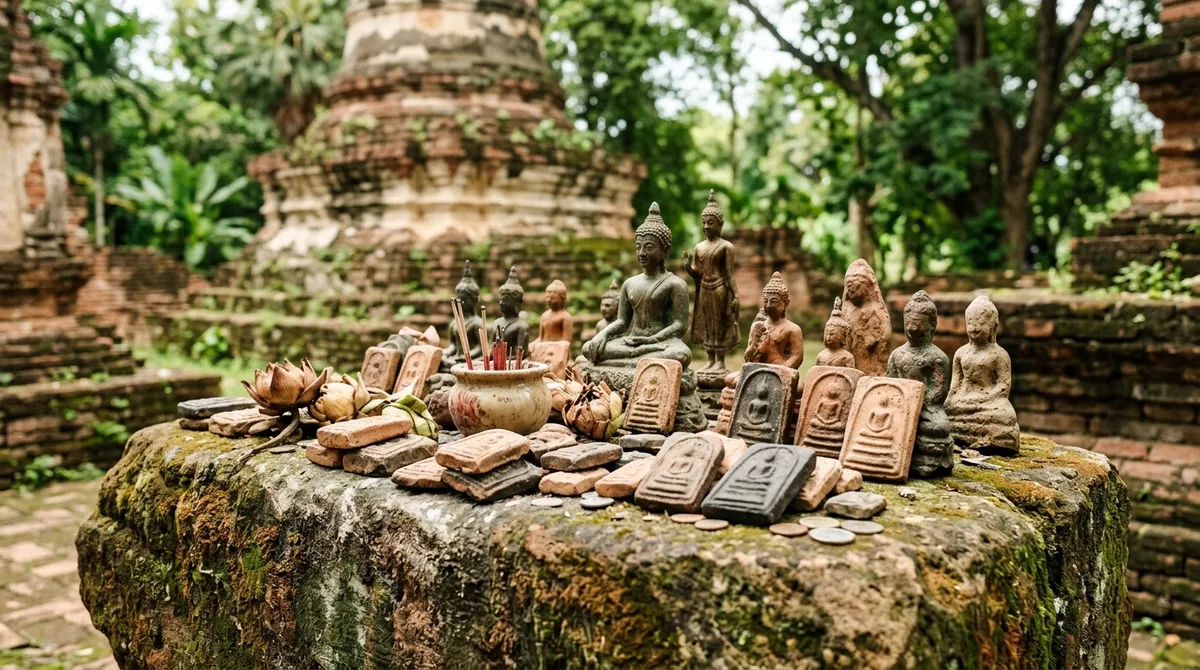
4 Must-See Archaeological Landmarks in Wiang Kum Kam
1. Wat Chedi Liam (Wat Ku Kham)
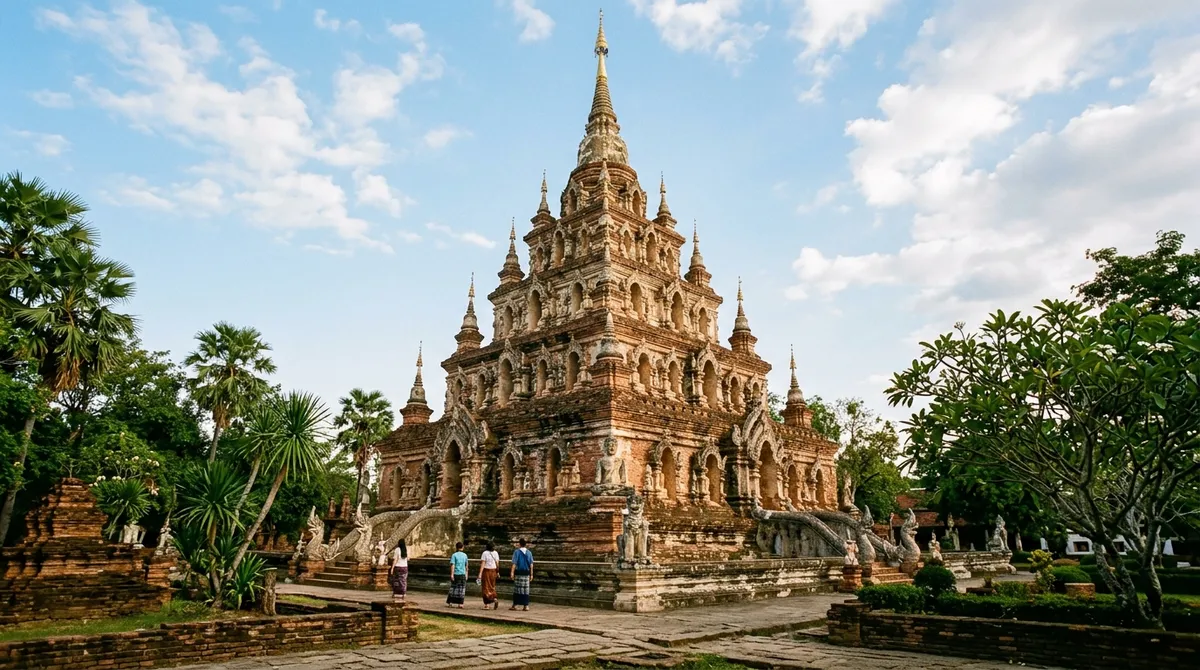
The only fully active living monastery among the ruins. Commissioned by King Mangrai in 1288 CE, its centerpiece is an intact 5-tiered square stepped pyramid chedi inspired directly by Wat Chamadevi in Lamphun. Featuring 60 standing Buddha statues ensconced within tiered arched niches, the spire was restored in 1908 by a wealthy Burmese teak merchant, resulting in an exquisite blend of Mon-Hariphunchai masonry and Burmese ornate plasterwork.
2. Wat Chang Kham (Wat Kan Thom) - The Excavation Starting Point

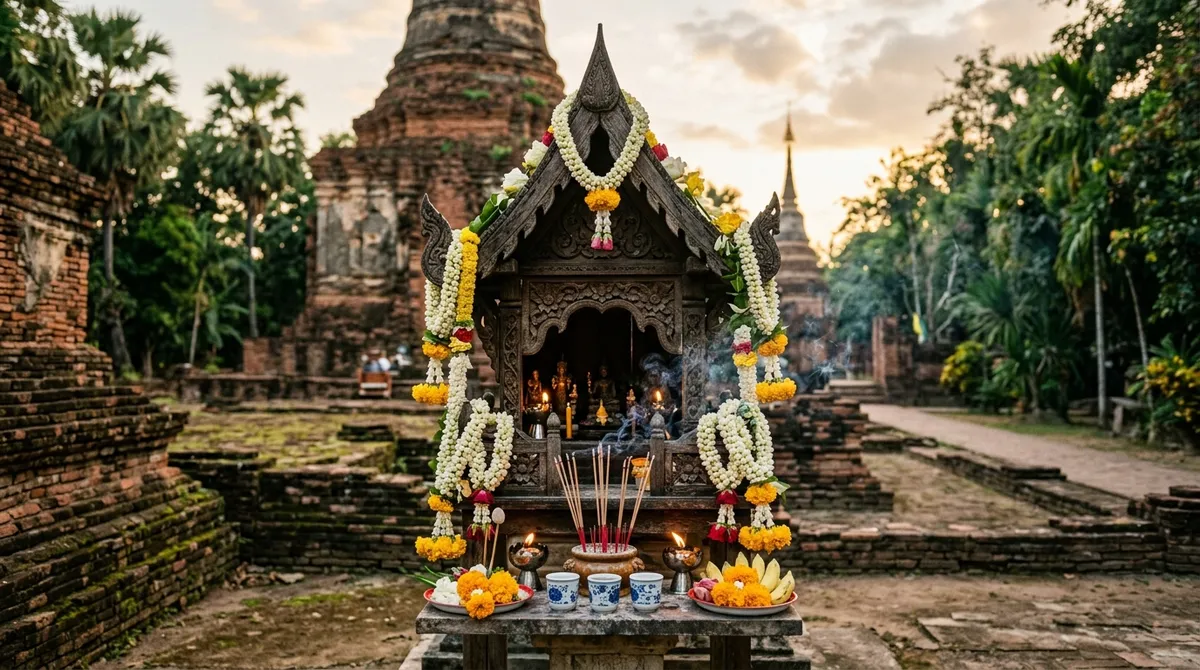
Built in 1290 CE, this was the first excavated site of modern Wiang Kum Kam. The complex features an ancient brick stupa base adorned with elephant caryatids (Chang Lom), a sacred Bodhi tree grown from seeds brought from Sri Lanka, a King Mangrai spirit pavilion, and excavated Hariphunchai-era terracotta tablets buried beneath the altar.
3. Wat Pu Pia
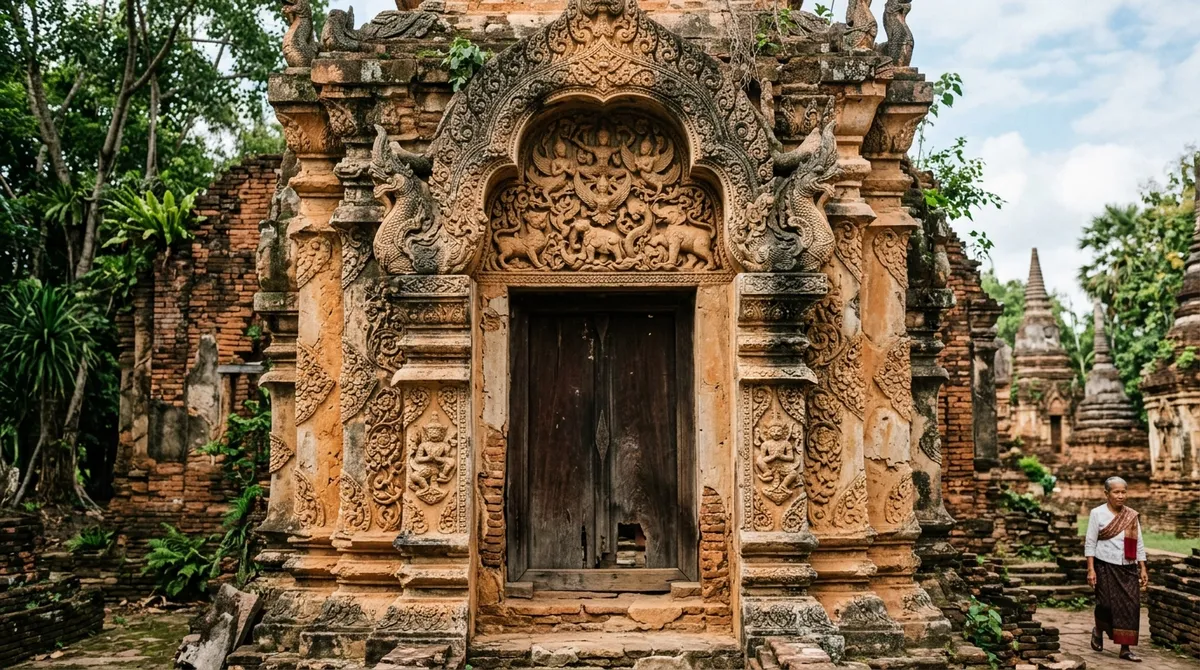
Widely celebrated as the most aesthetically balanced and photogenic ruin in the park. Its bell-shaped stupa on a high plinth retains intricate 14th-century stucco reliefs of celestial beings (Devas) framed within arched alcoves, with the viharn and ubosot aligned on a single sacred axis.
4. Wat E-Khang
Named after the langur monkeys (Khang in Northern Thai) that colonized the ruined brick mounds during centuries of abandonment. Its large stupa and prayer hall sit upon a unified brick terrace, displaying the most distinct cross-sectional soil stratigraphy of the flood silt layers that buried the city.
Transport Options for Exploring the Ruins
- Horse Carriage — 300 THB / carriage, 45–60 mins, 2–3 people, nostalgic and romantic; driver acts as local guide
- Electric Tram — 350–500 THB / group, 60–80 mins, 15–20 people, ideal for families and organized groups, with audio guide
- Bicycle Rental — 50 THB / bike / day, self-paced, 1 person, ideal for independent explorers who enjoy leisurely riding
- Rental Car / Grab — meter or app-based fare, flexible, 1–4 people, air-conditioned comfort but narrow village roads
Local Insider Tips
- Begin at the Information Center: Start at the official Wiang Kum Kam Information Center. Pay 10–20 THB to view the museum exhibits, study the 3D relief model of the buried city, and book your registered horse carriage or tram.
- Photography Lighting: The open-air brick ruins lack tree canopies. Arrive between 08:30 and 10:30 AM or 15:30 and 17:00. The low-angled sun illuminates the red bricks against rural greenery without the midday heat.
- Heritage Respect: Although scattered among modern residential orchards and village houses, these sites remain consecrated ground. Do not climb upon exposed brick walls, altars, or delicate stupa bases.
Wiang Kum Kam is only 5km from the Old City — easily combined with our Old City walking guide for a single-day heritage circuit.
Uncover Lost Lanna Heritage with Terra Lanna
Travel back in time to the very beginnings of northern Thai civilization. Reserve your stay at our handpicked heritage boutique hotels near the Ping River or book a private historical horse-drawn carriage tour of Wiang Kum Kam curated by local scholars at Terra Lanna.
Learn more: Chapter 3 (II): More Temples, Sites & Monuments