









Chapter 2: The Genesis of Vihara Buraphachan: The Golden Reliquary of Luang Pu Mun and the Sacred Footprint of Kuti Thanthakhet
Chapter 2: Genesis of Vihara Buraphachan: Enshrining Luang Pu Mun's bone and tooth relics in a golden Busabok, and the Kuti Thanthakhet heritage.
Spiritual Epiphany: From Nong Pheu to Chiang Mai's Hidden Treasure
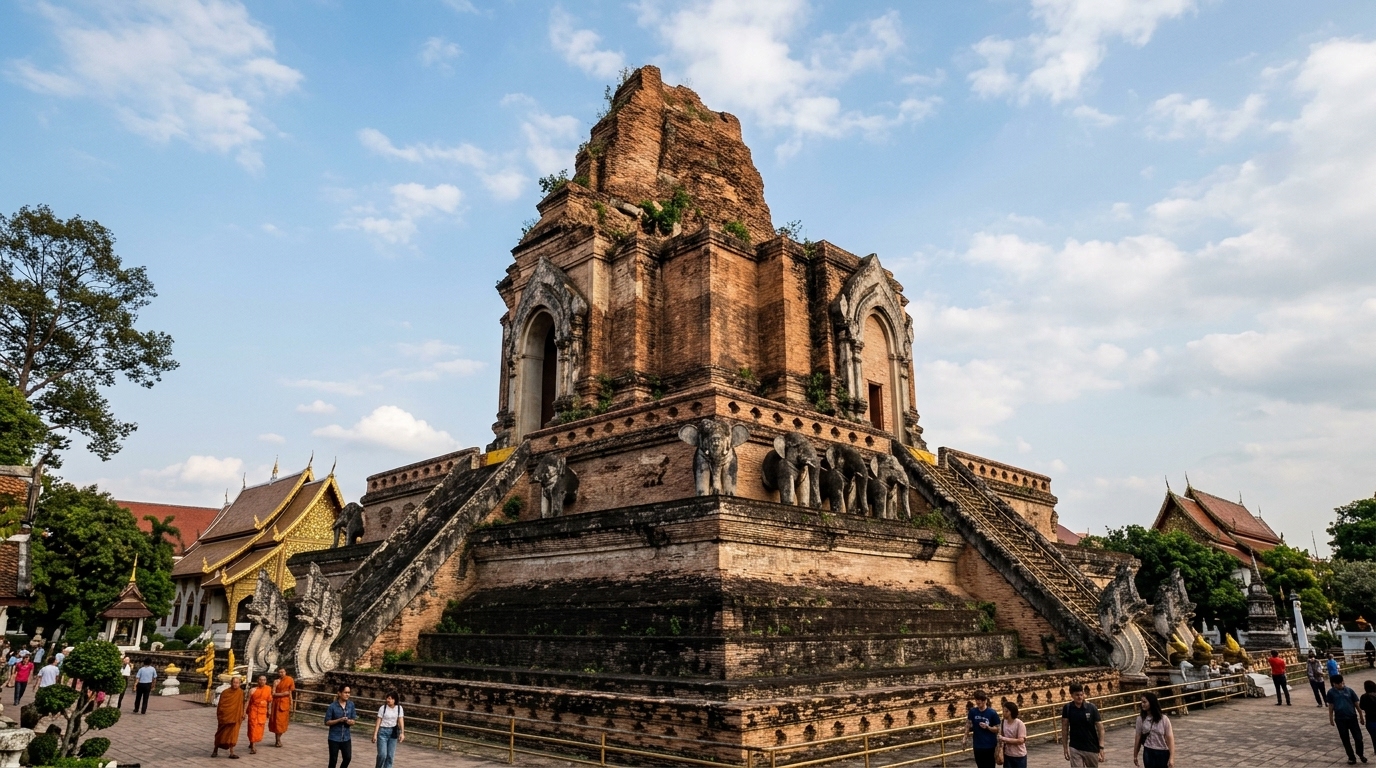
In October 2001 (B.E. 2544), following the Buddhist Rains Retreat, Chiang Mai disciples of the venerable Luang Ta Maha Bua Nanasampanno journeyed to Wat Pa Ban Nong Pheu in Sakon Nakhon Province to venerate the sacred bone relics (Athi Dhatu) of Phra Acharn Mun Phuritatto. While prostrating before the reliquary, a sudden flash of spiritual inspiration struck the pilgrims: within Wat Chedi Luang in Chiang Mai rested an identical, priceless treasure — the authentic bone fragments and molar tooth (Thantha Dhatu) of Luang Pu Mun, safeguarded in absolute obscurity within Kuti Jongjit 1 by Phra Palat Ket Wannako, the sole disciple in history ordained directly under Acharn Mun's personal preceptorship (Upajjhaya), who had received them following the royal cremation in 1950.
Realizing that this supreme spiritual inheritance should not remain hidden, the lay disciples resolved that an imperial-grade wooden shrine (Busabok) and sanctuary should be erected at Wat Chedi Luang to allow northern devotees to pay public homage. Returning to Chiang Mai, they presented their proposal to Phra Phuttha Photchanawaraphon (Jan Kusalo), Abbot of Wat Chedi Luang. The abbot rejoiced and granted wholehearted approval, commissioning Phra Khru Palat Suwattanawarakhun of Wat Pa Daraphirom — a master of classical Lanna ecclesiastical architecture — to draft the blueprints.
2 February 2002: The Historic Council of Forest Masters
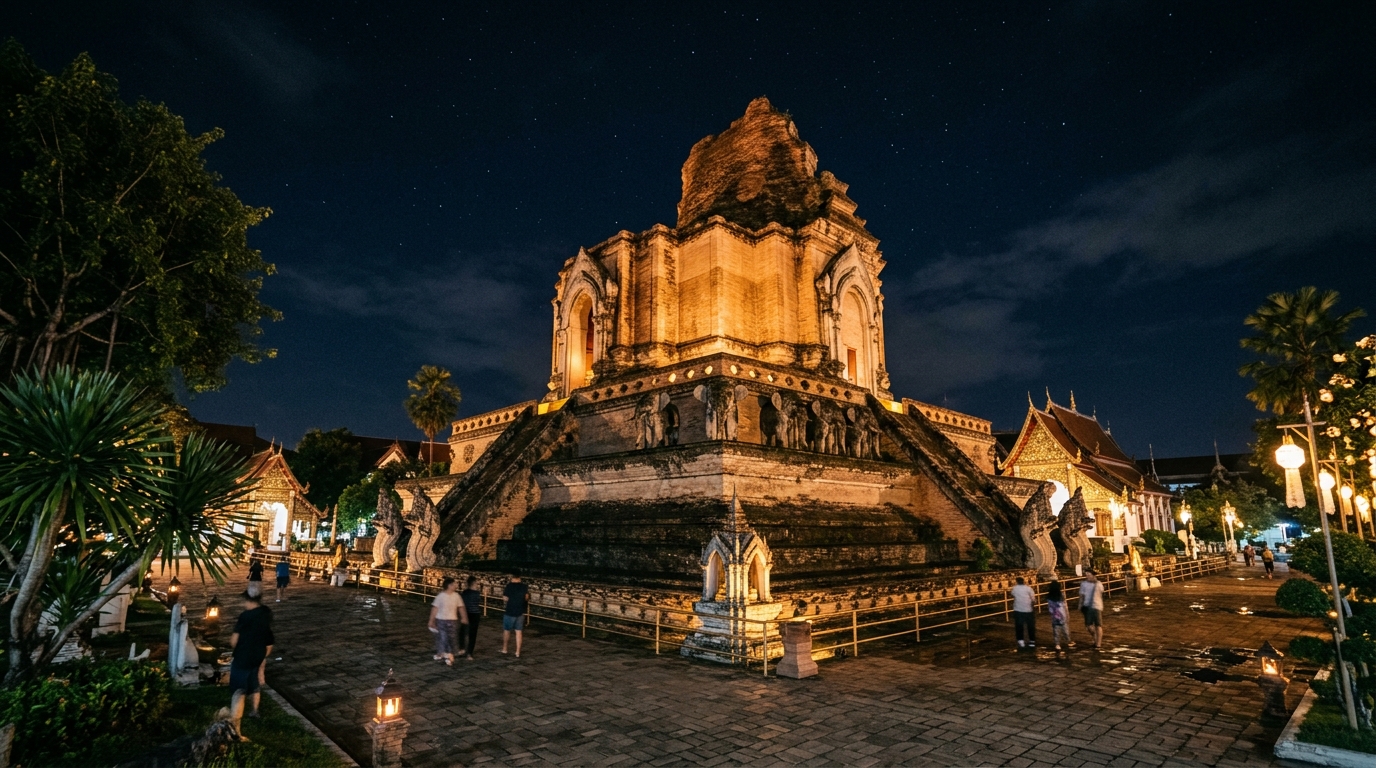
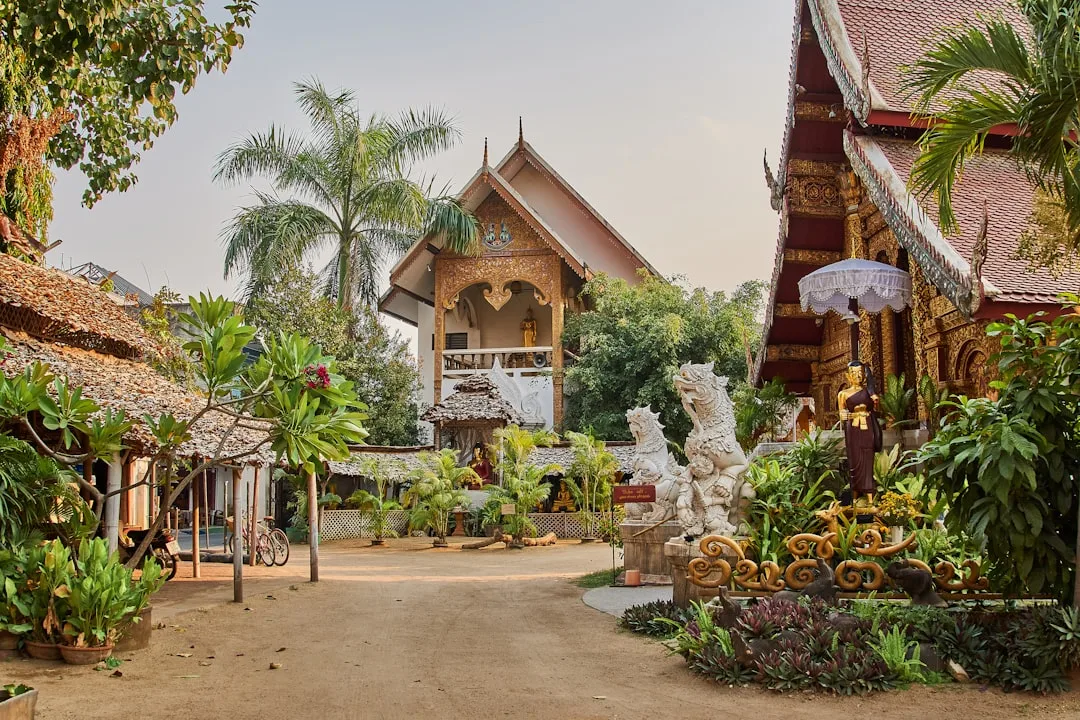
On Saturday, 2 February 2002 (B.E. 2545) at 09:09 AM, Luang Ta Maha Bua Nanasampanno personally presided over the foundation-stone laying ceremony for the Vihara Buraphachan (The Ancestral Master Sanctuary of Luang Pu Mun Phuritatto) on the western terrace of the Great Stupa. Modeled after the classical timber architecture of Wat Ton Kwen (Hang Dong District), the Vihara measures 8 meters in width by 12 meters in length. The 6-million-baht budget was anchored by a major philanthropic donation of 4,000,000 Baht from Khun Thawara Wanglee, with the remaining 2,000,000 Baht contributed by devotees nationwide.
At 16:00 PM that afternoon, a historic assembly unfolded on the eastern circumambulatory plaza of the Great Stupa. Twelve prominent first-generation forest masters — including Luang Pu Rian Varalafo, Luang Pu Jan-som Kittikaro, Luang Pu Thon Nyanadharo, Luang Pu Bunmee Paripunno, Luang Pu Phian Viriyo, Luang Pu Fak Santhadhammo, and Phra Acharn In-thawai Santussako — convened in full monastic regalia. Together, they conducted the lustral bathing and formal enshrinement of Luang Pu Mun's bone relics and molar tooth into an exquisite gilded teakwood Busabok, standing 4.80 meters high on a 1.24-meter carved plinth (valued at 250,000 Baht).
The Sacred Topography of "Kuti Thanthakhet"
The physical site chosen for Vihara Buraphachan was imbued with deep historical resonance: it sits precisely upon the footprint of the former "Kuti Thanthakhet".
Originally erected in the early 1930s by Phra Thanthakhet Prachanu-kan, warden of the Chiang Mai Provincial Prison, this rustic two-room timber-and-corrugated-zinc dwelling was donated to accommodate visiting forest ascetics. Crucially, this was the exact dwelling where Phra Acharn Mun resided during his tenure as Abbot of Wat Chedi Luang in 1932 (B.E. 2475). Furthermore, this modest hermitage served as the temporary urban retreat for other towering figures of the Forest Tradition in their youth, including Luang Pu Waen Sujinno and Luang Pu Sim Buddhacaro.
Though the original wooden hut had weathered and was eventually dismantled to clear the monastic courtyard, the erection of Vihara Buraphachan upon its exact geographical coordinates spiritually reactivated this sacred ground, transforming the historical dwelling of the master into the permanent spiritual epicenter of the Thai Forest Tradition in Northern Thailand.