














Chapter 3: Wat Ton Kwen Vihara: The Crowning Jewel of Lanna Wooden Architecture and the Blueprint for Vihara Buraphachan
Chapter 3: Wat Ton Kwen Vihara: Decoding Lanna's crowning timber architecture, the Chom Thong relic station, 1,056 metal tablets, and the blueprint for Vihara Buraphachan.
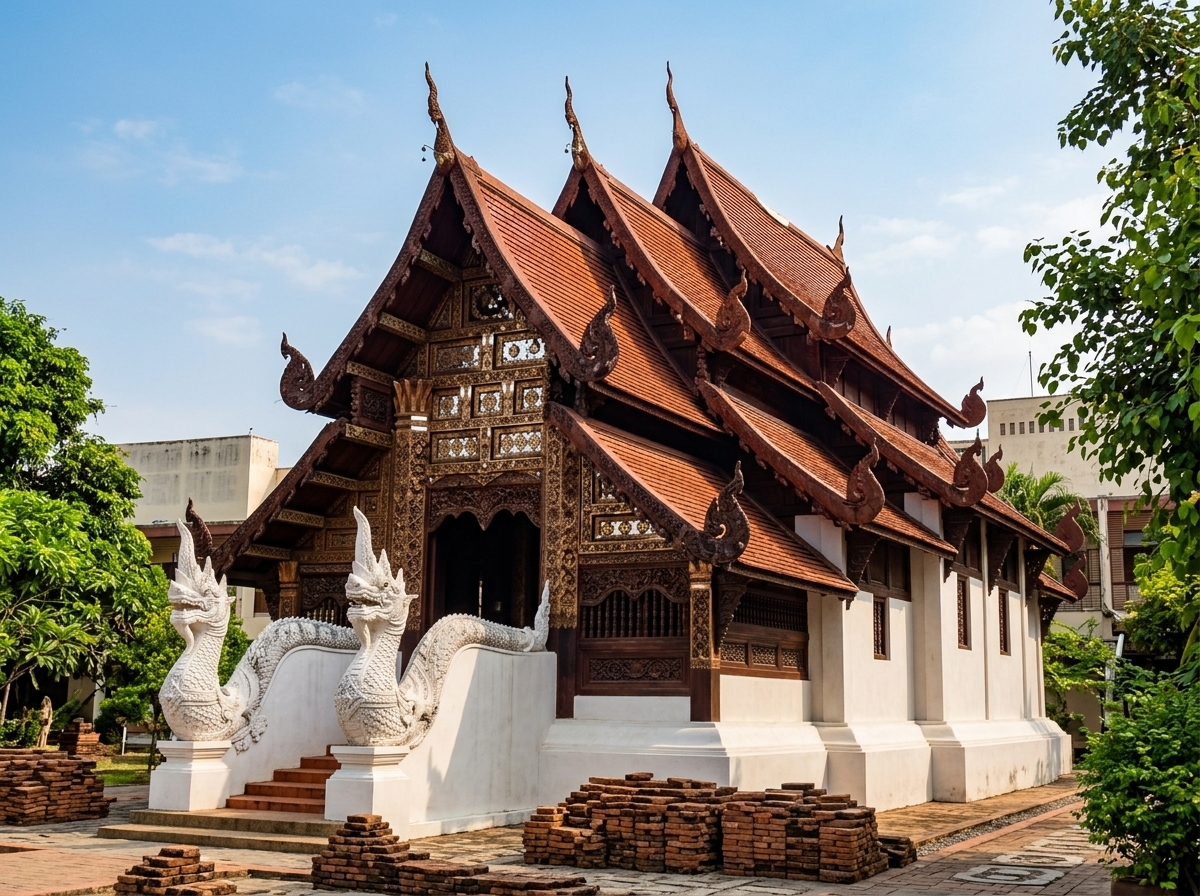
The Classical Prototype: Wat Ton Kwen and the Sacred Chom Thong Relic Route
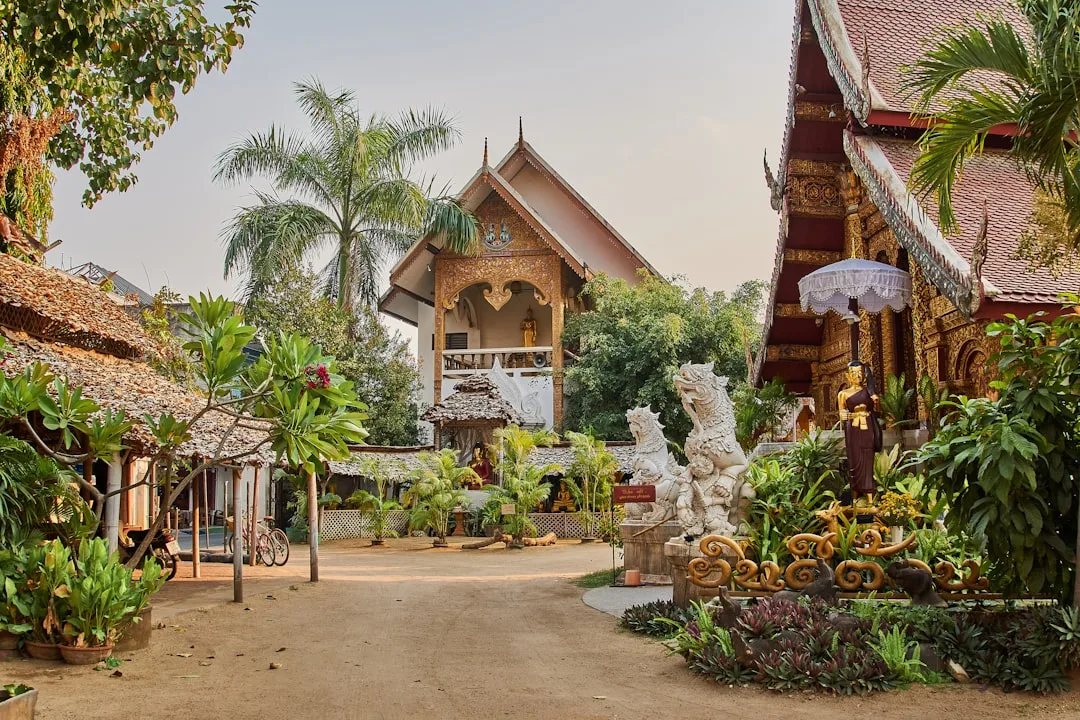
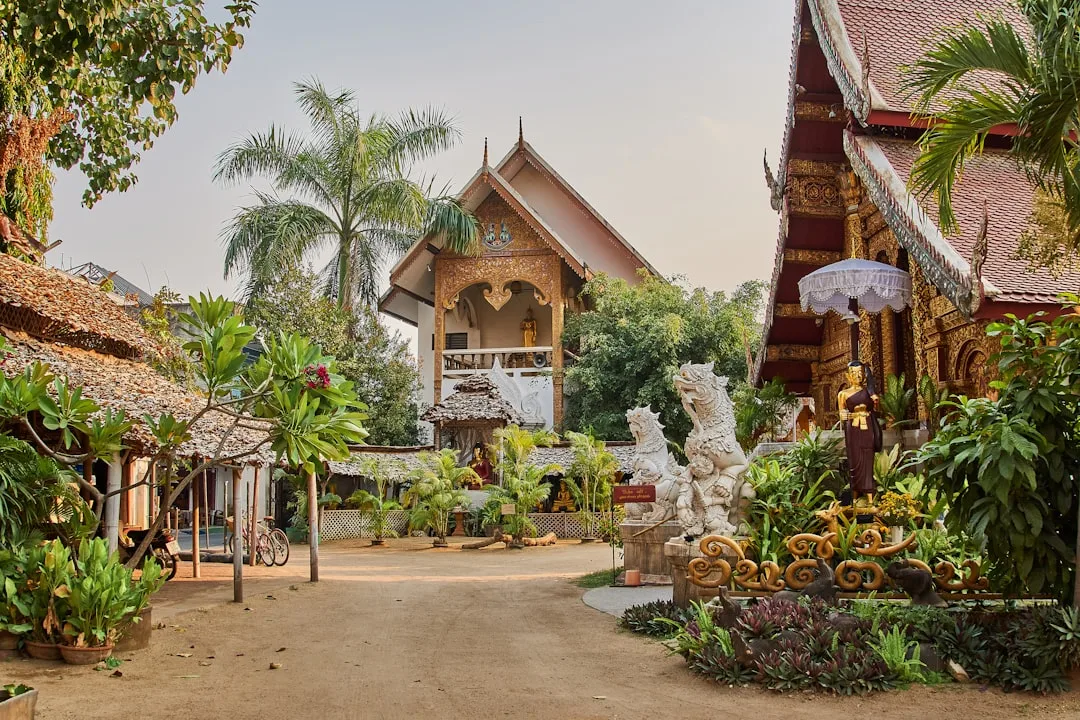
When the monastic council of Wat Chedi Luang Worawihan resolved to construct the "Vihara Buraphachan" to enshrine the sacred relics of Phra Acharn Mun Phuritatto, they rejected modern concrete templates. Instead, their vision turned southwest to Tambon Nong Kwai in Hang Dong District, seeking inspiration from Wat Ton Kwen (Wat Intharawat) — celebrated globally by architectural historians as the most pristine, unaltered surviving archetype of classical Lanna vernacular wooden architecture in existence.
Founded between 1856 and 1869 CE (B.E. 2399–2412 / C.S. 1218–1231) during the reign of Chao Kawilorot Suriyawong (6th Ruler of Chiang Mai), the temple was originally named after the indigenous wild Ton Kwen trees that forested the terrain. Later, it was officially designated Wat Intharawat after its founding abbot, Phra Khru Ba Intha.
Historically, Wat Ton Kwen was indispensable as the official ceremonial waystation (Thi Phak Khabuan) for the annual procession of the venerated Phra That Si Chom Thong Buddha Relic. Following northern imperial custom, when the golden relic casket was conveyed from Chom Thong into the capital, the procession paused at Wat Ton Kwen, enshrining the relic within its open-air cruciform pavilion (Mondop Chatumuk) for two to three days to permit rural communities to perform elaborate lustral bathing rituals before the relic entered Chiang Mai's city gates.
The 1858 Teak Sanctuary and the Wall of 1,056 Votive Tablets
Inscribed in ancient Lanna script (Tua Mueang) on the northern ceiling beam, the timber Vihara was completed in 1858 CE (B.E. 2401 / C.S. 1220). The sanctuary exhibits peerless architectural harmony:
- Form and Proportion: A single-story, open-sided teakwood hall covered with cascading, multi-tiered gables roofed with traditional clay tiles (Krabueang Din Kho). The pediments, bargeboards, and roof ridges are carved with interlocking vegetal arabesques, floral festoons, and serpentine Naga finials (Cho Fa and Hang Hong).
- The Wall of 1,056 Cast Metal Tablets: An extraordinary decorative feature behind the brick-and-stucco presiding Buddha is an integrated wooden screen adorned with 1,056 antique cast-metal votive tablets (Phra Phim) mortised into individual niches. These comprise two iconography types: Maravijaya Bodhi-leaf tablets (2 x 4 cm) and Naga-protected Buddha tablets (3 x 5 cm). Though partially looted during the mid-20th century, this mosaic reflects intense ancestral devotion.
- The Sacred Ensemble: The walled precinct includes an open-sided cruciform pavilion (Mondop Chatumuk), an intact U-shaped perimeter cloister (Sala Rai) enclosing the courtyard, and the historic wooden lustral water trough named "Sukhonthasindhutara", through which scented water flowed over the holy relic.
In recognition of its flawless historic authenticity, the Association of Siamese Architects under Royal Patronage (ASA) conferred its prestigious "Outstanding Architectural Conservation Award" upon Wat Ton Kwen in 1989 (B.E. 2532).
Transposing Heritage: The Architectural Soul of Vihara Buraphachan
Because Wat Ton Kwen embodied the very essence of Lanna monastic aesthetics — modesty, sublime timber craftsmanship, and meditative serenity — Abbot Phra Phuttha Photchanawaraphon (Jan Kusalo) and architect-monk Phra Khru Palat Suwattanawarakhun selected its ground plan as the architectural and spiritual archetype for Vihara Buraphachan (The Luang Pu Mun Memorial Hall) at Wat Chedi Luang.
Measuring 8 meters in width by 12 meters in length, the new sanctuary at Wat Chedi Luang scrupulously mirrored Wat Ton Kwen's tiered roof pitches, master woodcarvings, and open-sided colonnades. By replicating this 19th-century masterpiece to enshrine Luang Pu Mun's golden reliquary, the builders ensured that the memory of the great forest ascetic would be housed within the purest architectural expression that Northern Thai culture ever produced.