











History of Wat Suan Dok Part 6: The Restoration Era of King Kawila and Princess Dara Rasmi's Enshrinement of the Royal Lanna Reliquaries
Explore Wat Suan Dok Part 6: King Kawila's restoration and Princess Dara Rasmi's 1909 establishment of the Northern Royal Reliquaries (Ku).
The Resurgence of the Royal Monastery under King Kawila
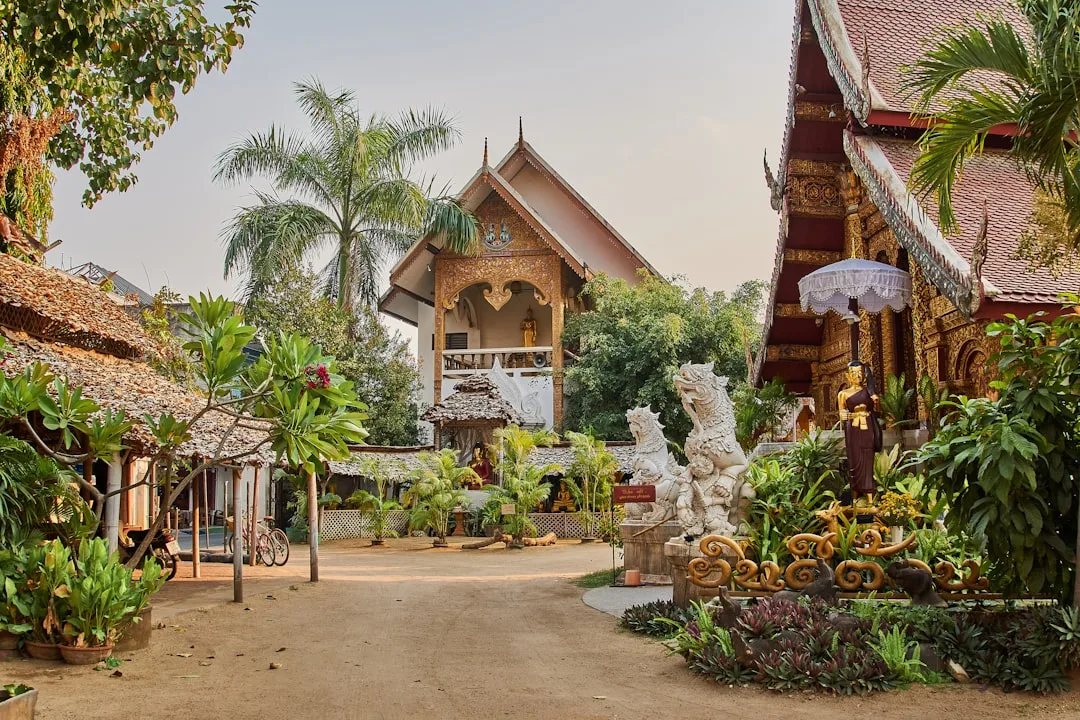
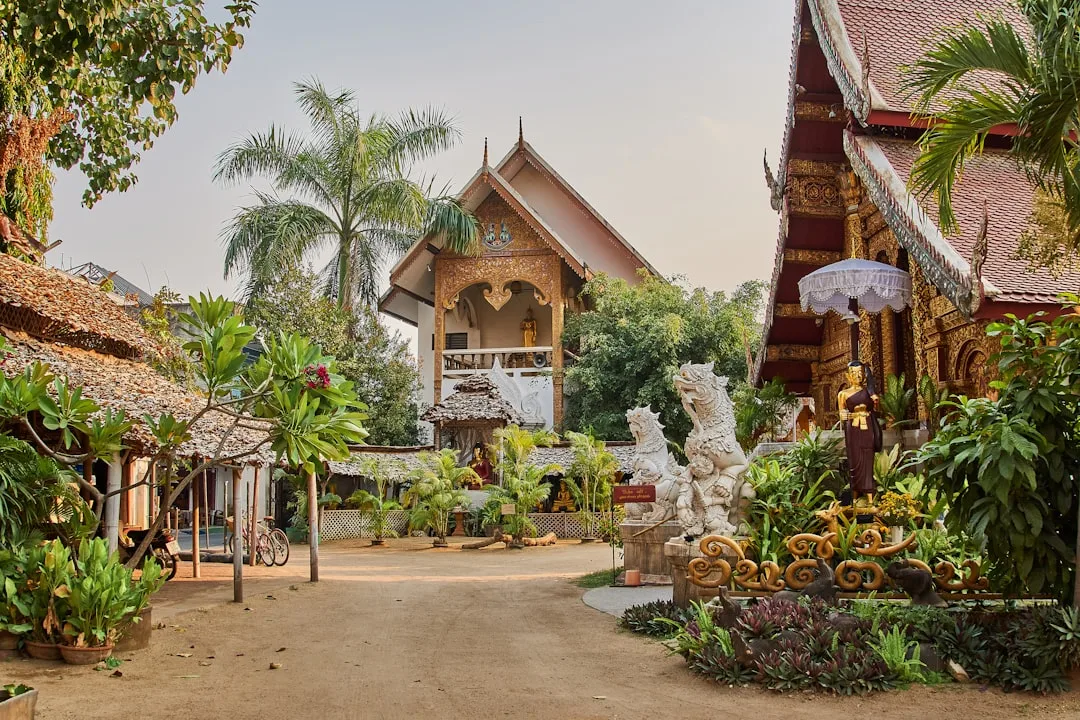
Following more than two centuries of Burmese hegemony, Wat Buppharam (Wat Suan Dok)—once the flourishing epicenter of the Sihala/Lankavamsa monastic lineage—had deteriorated into a near-deserted forest temple overgrown by jungle flora. When King Kawila Suriyawong successfully liberated Chiang Mai and re-established sovereign Lanna authority, he prioritized the revitalization of the Buddhist Sasana. In 1814 (B.E. 2357), King Kawila formally reinstated the northern ecclesiastical hierarchy, appointing Phra Maha Wachirapanya (a revered forest monk of Wat Suan Dok) to the supreme monastic rank of "Khru Ba Phra Maha Ratchakhru", establishing him as the Supreme Patriarch of Chiang Mai.
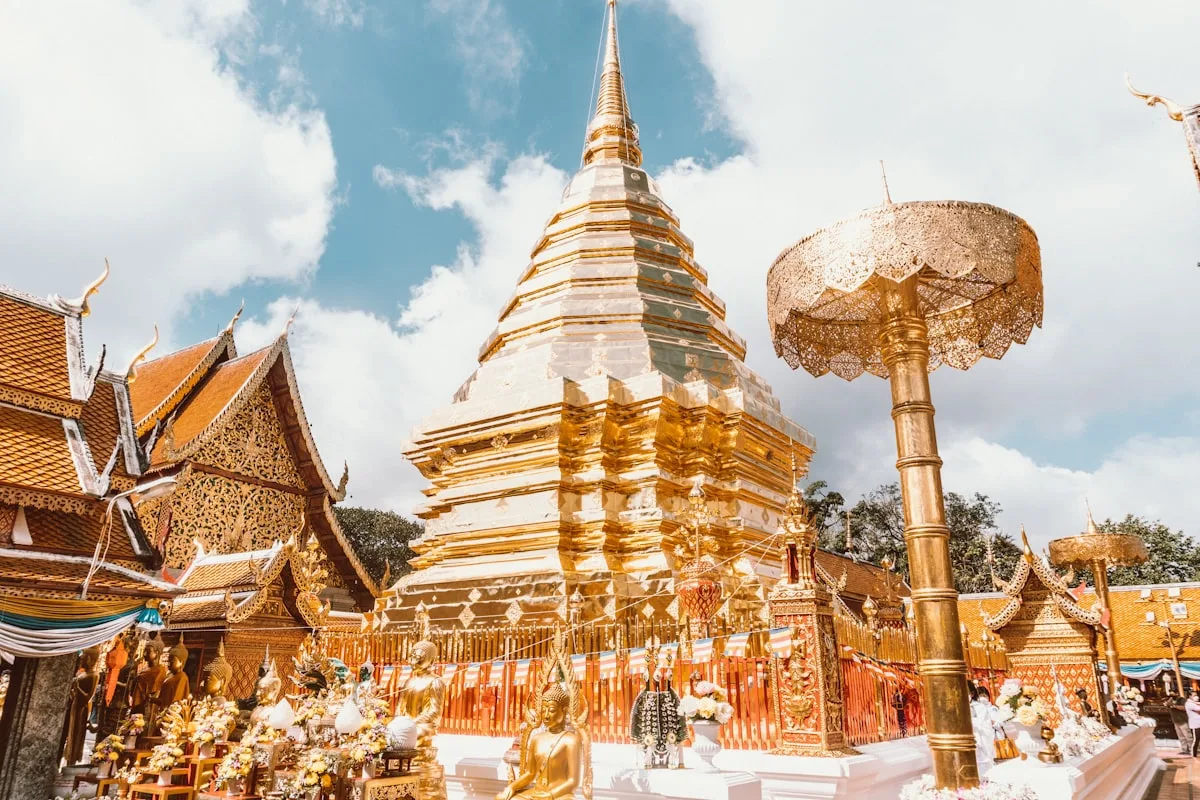
During the subsequent reign of Chao Luang Kham Fan (Suphatthra), the royal library (Ho Monthian Tham) housing the Tipitaka manuscripts was meticulously restored. When Kham Fan concluded his monastic retreat at Wat Chiang Man to ascend the throne of Chiang Mai, royal protocol dictated that his coronation chariot proceed west to Wat Suan Dok to receive formal blessings from the Maha Ratchakhru. Later, in 1826 (B.E. 2369), Chao Luang Phutthawong led the northern aristocracy in elevating a gilded ceremonial umbrella (Chat) atop the great Suan Dok Reliquary Stupa.
In his final years, seeking ascetic seclusion from growing crowds of worshippers, the Maha Ratchakhru founded a forest hermitage southwest of the compound, known historically as "Wat Suan Dok Noi", residing there until his passing at age 84. The main monastery then entered a brief period of quiet decline, guarded primarily by an elderly monk named "Sadhu Chao Upala," who maintained the Vihara of Phra Chao Kao Tue amidst creeping wilderness.
Princess Dara Rasmi and the Enshrinement of the Royal Tombs (1909)
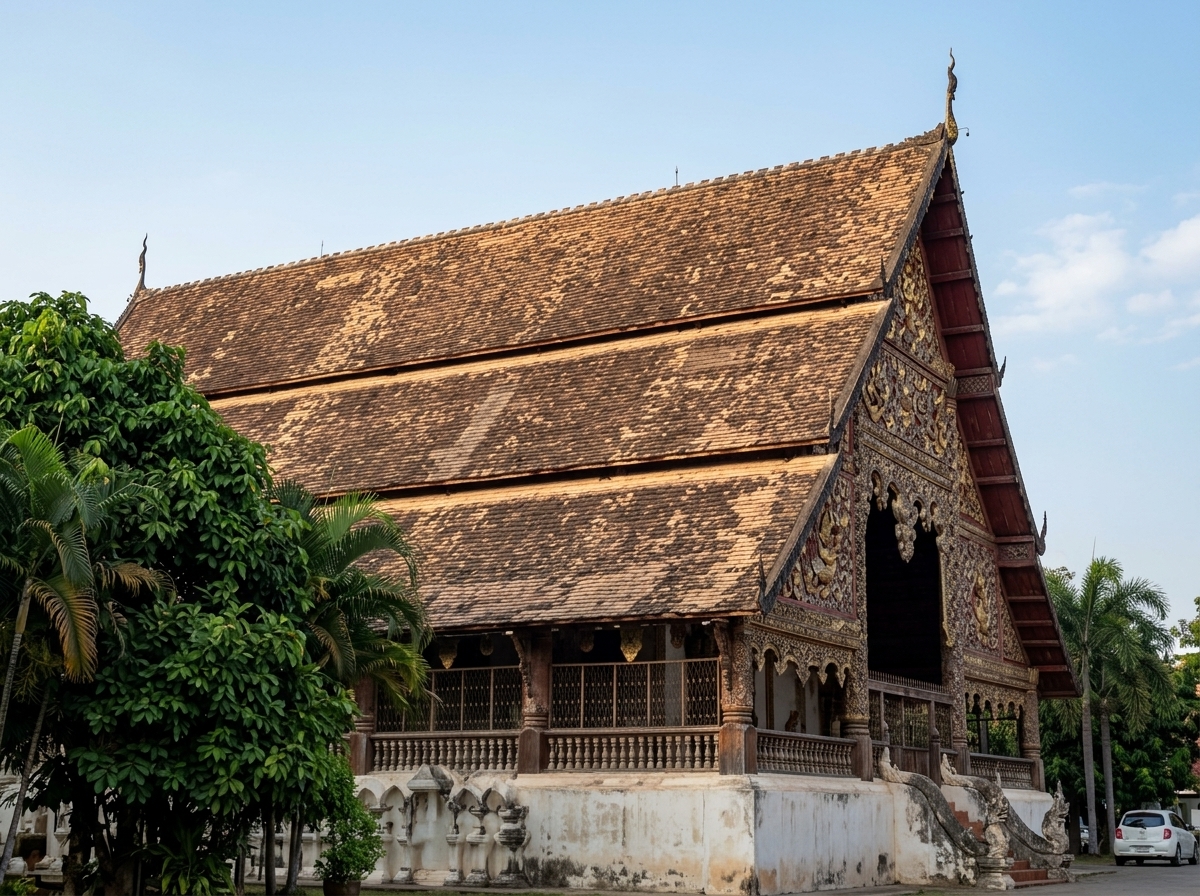
The defining modern transformation of Wat Suan Dok occurred in 1909 (B.E. 2452) under the royal patronage of Princess Dara Rasmi, the royal consort of King Chulalongkorn (Rama V of Siam). The Princess observed that the ancestral reliquary stupas (Ku) holding the cremated remains of Chiang Mai's ruling princes and the Royal House of Na Chiangmai—historically situated on the west bank of the Ping River at Khuang Meru—were increasingly compromised by expanding commercial settlements.
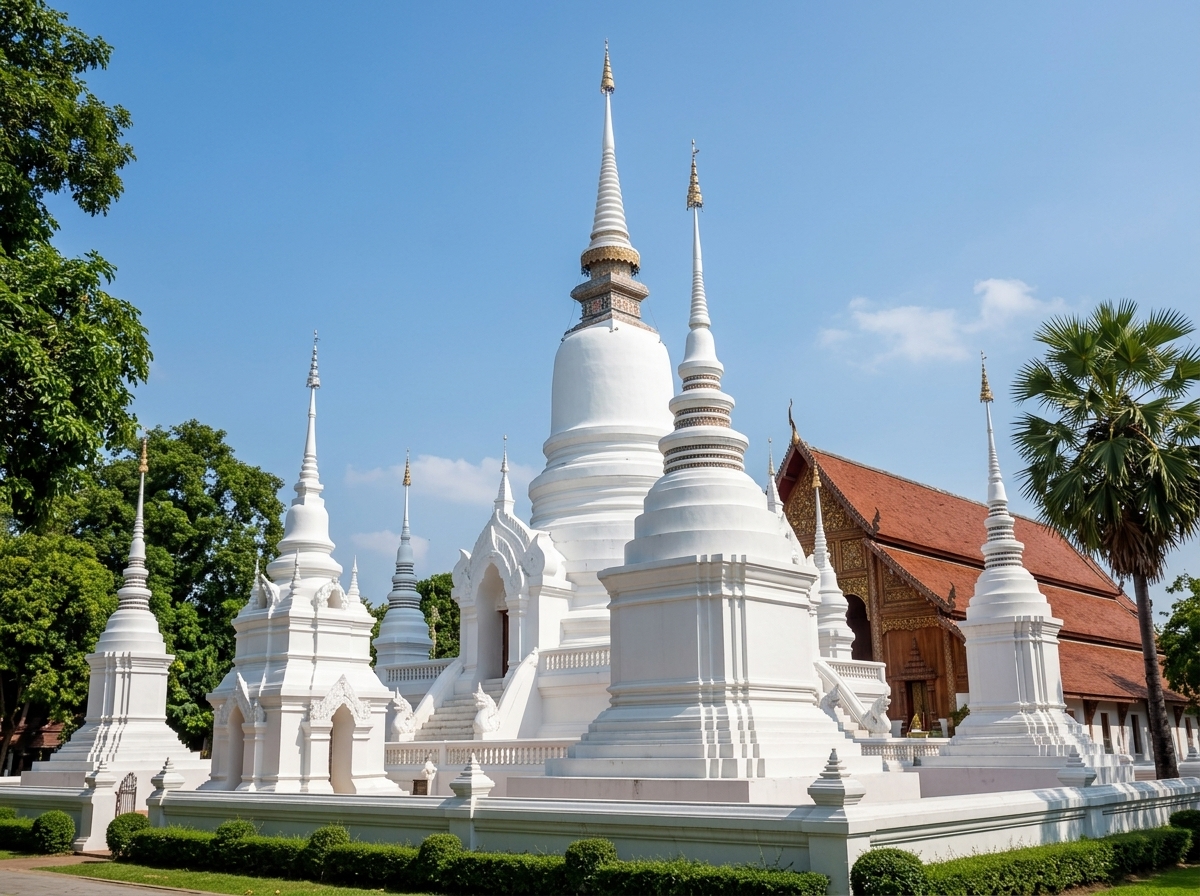
Demonstrating profound filial piety and strategic urban foresight, Princess Dara Rasmi orchestrated the formal disinterment and transfer of the royal ashes of all past Chiang Mai dynasts, from King Kawila down to her father, King Inthawichayanon. The royal remains were re-enshrined in a consecrated precinct west of Wat Suan Dok's main stupa, enclosed within a stunning ensemble of whitewashed Lanna-European fusion funerary stupas known as the "Ku Chao Nai Fai Nuea" (Tombs of the Northern Royalty).
This monumental initiative achieved a dual legacy: it liberated the prime riverside real estate for public commerce (transforming the former cremation grounds into the thriving Warorot and Ton Lamyai Markets), while perpetually enshrining Wat Suan Dok as the Imperial Necropolis and Sacred Pantheon of the Lanna Dynasty.