★ 9.4/10 EXCEPTIONAL ON AGODA & BOOKING.COM • ROYAL FLORA RATCHAPHRUEK CERTIFIED
Overnight Nature Farmstay • KAS Farmstay
KAS Farmstay (Private Farmstay Tent & Campfire)
Experience a peaceful private farmstay amidst our organic orchards in Lamphun. Cozy tent glamping, evening campfires under starry skies, and organic garden-fresh mookata BBQ. Official online booking is now live.
A collection of translated rare books on Lanna history and culture
Terra Lanna is gathering and translating rare books on Lanna history, beliefs, and way of life — preserving these stories and sharing them with readers everywhere.
Sort by:
Listen to Lanna Stories
Translating and gathering books — coming soon
Contact Us
Talk to us, or share your feedback to help us improve and grow.
Our Hotel
NampiangdinBoutique Hotel
4-Star Lanna Boutique Hotel in the Heart of Chiang Mai
★★★★ 4-Star Boutique46 Rooms15 Min from AirportFree Airport Transfer
Nampiangdin Boutique Hotel is a 4-star boutique property blending ancient Lanna architecture with modern comfort. Located in central Chiang Mai, 15 minutes from the airport, with a warm atmosphere, heartfelt service, a lush garden, outdoor pool, and a restaurant featuring local ingredients.
Rooms
Choose the ExperienceThat's Right for You
All rooms feature a private balcony, pool view, AC, free WiFi, minibar, and breakfast included
Sorted by guest review score — prices updated daily
Active & Available in Chiang Mai
Your Eyes, Ears & Boots on the Ground in Chiang Mai
Moving, investing, or sourcing in Northern Thailand? We provide what no remote tool or overseas agency can ever match: genuine local presence, native northern dialect negotiation, and zero-bias on-site execution.
Why Technology Cannot Replace Local Boots on the Ground
Overseas expats, digital nomads, and remote investors face significant friction when managing property or sourcing in Northern Thailand. Having trusted on-the-ground representation eliminates risks, protects your budget, and gives you total peace of mind.
Common Pitfalls of Managing Remotely
Misleading Listings: Online photos are frequently edited or years out of date. In reality, properties may have hidden mold, weak water pressure, noisy air-conditioning, or loud construction right outside your window.
Unwarranted Price Markups: Without local Thai and Northern dialect negotiation skills, foreigners often face inflated quotes—paying 20%–40% above true local market rates for rent, contractor labor, and artisan craft manufacturing.
Unreliable Wi-Fi Claims: Landlords routinely advertise 'high-speed internet' that turns out to be congested shared building Wi-Fi with high latency, dropping client Zoom calls and disrupting remote work.
Zero On-Site Emergency Recourse: When an air conditioner leaks, plumbing bursts, or a guest locks themselves out late at night, remote coordination across time zones is stressful and ineffective.
The Terra Lanna Advantage
Objective High-Definition Video Inspections: We physically inspect every corner of the property, testing plumbing pressure, air-con odor, noise decibels, and surrounding neighborhood conditions without bias.
Direct Native & Northern Dialect Negotiation: We speak fluent Thai and Kam Mueang directly with landlords, technicians, and workshop owners—securing authentic, fair local terms and lease conditions.
Certified On-Site Speedtests: We plug in directly to run certified Ookla Speedtests (measuring ping latency, jitter, download, and upload speeds) before you commit to any rental deposit.
Trusted Keyholding & Urgent Dispatch: Permanently stationed in Chiang Mai, ready to handle emergency lockout rescues, supervise contractors, and deliver structured photo/video reports directly to you.
Our 4 Core Capabilities
What Overseas Clients Hire Us to Do
Four specialized on-the-ground services tailored for expats, remote entrepreneurs, Airbnb owners, and international media agencies.
For Nomads & Expats
Local Fixer & Personal Assistant
Your personal problem solver in Chiang Mai. Whether you are landing soon or already living here, we eliminate bureaucratic stress, rental headaches, and language barriers.
Core Focus
Condo pre-lease walk-throughs, Wi-Fi stability tests, lease negotiation to kill farang markups, parcel reception, and initial government/immigration logistics guidance.
Key Deliverables
Detailed video walkthrough & timestamped photo inspection
Live Ookla Wi-Fi speedtest (latency, download/upload speeds)
Lease contract review & direct Thai landlord negotiation
Urgent parcel pickup, mail forwarding & local errands
Overseas retailers and interior designers import handcrafted furniture, teakwood, ceramics, and textiles from Chiang Mai artisan hubs. We are your dedicated QC eyes on the workshop floor.
Geographical Advantage
We know the back alleys of Baan Tawai, San Kamphaeng, Bo Sang, Hang Dong, and Mae Rim. We talk directly to carvers and weavers in local dialect, preventing communication errors.
Key Deliverables
In-person workshop & factory visits across Chiang Mai & Lamphun
Foreign investors who own condos or pool villas in Chiang Mai for Airbnb need trustworthy local oversight. We inspect rooms after cleaning, hold emergency keys, and dispatch trusted tradesmen.
Timezone Synergy
We chat and report to you during your evening hours overseas, then execute daytime on-site checkups and maintenance across Chiang Mai during local business hours.
Commercial film crews, YouTube creators, and high-end travelers demand secret, authentic locations away from mass tourist traps. We scout hidden temple grounds, mountain overlooks, and private chef tables.
Exclusive Synergy
Seamlessly paired with Terra Lanna's private farmstead: organic orchard walks, botanical craft liquor workshops, and private campfire dinners in Lamphun.
Key Deliverables
On-site location scouting with lighting notes, acoustics & GPS coords
From initial inquiry to completed mission in 4 simple steps.
01
1. Send Your Brief
Share your requirements, links, or address via email or the booking form below.
02
2. Action Plan in 2 Hours
We confirm feasibility, provide an exact upfront quote, and schedule the on-site mission.
03
3. On-The-Ground Execution
We drive directly to the property, factory, or location with our equipment and live status updates.
04
4. Comprehensive Report
You receive comprehensive video walkthroughs, speedtest stats, defect photos, and our honest local recommendations.
Request a Fixer or Property Inspection
Tell us what you need done on the ground in Chiang Mai. We reply within 2 hours during active daytime hours.
Frequently Asked Questions
Everything You Need to Know
Online listings in Thailand frequently feature stale photos, hidden structural/mold defects, or inflated 'Farang' prices (20%–40% above local rates). Without speaking northern Thai or being physically present to smell the room, test the water pressure, and check for noisy construction, you risk getting trapped in an inflexible 12-month lease. We serve as your unbiased on-site representative.
We cover all major expat and residential districts: Old City (Sri Phum, Phra Sing), Nimmanhaemin, Santitham, Jed Yod, Chang Phueak, Chang Khlan / Night Bazaar, Wat Gate / Riverside, Mae Hia, Hang Dong, San Kamphaeng, Doi Saket, and Mae Rim. We also travel to Lamphun artisan workshops upon request.
Standard requests are completed within 24–48 hours. Urgent same-day emergency callouts can often be accommodated depending on current schedule. Contact us via email (terralanna67@gmail.com) for rapid dispatch.
We bring a laptop and mobile testing kit directly to the unit. We connect to the actual in-room router and run certified Ookla Speedtests measuring ping latency, jitter, download Mbps, and upload Mbps. We also check 4G/5G mobile signal backup coverage inside the room.
Never. Terra Lanna maintains a zero-kickback, zero-commission policy. When negotiating rent or product costs, 100% of the discount goes directly to you. You pay us solely for our time, expertise, and transparent on-the-ground service.
We accept Wise (formerly TransferWise), standard international bank wire transfer, Thai PromptPay / QR bank transfer, and major credit cards via Stripe.
Ministry of Education and Ministry of Interior, via the Fine Arts Department, with Chiang Mai Province · 1999 CE (B.E. 2542) · Chiang Mai
Chapter 2: Local Historical Development
The founding legend of Chiang Mai by King Mangrai, the old city’s defenses and city-pillar shrine, ancient settlements near Doi Suthep, and the full ruler succession from the Mangrai Dynasty through the Tributary State period.
The area surrounding the outer walls of present-day Chiang Mai is believed to have been home to several prehistoric settlements, based on archaeological evidence found there. Sites at the foothills of Doi Suthep, in Mueang District, and in Saraphi District have yielded traces of prehistoric human habitation over a long period, though no systematic excavation has yet been carried out.
Chiang Mai was originally settled by the Lawa (Lua) people. The arrival of the Tai Yuan — ancestors of today's Chiang Mai people — led to conflict between the two groups over land. Beyond shaping the city's distinctive political and administrative development, this history also wove together the arts and culture of Chiang Mai into the rich diversity seen today. The city's historical development is presented here in turn.
Historical Background
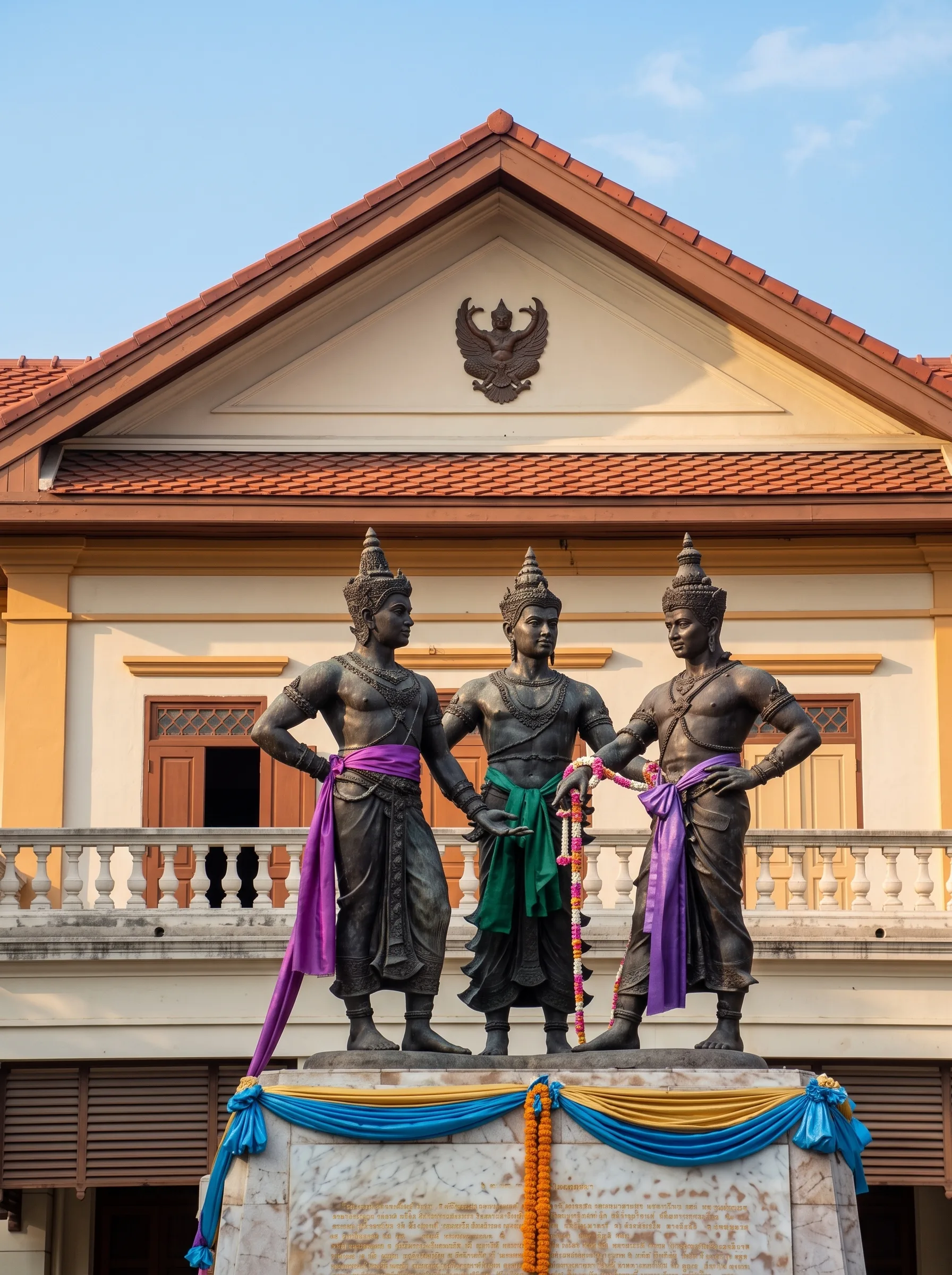
Chronicles recount that the founding of Chiang Mai — properly Nopburi Si Nakhon Ping Chiang Mai — came about when King Mangrai resolved to build a new capital for the Lanna kingdom, to replace Chiang Rai, the city he had founded earlier. He consulted his sworn brother-in-arms King Ngam Mueang, ruler of Phayao, and invited King Ram Khamhaeng the Great of Sukhothai to help choose an auspicious site for the new city. The three kings surveyed the plain along the Ping River near the foot of Doi Suthep and judged it ideal, since the Ping River flowed past it and Doi Suthep formed a natural rampart. They founded the new city there in 1296 CE (B.E. 1839), naming it Nopburi Si Nakhon Ping Chiang Mai — commonly shortened to "Chiang Mai," from chiang ("city") and mai ("new"), distinguishing it from Chiang Rai, the older city. From that time Chiang Mai served as the capital of the Lanna kingdom and as its center of government, economy, and culture.
The Legend of Chiang Mai's Founding
King Mangrai spent a long time choosing the site for his new city, weighing the terrain: the Ping River flowing to the east, Doi Suthep standing as a natural rampart to the west. Judging it an excellent location, he invited King Ngam Mueang and King Ram Khamhaeng the Great to join him in the assessment. All three agreed the site was well suited to be a new capital, and King Mangrai ordered the founding ceremony held on 12 April 1296 CE (B.E. 1839), bestowing the name Nopburi Si Nakhon Ping Chiang Mai.
(Image: the Three Kings Monument — King Mangrai, King Ngam Mueang, and King Ram Khamhaeng the Great, who together founded Chiang Mai)
The Water System
Chiang Mai lies on the floodplain of the Ping River, with several tributary streams running through it — a key factor in the choice of the city's site. The historic water system of Chiang Mai comprised the city moat, the city walls, and the various tributary streams flowing through or near the city:
Huai Kaew is a stream flowing down from Doi Suthep through the western part of the city, and has long served as an important source of water for the daily life of Chiang Mai's people.
Mae Kha River, a tributary flowing through the eastern part of the city, was once an important route for the transport of goods. Today the Mae Kha's waters have deteriorated considerably owing to urban expansion.
(Note: the names of other ponds and irrigation channels within the city, mentioned further in the original at this point, were only partly legible from the source image.)
City Gates, Walls, and Moat
When first built, Chiang Mai was rectangular in plan, ringed by a double moat-and-wall system: an inner brick wall and an outer earthen rampart, built both to repel invaders and to hold back floodwater. Gates were set around the city's perimeter.
The principal gates of Chiang Mai are Tha Phae Gate, Chang Phueak (White Elephant) Gate, Suan Dok Gate, Suan Prung Gate, and Chiang Mai Gate (also called Hai Ya Gate) — each carrying its own historical significance and place in the beliefs of the city's people through the generations.
The inner brick wall forms a square around the city, with a bastion at each of the four corners: Hua Wiang Fort (northwest corner, at Jaeng Hua Lin), Si Phum Fort (northeast corner), Kampaeng Din Fort (southeast corner), and Maha Kan Fort (southwest corner, at Jaeng Ku Hueang).
(Four images: the Chiang Mai reservoir; Doi Suthep, site of the city; the present-day line of the city gates; the present-day line of the city walls)
The ancient city plan also preserved several other names for parts of the city: Mun Mueang (the earth used to build the city gates), Monthop Ging Mueang (an important site within the city), and Kalak Nam Mueang (part of the city's drainage system — because the source image was unclear at this point, the fuller explanation of all three terms was only partly legible).
Following ancient Lanna concepts, the city plan was also divided into Hua Wiang ("head of the city," the northern quarter), Jai Mueang (the city's center, near the royal residence hall/City Pillar), and Thai Wiang ("tail of the city," the southern quarter) — a layout dating back to the city's founding. The four corners of the wall were called Jaeng Mueang: Jaeng Hua Lin, Jaeng Si Phum, Jaeng Ku Hueang, and Jaeng Katen (Jaeng Khatam) — believed in ancient Lanna belief to be sacred points.
The City Pillar (Sao Inthakin)
The Sao Inthakin (City Pillar) stands at Wat Chedi Luang on Pha Kong Road, Si Phum Sub-district, Mueang District, Chiang Mai — a monument of great historical and spiritual significance to the Lanna people. According to legend, the pillar originally stood at Wat Sadue Mueang (Wat Inthakin), at the city's exact center; King Kawila later had it moved to Wat Chedi Luang in 1800 CE (B.E. 2343) to bring prosperity to the city. Every year the pillar is honored in the "Sai Khan Dok Khao Inthakin" ceremony, held between May and June, for the good fortune of the city and its people.
Hang Wiang, Tin Wiang, or La Wiang — the final quarter of a city was called Tin Wiang or Hang Wiang; the chronicles of Chiang Tung and the Ahom people call it Lang Mueang ("last quarter"). It typically lay opposite the Hua Mueang ("head of the city," the seat of power) and, following the taksa mueang (the eight-point astrological scheme for laying out a city), sat in the position deemed inauspicious for the city. In Chiang Mai this was the site of Saen Phung Gate, today's Suan Prung Gate, the gate through which the dead were carried out to the cemetery — the "spirit gate." Many northern Thai cities share this belief in a spirit gate at the city's tail-quarter and inauspicious point, including Chiang Rai, Phrae, Sukhothai, Kamphaeng Phet, and Chiang Tung in Myanmar.
City Planning and the Taksa Mueang — the ancient Lanna practice of laying out which part of a city would be its head, navel, and tail was bound up with beliefs about auspicious siting, following the taksa mueang. In Chiang Mai's plan, the head of the city corresponded to Det Mueang ("power point"), where Hua Wiang Gate served as the entrance the ruler passed through on ceremonial occasions. The tail of the city sat at the point held to be the city's inauspicious quarter.
Settlement Patterns — once the city plan was fixed according to the taksa mueang, settlement followed accordingly: Wiang Kaew, the royal palace of Chiang Mai's kings, stood within the astrologically auspicious zone comprising Boriwan Mueang, Ayu Mueang, Det Mueang, and Si Mueang; it is today the site of the Chiang Mai Central Prison. Knowledge of Wiang Kaew has nearly been lost to time, though its name survives in Wiang Kaew Road, north of the present prison, and the term appears in other towns such as Chiang Khong, Chiang Saen (Chiang Rai Province), and Luang Prabang (Laos). Sadue Mueang ("the city's navel"), the city's central point, is marked by Wat Sadue Mueang (also called Wat Klang Wiang or Wat Inthakin). The Market — the first market of Chiang Mai stood within the city walls and was called Kad Chiang Mai; as the city grew, a market rose outside the eastern wall known as Talat Chiang Ek (today's Tha Phae Gate area), within the astrological zone called Mun Mueang, associated with prosperity. Sanam Luang, or Chuang Luang, an open public space at the city's center used for ceremonies, has today disappeared from nearly every Lanna city; over the past century its land has been given over to noble residences, schools, and government offices — only the Chuang Luang of Chiang Tung survives intact. When King Prajadhipok made his royal visit to Chiang Mai and passed along the road cut through the old Chuang Luang, that road was thereafter named Pha Kong Road, in his honor. Commoners' Houses and Temples were built within the astrological zones of Mun Mueang, Utsaha Mueang, and Montri Mueang.
Chiang Mai's square plan included six city gates: Hua Wiang Gate (Chang Phueak Gate), Chiang Ek Gate (today's Tha Phae Gate), Chiang Mai Gate, Saen Phung Gate (today called Suan Prung Gate), and Suan Dok Gate. The gates were closed at night and opened at dawn; just outside each gate stood a rest pavilion for travelers. Chiang Mai's traveler's pavilion stood at Hai Ya Gate and was known locally as Sala Daeng ("the Red Pavilion").
The outer wall, or earthen wall (Kampaeng Din), was a later addition: Chiang Mai's original square brick wall was later ringed by a second, outer wall, curving from Jaeng Ku Hueang around to meet Jaeng Si Phum in the shape of a crescent moon. Built of packed earth, it became known to residents as the "earthen wall." It had four gates: Rai Ya or Thai Ya Gate (today's Hai Ya Gate), leading out to the cemetery beyond the city; Chang Khom Gate, which passed through Wiang Rua Nang on the way to Wiang Kum Kam; Lai Kaeng (or Raeng Khong) Gate; and an enlarged Tha Phae Gate. The precise date of the earthen wall's construction remains uncertain; it is thought to date from the late Mangrai Dynasty, before the city fell to Burma in 1567 CE (B.E. 2110).
Ancient Cities Near the Foothills of Doi Suthep
Studies of local chronicles and aerial photography have identified several ancient cities that once stood around Chiang Mai in the floodplain near Doi Suthep: Wiang Nopburi (Wiang Suan Dok Mai), Wiang Chet Lin, Wiang Rua Nang, and Chiang Chom. Traces of each still survive today — sections of wall, stupas, and Buddha images.
Wiang Suan Dok, about 1 kilometer west of Chiang Mai, was centered on Wat Suan Dok; sections of its wall and moat survive today within the grounds of the Faculty of Dentistry, Chiang Mai University. Its plan is rectangular. The Suwannakhamdaeng Chronicle relates that it was originally built by the Lawa people when Wiang Nopburi grew too crowded. Later, King Kue Na, the sixth king of Chiang Mai (r. 1356–1385 CE / B.E. 1899–1928), invited the monk Phra Sumana Thera from Sukhothai in 1370 CE (B.E. 1913) and founded Wat Suan Dok within his own royal garden for him. Wiang Suan Dok later served repeatedly as a military encampment, including during the reign of Queen Chiraprapha and again when the Burmese army besieged Chiang Mai in 1766 CE (B.E. 2309).
Wiang Chet Lin, on Doi Chet Lin (also called Doi Lua), is today crossed by Huai Kaew Road. Chronicles describe it, like Wiang Suan Dok, as a Lawa settlement, laid out in a circular plan similar to that of Chiang Tung. Regrettably, parts of the Wiang Chet Lin wall have already been destroyed through neglect of its historical value.
Wiang Rua Nang lies north of Wiang Kum Kam. According to legend, King Mangrai planted a Bodhi tree at this site while residing at Wiang Kum Kam, and later came to stay there; local people and royal attendants erected a net-fence (nang) to protect him, giving the place its name — "the city of the net fence." When King Mangrai founded Chiang Mai in 1306 CE (B.E. 1849), he devised a defense plan linking Wiang Kum Kam, Wiang Rua Nang, and Chiang Mai together, showing that Wiang Rua Nang was already an important southern settlement guarding against invasion. The Nirat Haripunchai poem (composed around 1517 CE / B.E. 2060) mentions a temple at Wiang Rua Nang standing outside Chiang Mai Gate to the southeast, near Wat Patikham (today's Wat Tat Kham). Wiang Rua Nang fell into ruin along with Chiang Mai during the period of Burmese rule (B.E. 2118–2339 / 1575–1796 CE). King Kawila later restored Chiang Mai and resettled Tai Khoen people from Chiang Tung at this site once more. A large bronze Buddha image known as "Phra Chao Saen Sae" was discovered here; its head is today displayed at the Chiang Mai National Museum.
Chiang Chom stood outside Chiang Mai's northern wall, about 2 kilometers from Chang Phueak Gate (near today's Chiang Mai Rajabhat University). Legend tells that King Mangrai camped here for three nights before founding the city, and on the third night dreamed of a beautiful woman — hence the name "Chiang Chom" ("beautiful-face city"). The Wat Chiang Chom inscription (SW/9, dated 1470 CE / B.E. 2013, from the reign of King Yot Chiang Rai) is an important record referring to this settlement. Wat Chiang Chom is now abandoned, with only a ruined stupa remaining, known locally as "Chedi Plong." It takes the form of a multi-tiered round reliquary tower in the Chinese pagoda style (chedi tha) — a form found in only two other Chiang Mai temples, Wat Tapotharam (Ram Poeng) and Wat Phuak Hong.
It can thus be said that the area around Chiang Mai was once home to a number of ancient settlements and communities. Much of their form has since changed due to land use within their bounds, particularly at Wiang Chet Lin and Wiang Suan Dok. The people of Chiang Mai would do well to study and seek ways to preserve these sites as a lasting cultural heritage for the community.
(Transcription note: the "Ancient Cities Near the Foothills of Doi Suthep" section of the original is written in archaic Lanna/Kham Mueang chronicle language mixed with central Thai, containing many specialized terms difficult to transcribe with full certainty even from a 350-DPI scan. The paragraphs above are a readable summary of the legendary content, not a literal word-for-word rendering of the original archaic Lanna text.)
Sequence of Historical Development
Chiang Mai's historical development falls into three periods: the Mangrai Dynasty period, 1261–1558 CE (B.E. 1804–2101); the Burmese-ruled period, 1558–1774 CE (B.E. 2101–2317); and the Tributary State period, 1774–1899 CE (B.E. 2317–2442). During the Mangrai Dynasty period, Chiang Mai was established as the capital of the Lanna kingdom, ruled by kings who divided the surrounding territory into vassal towns. The economy rested on agriculture, supported by a muang-fai (weir-and-channel) irrigation system, and the culture blended traditional spirit-belief (phi) with Buddhism — a fusion that helped forge the stability and distinct identity Chiang Mai retains to this day.
The Mangrai Dynasty Period (B.E. 1804–2101 / 1261–1558 CE)
Having founded Chiang Mai, King Mangrai ruled and resided there for the rest of his life. He was a capable monarch who compiled the body of law known as the Mangraisat, used to govern the kingdom. Following his death around 1311 CE (B.E. 1854), Chiang Mai was ruled by an unbroken line of kings for more than 800 years, as follows:
The Mangrai Dynasty, or House of Lawajangkarat
1. King Mangrai — B.E. 1801–1854 (1258–1311 CE) 2. King Chai Songkhram — B.E. 1854–1857 3. King Saen Phu — B.E. 1857–1877 4. King Kham Fu — B.E. 1877–1879 5. King Pha Yu — B.E. 1879–1898 6. King Kue Na — B.E. 1898–1928 7. King Saen Mueang Ma — B.E. 1931–1944 8. King Sam Fang Kaen — B.E. 1944–1974 9. King Tilokarat — B.E. 1984–2030 10. King Yot Chiang Rai — B.E. 2030–2038 11. Phra Mueang Kaeo — B.E. 2038–2068 12. Phra Mueang Kesklao (first reign) — B.E. 2068–2081 13. Chao Sai Kham — B.E. 2081–2086 14. Phra Mueang Kesklao (second reign) — B.E. 2086–2088 15. Queen Chiraprapha Mahathewi — B.E. 2088–2089 (made peace with Ayutthaya) 16. Phra Chai Chettha Thirat (from Lan Xang) — B.E. 2089–2091 (throne vacant) 17. Phra Chao Mekuti / Queen Wisutthithewi — B.E. 2094–2101, B.E. 2107–2121
(Note: some entries could not be read with full certainty from the source even at 350 DPI, notably entry 7 [start year reads 1931, inconsistent with entry 6's end year of 1928] and entry 17 [two overlapping reign periods, as they appear in the original]. Source: a duplicated teaching document for a local-history course.)
Among the Mangrai-dynasty kings, several are noted for achievements of lasting consequence to the city, its governance, its religious life, and its foreign relations, summarized below.
King Mangrai (B.E. 1804–1854) laid the foundations of Lanna's prosperity in several respects. In territorial expansion, he built the Lanna kingdom by uniting the Yonok and Ping regions, then extended it to include Chiang Rai, Lamphun, and Lampang as core Lanna territory, sending relatives to rule vassal cities such as Mueang Nai and Chiang Tung. In governance, Chiang Mai served as the kingdom's center, with royal kinsmen appointed to rule vassal towns. In law, he governed by the Mangraisat code, which drew heavily on Mon Haripunchai law. In support of Buddhism, influenced by the faith of Haripunchai, he had the Ku Kham stupa built in imitation of the Ku Kut stupa at Lamphun, and founded Wat Kan Thom (Chang Kham). In relations with neighboring kingdoms, he was a sworn brother-in-arms to King Ram Khamhaeng and King Ngam Mueang, an alliance forged to resist the Mongols, then expanding their power in the region (the Mongols had conquered Nanzhao in 1273 CE / B.E. 1816, and Pagan in 1287 CE / B.E. 1830). King Mangrai waged campaigns and aided allies on several occasions; hostilities between Chiang Mai and the Mongols ended in the reign of King Pha Yu, around 1347 CE (B.E. 1890).
King Kue Na (B.E. 1898–1928) invited the monk Phra Sumana Thera from Sukhothai, establishing the Lankavamsa school of Buddhism in Chiang Mai.
King Sam Fang Kaen (B.E. 1944–1978) sent 25 monks from Chiang Mai to study Pali and Lankavamsa Buddhism; on their return they established three monastic orders in Chiang Mai — the native order, the Mon order, and the Sinhalese order.
King Tilokarat (B.E. 1984–2030) brought prosperity to every part of the kingdom, particularly in politics and religion. Politically, Chiang Mai's position grew highly secure, extending its territory as far as Phrae and Nan. Religiously, this was Buddhism's most flourishing period; the king, deeply devout, convened the eighth world council for the recension of the Pali Canon at Wat Chet Yot in 1477 CE (B.E. 2020).
(Image: Wat Chet Yot, site of the eighth world council for the recension of the Pali Canon, held in 1477 CE / B.E. 2020, during the reign of King Tilokarat)
Phra Mueang Kaeo (B.E. 2038–2068) presided over a golden age of Lanna literature. Monks became highly learned in Pali, the language of the Buddhist canon, producing major works such as the Mangalatthadipani and Vessantaradipani by Phra Sirimangalacharya, and the Chamathewiwong by Phra Bodhiramsi.
After Phra Mueang Kaeo's death, Chiang Mai's power began to wane. The nobility invited Phra Chai Chettha Thirat from Lan Xang, grandson of Phra Mueang Kesklao, to rule (B.E. 2089–2091), but he later returned to rule Lan Xang after his father's death, leaving Chiang Mai's throne vacant. The nobility then invited Chao Mekuti of Mueang Nai to rule (B.E. 2094–2101), but the kingdom grew unstable as the nobles contended for power among themselves, plunging Chiang Mai into decline. In 1558 CE (B.E. 2101), the Mangrai Dynasty came to its end.
The Burmese-Ruled Period
Under Burmese rule, from B.E. 2101 to B.E. 2317, Burma appointed ten successive governors of Chiang Mai:
1. Chao Fa Sarawadi (Mangchanaratha Mangkhui) — B.E. 2122–2150 2. Mong Chai Thao (younger brother) — B.E. 2150–2153 3. Mong Kuai To (son of Sarawadi) — B.E. 2153–2157 4. Anucha Mong Kuai To — B.E. 2157–2178 5. Si Song Mueang (Nan dynasty) — B.E. 2178–2295 (defied Burmese authority and was seized by King Sutho and taken to Ava) 6. Phaya Luang Thippayanet — B.E. 2278–2199 7. Phra Saen Mueang — B.E. 2193–2206 (Chiang Mai fell to Chao Phraya Kosa "Lek") 8. Phra Chao Mueang Phrae — B.E. 2206–2260 9. Ueng Chae (son of the King of Ava) — B.E. 2264–2270 10. Mang Raen Ra (son of Ueng Chae) — B.E. 2270–2300
(Note: some B.E. years in this list carry uncertainty in the source reading, particularly entries 5–7.)
Throughout this period Chiang Mai was obliged to send annual tribute to Burma — silver trees, gold trees — and to furnish troops to support Burmese campaigns against other kingdoms, as tokens of submission. The city's ruler had to travel to pay homage to the Burmese king each year, and Burma stationed its own generals in the city to oversee its administration. In 1564 CE (B.E. 2107), King Bayinnaung installed Phra Nang Rachathewi to rule in the ruler's place; from that time Chiang Mai remained under Burmese control for more than 200 years, despite the people's repeated attempts to resist.
Burmese efforts to curb the power of local nobles and their military forces in Chiang Mai bred constant friction, until in 1771 CE (B.E. 2314) the city's nobles, led by Phraya Chaban and Phraya Kawila, appealed for aid to Thonburi. King Taksin marched to Chiang Mai's assistance and, joining forces with the city, succeeded in driving out the Burmese. In 1774 CE (B.E. 2317), Chiang Mai was freed entirely from Burmese rule.
The Tributary State Period
After Chiang Mai's liberation from Burma in 1774 CE (B.E. 2317), King Taksin appointed Phraya Chaban to rule the city, bestowing on him the title Phraya Wachiraprakan.
Following Phraya Wachiraprakan's death, late in King Taksin's reign, the Rattanakosin era began, and King Phutthayotfa Chulalok, first king of the Chakri Dynasty, appointed Phraya Kawila to rule Chiang Mai. The city's rulers thereafter succeeded one another as follows:
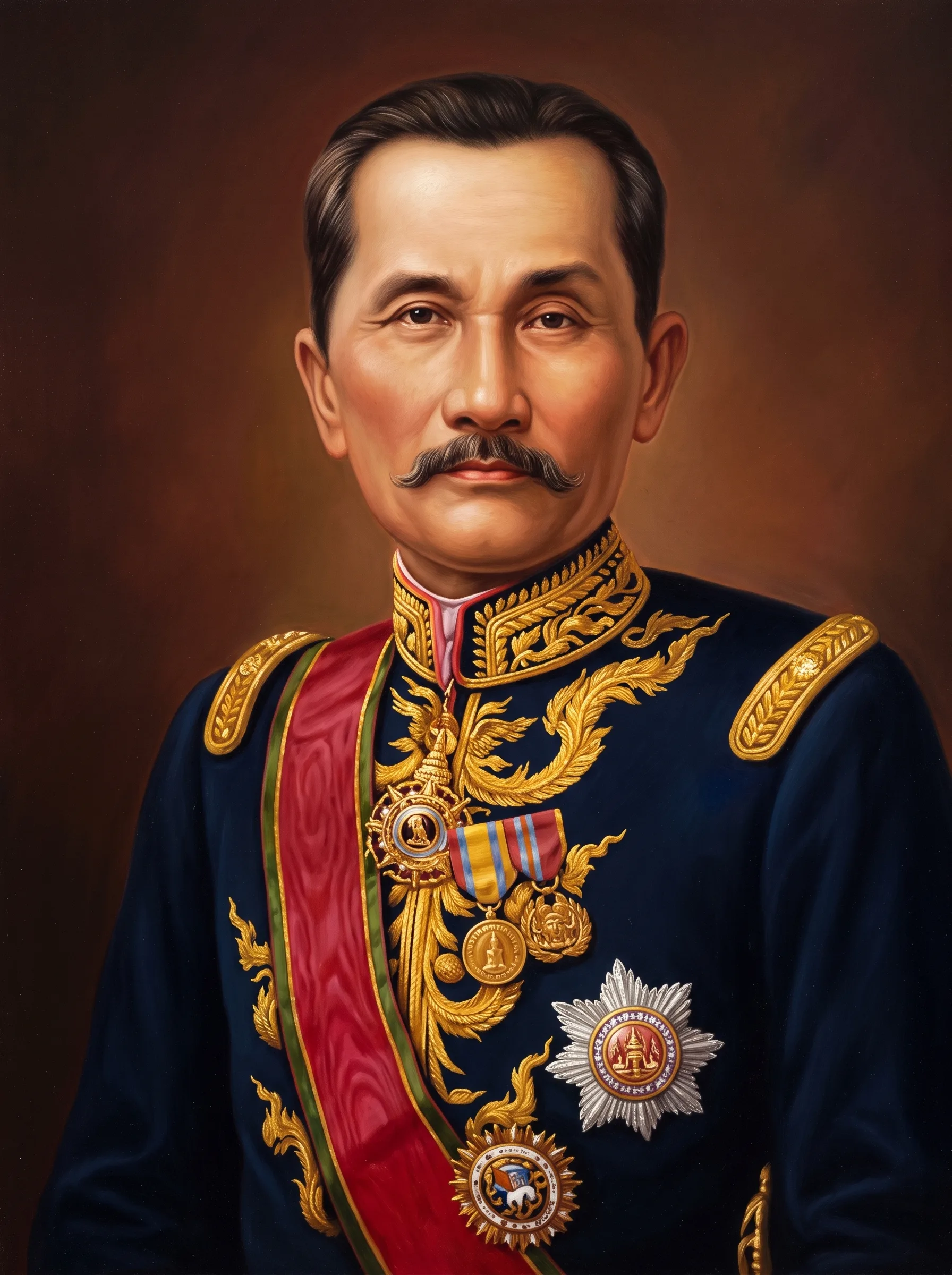
(Image: King Kawila, B.E. 2325–2356)
Chao Luang Thammalangka — B.E. 2356 (confirmed by Bangkok in 2358) – 2364 Chao Luang Kham Fan — B.E. 2364 (2366) – 2368 Chao Phraya Phutthawong — B.E. 2368 (2369) – 2389 Phra Chao Mahotara Prathet — B.E. 2387 (2390) – 2397 Phra Chao Kawiloros Suriyawong — B.E. 2397 (2399) – 2413 Phra Chao Inthawichayanon — B.E. 2413 (2416) – 2439 Chao Inthawarorot Suriyawong — B.E. 2440 (2444) – 2452 Chao Kaeo Nawarat — B.E. 2452 (2454) – 2482
*Year confirmed by appointment from the monarch in Bangkok.
(Note: the bracketed B.E. years [Bangkok-confirmation dates] and some end years appear as small print in the original image; even at 350 DPI there remains some small risk of a one-digit error in the last digit or tens digit of a few entries. This list should be treated as a highly reliable but not 100%-verified reference for every digit.)
During the reign of King Chulalongkorn (Rama V), the administration of the tributary states was reformed into the thesaphiban (regional-governorate) system (B.E. 2437–2476), and under King Prajadhipok's reign this was further reorganized into the modern provincial system — giving Chiang Mai the status of a province that it retains to this day.
Terra Lanna Travel was founded out of a love for Lanna history and culture. We believe the stories of the northern land — its legends, traditions, temples, and the way of life of those who came before us — are a precious heritage worth recording, preserving, and passing on to future generations. That is why the core content of this website is centered on travel, history, and culture articles about Lanna.
Hotels & Tours: A Supporting Role
The hotel accommodations and tour programs featured on this site are a supplementary source of income, used to develop and maintain the website so it can continue in the long run — they are not our primary purpose.
Our Role
Our main role is to tell stories and share knowledge about Lanna history, so this cultural heritage can be preserved, protected, and passed on to future generations. We also translate our content into multiple languages so that international readers with an interest in Lanna culture can access and learn these stories too.
About Our Images
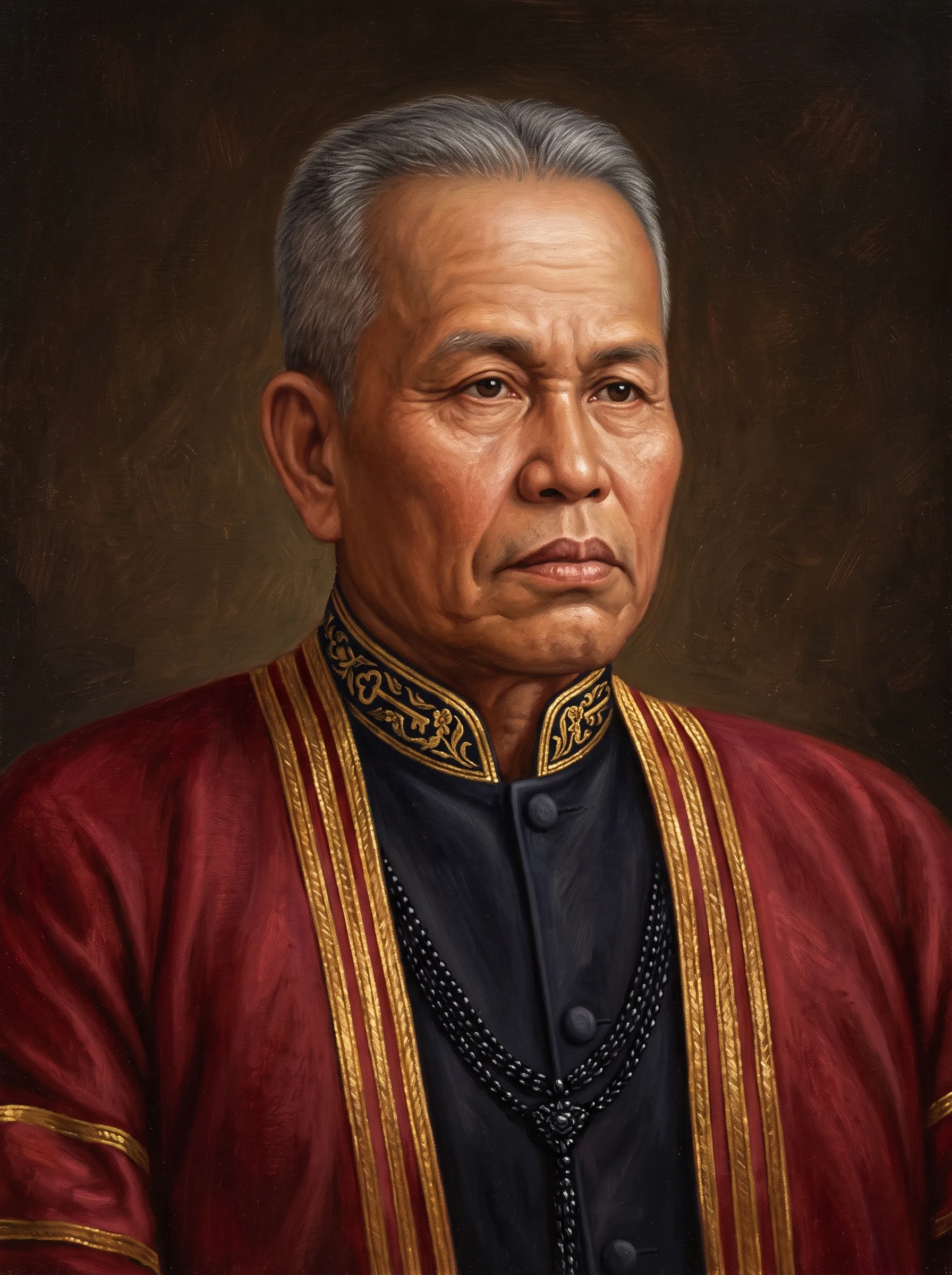
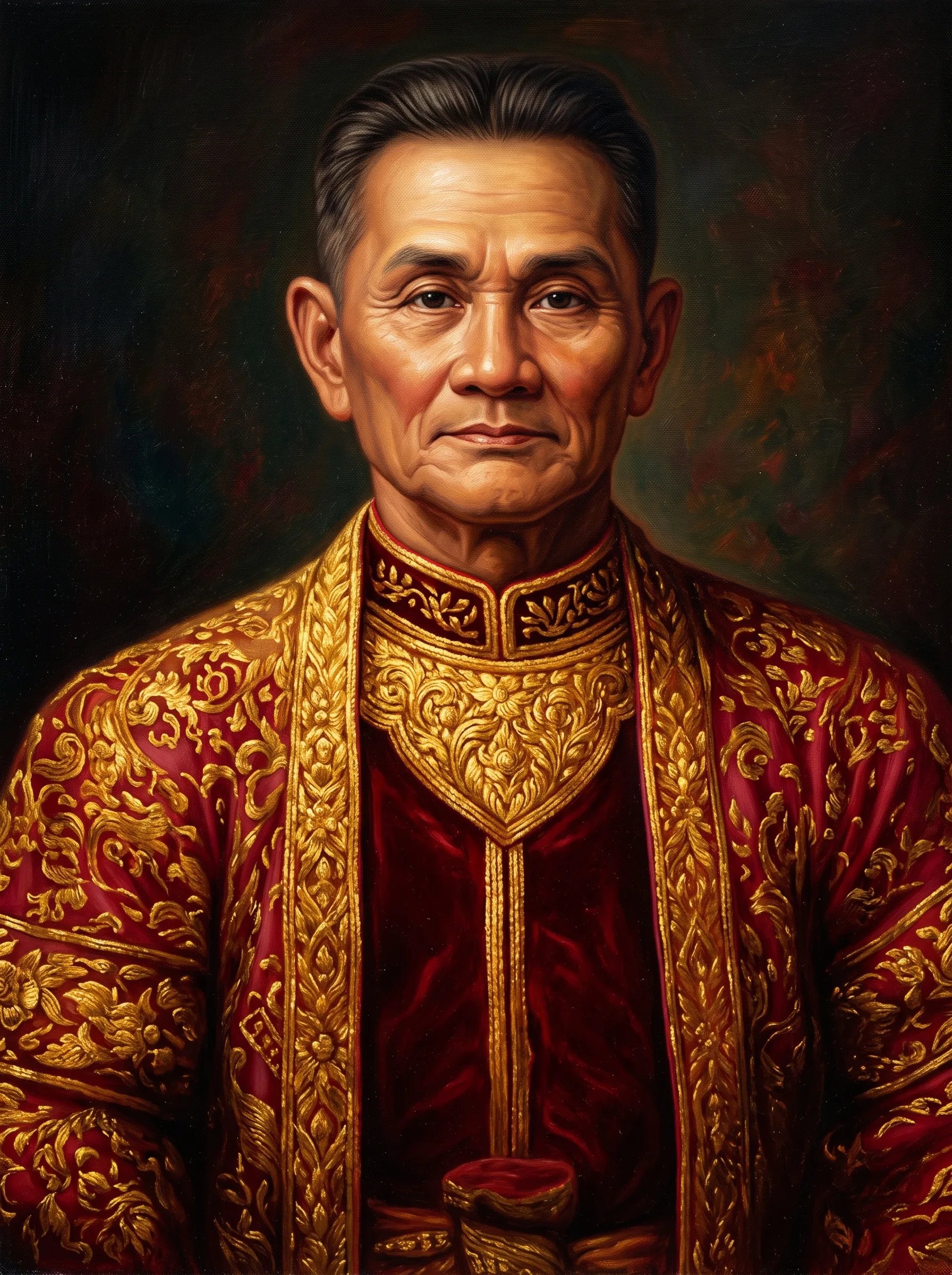
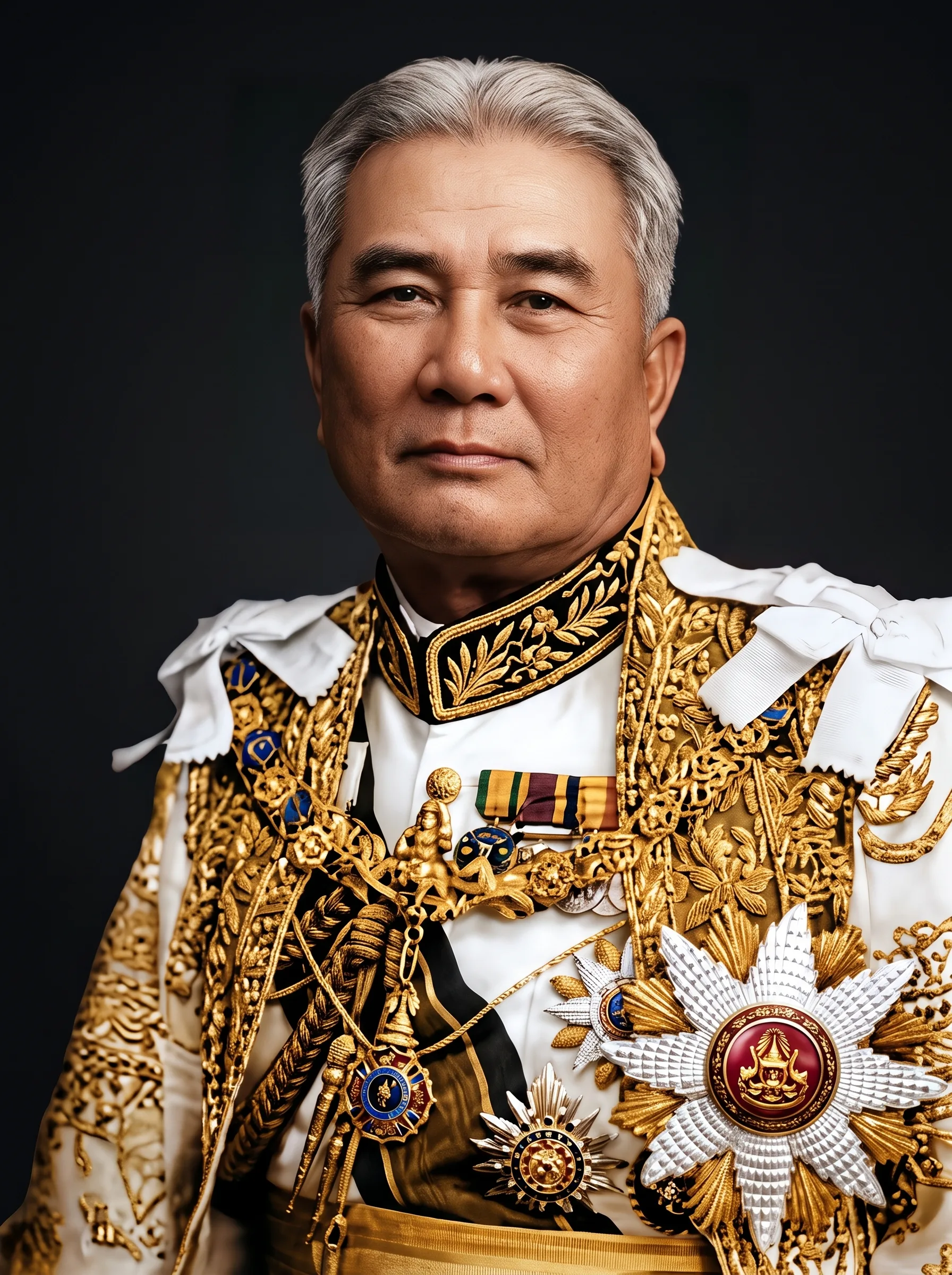
The images on this website include both genuine photographs and images restored using AI technology from old black-and-white photographs, so readers can see the atmosphere of those eras more clearly and vividly.
Privacy Policy / นโยบายความเป็นส่วนตัว
Last updated: 26 April 2026 | อัปเดตล่าสุด: 26 เมษายน 2569
This site contains affiliate links to Agoda, Viator, and Trip.com. When you click these links and make a booking, we may earn a commission at no extra cost to you. Hotel prices (Agoda) and tour prices (Viator) shown on this site are live prices pulled directly from our partners; Trip.com prices require clicking through to the partner's own site. Affiliate cookies are only set when you click these links directly.
คุกกี้สถิติและการวิเคราะห์ (Analytics Cookies): วิเคราะห์แนวโน้มการเข้าชมหน้าเว็บเพื่อปรับปรุงคุณภาพเนื้อหา ผ่าน Google Analytics (G-CSV1H77PY8)
We use cookies and similar technologies to enhance your browsing experience:
Preference Cookies: Remember your selected language and cookie banner consent status.
Analytics Cookies: Help us understand audience engagement and improve article quality via Google Analytics.
5. นโยบายโฆษณา Google AdSense / Google AdSense Advertising Disclosures
เว็บไซต์นี้ใช้บริการโฆษณาจาก Google AdSense เพื่อสนับสนุนการดำเนินงานและการผลิตเนื้อหาคุณภาพ เพื่อให้เป็นไปตามข้อกำหนดและนโยบายความเป็นส่วนตัวของ Google เราขอแจ้งให้ผู้ใช้ทราบดังนี้:
ผู้ให้บริการภายนอก ซึ่งรวมถึง Google ใช้คุกกี้ (รวมถึง DoubleClick cookie) เพื่อแสดงโฆษณาตามประวัติการเข้าชมเว็บไซต์นี้หรือเว็บไซต์อื่นๆ ในอินเทอร์เน็ตของผู้ใช้ในอดีต
การใช้คุกกี้เพื่อการโฆษณาช่วยให้ Google และพาร์ทเนอร์สามารถแสดงโฆษณาที่เกี่ยวข้องและตรงกับความสนใจของผู้ใช้ อิงตามประวัติการเข้าชมเว็บไซต์ของเราและ/หรือเว็บไซต์อื่นๆ ในเครือข่ายอินเทอร์เน็ต
ผู้ใช้มีสิทธิ์เลือกปิดการใช้งาน (Opt-out) โฆษณาที่ปรับแต่งตามโปรไฟล์ความสนใจส่วนบุคคลได้ทุกเวลา โดยเข้าไปที่ Google Ads Settings หรือเข้าไปที่เว็บไซต์ www.aboutads.info เพื่อปิดการใช้คุกกี้ของผู้ให้บริการภายนอกสำหรับการโฆษณาตามความสนใจ
This website partners with Google AdSense to display advertisements. In strict accordance with Google AdSense Publisher Policies, please be advised:
Third-party vendors, including Google, use cookies (including the DoubleClick cookie) to serve ads based on a user's prior visits to this website or other websites across the Internet.
Google's use of advertising cookies enables it and its partners to serve personalized ads to users based on their visits to our site and/or other sites on the Internet.
Users may opt out of personalized advertising at any time by visiting Google Ads Settings. Alternatively, users can opt out of a third-party vendor's use of cookies for personalized advertising by visiting www.aboutads.info.
Terra Lanna Travel Chiang Mai — เชียงใหม่, ประเทศไทย
Terms of Service / ข้อกำหนดการใช้งาน
Last updated: 25 September 2026 | อัปเดตล่าสุด: 25 กันยายน 2569
1. เกี่ยวกับบริการของเรา / About Our Service
Terra Lanna Travel Chiang Mai ("เรา", "Terra Lanna") ให้บริการเว็บไซต์ที่รวมหลายส่วนเข้าด้วยกัน ได้แก่ ที่พัก Nampiangdin Boutique Hotel ทัวร์ฟาร์มออร์แกนิกที่ลำพูน โปรแกรมทัวร์คัดสรร ไดเรกทอรีโรงแรมพร้อมราคาสดจากพาร์ทเนอร์ บล็อกเรื่องราวเชิงวัฒนธรรมล้านนา และ "ห้องสมุดล้านนา" ซึ่งเป็นคลังหนังสือประวัติศาสตร์/วัฒนธรรมล้านนาที่แปลและเรียบเรียงขึ้นใหม่ การใช้งานเว็บไซต์นี้ถือว่าคุณยอมรับข้อกำหนดฉบับนี้
Terra Lanna Travel Chiang Mai ("we", "Terra Lanna") operates a website combining several parts: Nampiangdin Boutique Hotel accommodation, organic farm tours in Lamphun, curated tour programs, a hotel directory with live partner pricing, a Lanna culture blog, and the "Lanna Library" (ห้องสมุดล้านนา) — a collection of translated and re-edited Lanna history and culture books. By using this website, you agree to these Terms.
2. เนื้อหาบล็อกและห้องสมุดล้านนา / Blog & Lanna Library Content
บทความบล็อกและหนังสือใน "ห้องสมุดล้านนา" เป็นผลงานที่เรียบเรียง แปล และดัดแปลงขึ้นโดย Terra Lanna จากแหล่งข้อมูลประวัติศาสตร์/วรรณกรรมล้านนาสาธารณะ โดยมีเจตนาเพื่อการสานต่อและอนุรักษ์วัฒนธรรมล้านนาให้เข้าถึงได้ในหลายภาษา เนื้อหาที่แปล/เรียบเรียงใหม่นี้เป็นลิขสิทธิ์ของ Terra Lanna ส่วนผลงานต้นฉบับยังคงเป็นของผู้ประพันธ์/สำนักพิมพ์เดิมตามที่ระบุไว้ในแต่ละเล่ม รูปภาพประกอบบางส่วนเป็นภาพถ่ายจริง และบางส่วนสร้าง/บูรณะขึ้นด้วยเทคโนโลยี AI จากภาพถ่ายเก่าขาวดำ (ดูรายละเอียดที่หน้า About Us) เนื้อหาทั้งหมดจัดทำขึ้นเพื่อวัตถุประสงค์ด้านการศึกษาและวัฒนธรรม ห้ามคัดลอกหรือนำไปเผยแพร่ซ้ำเพื่อการค้าโดยไม่ได้รับอนุญาตเป็นลายลักษณ์อักษร
Blog articles and books in the "Lanna Library" are compiled, translated, and adapted by Terra Lanna from public Lanna historical/literary sources, with the intent of continuing and preserving Lanna culture in multiple languages. This translated/re-edited content is copyrighted by Terra Lanna; original source works remain the property of their original authors/publishers as credited within each volume. Some accompanying images are genuine photographs, while others are AI-restored or AI-generated from old black-and-white photographs (see the About Us page for details). All content is produced for educational and cultural purposes. Copying or commercial redistribution without written permission is prohibited.
3. การจองผ่านลิงก์พาร์ทเนอร์ / Bookings via Partner Links
Hotel (Agoda) and tour (Viator) prices shown on this site are pulled live from our partners, but the actual booking is completed on the partner's own website and is governed by that partner's own terms and cancellation/refund policy — not Terra Lanna's. We act only as an affiliate referrer and are not a party to that booking contract, and are not responsible for service issues, cancellations, or disputes arising from the partner. (See Privacy Policy for affiliate commission details.)
You may not use this website to: violate Thai or applicable law, scrape or bulk-extract content without permission, or attempt unauthorized system access.
We provide information on this website "as is" and make reasonable efforts to keep it accurate and current, but do not guarantee that content, prices, or availability are correct, complete, or error-free at all times. To the maximum extent permitted by law, Terra Lanna is not liable for indirect, incidental damages, or loss of profit arising from use of this website or our partners' services.























 ภูมิปัญญาดินอินทรีย์ · 4 นาที